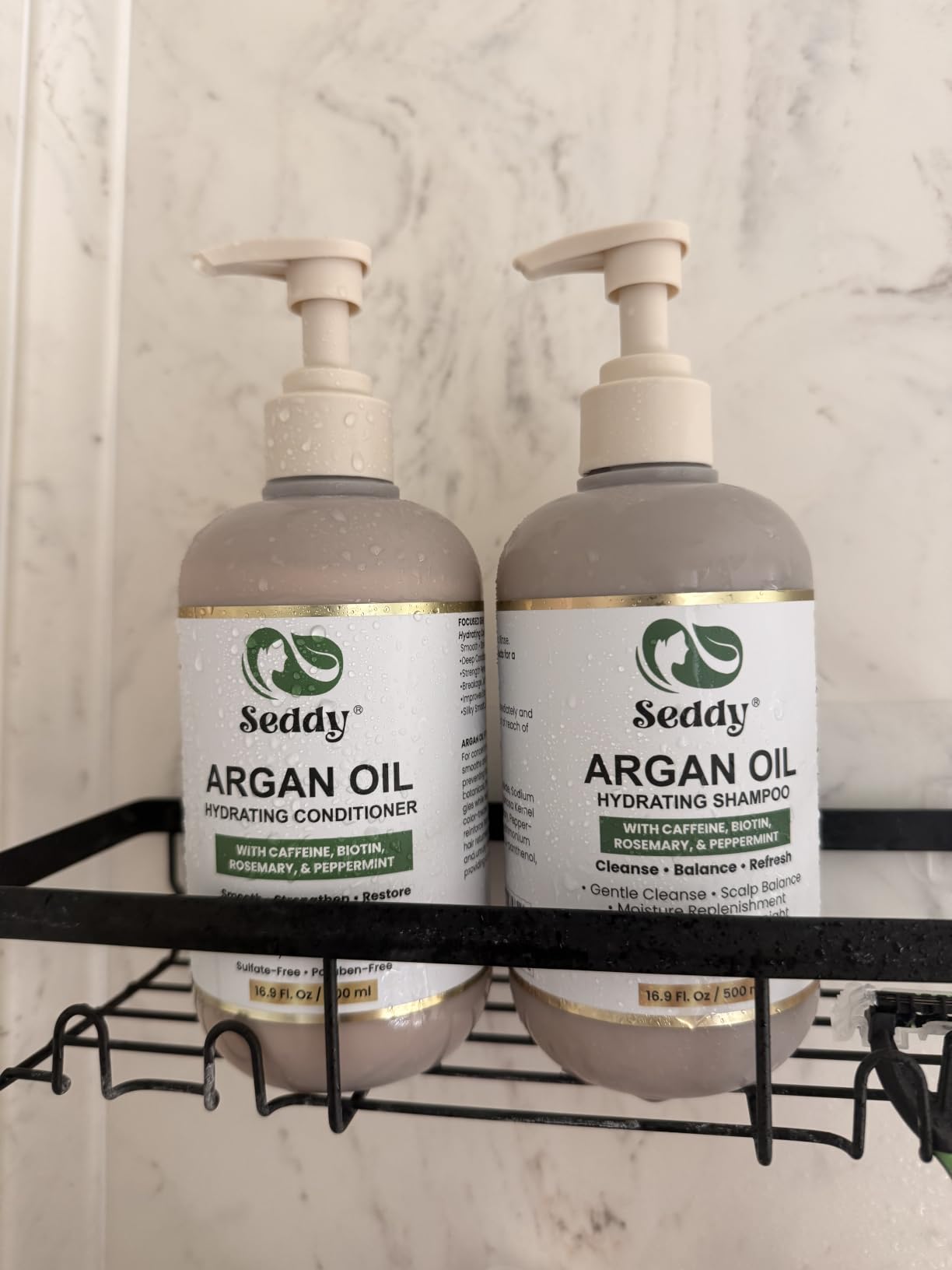


Rosemary Oil for Hair Growth: The Mistake Blocking Results

Rosemary Oil for Hair Growth: The Mistake Blocking Results
Rosemary oil can support hair growth by improving scalp circulation and helping follicles stay active longer. However, many people see little improvement because they apply it inconsistently, use incorrect dilution, or ignore scalp health. When used correctly for 12–16 weeks within a consistent routine, rosemary oil can support stronger, thicker-looking hair growth.
Who This Article Is For
This guide is designed for people who:
- Feel their hair growth has slowed or stalled
- Have thinning edges, widening parts, or increased shedding
- Tried rosemary oil but didn’t see results
- Want realistic, science-grounded expectations
- Prefer a routine-based approach instead of quick fixes
If follicles are still active, rosemary oil may help support growth — but results depend heavily on how it’s used.
How Rosemary Oil Supports Hair Growth
Rosemary oil doesn’t create hair growth on its own.
Instead, it improves the scalp conditions that allow follicles to function normally.
1. It Helps Improve Scalp Circulation
Healthy follicles require oxygen, nutrients, and blood flow.
When circulation is limited, follicles may shrink, produce thinner strands, or shift into resting phases sooner.
Rosemary oil is believed to stimulate microcirculation, which may help follicles stay metabolically active.
2. It May Help Extend the Growth Phase
Hair grows in repeating cycles:
- Anagen (growth phase)
- Catagen (transition phase)
- Telogen (resting phase)
Shortened growth phases are a major reason hair appears thinner over time.
Rosemary oil may help follicles remain in the growth phase longer, which improves density and length retention.
3. It Supports a Healthier Scalp Environment
Follicles perform best when the scalp is:
- balanced in moisture
- free from buildup
- minimally inflamed
- receiving consistent stimulation
Rosemary oil contains compounds that may help reduce scalp irritation and support a healthier follicle environment.
Learn More: Scalp Care 101: How to Soothe Itching, Dandruff, and Promote Growth
The Biggest Mistake People Make With Rosemary Oil
The most common issue isn’t the oil itself.
It’s inconsistency combined with unrealistic expectations.
Hair biology operates slowly.
Cosmetic timelines don’t apply to follicle cycles.
Mistake #1 — Using It Inconsistently
Many people:
- apply it for a week or two
- stop for several weeks
- restart later
- expect visible change quickly
But follicles respond to repeated stimulation over time, not occasional use.
Realistic timeline
|
Timeframe |
What actually happens |
|
Weeks 1–4 |
scalp comfort may improve |
|
Weeks 4–8 |
shedding may reduce |
|
Weeks 8–12 |
density or baby hairs may appear |
|
Weeks 12–16 |
visible growth becomes more likely |
Stopping and restarting resets progress.
Mistake #2 — Incorrect Dilution or Application
Undiluted essential oils can irritate the scalp.
Irritation can trigger inflammation, which actually slows follicle activity.

General dilution guideline
2–3 drops rosemary oil
per tablespoon of carrier oil.
Carrier oils often used include:
- jojoba
- castor
- argan
- blended botanical oils
Correct dilution supports the scalp rather than stressing it.
Mistake #3 — Ignoring the Scalp’s Condition
Hair growth depends more on the scalp than the strands.
If the scalp is:
- dry or tight
- inflamed
- clogged with buildup
- under tension from styling
Then oil alone won’t create visible growth.
Growth depends on improving the entire follicle environment, not just applying oil.
Rosemary Oil vs Other Hair Growth Approaches
Rosemary Oil vs Minoxidil
|
Factor |
Rosemary Oil |
Minoxidil |
|
Mechanism |
circulation + scalp support |
direct follicle stimulation |
|
Speed |
gradual |
often faster initially |
|
Maintenance |
routine-based |
must be continued indefinitely |
|
Irritation risk |
low if diluted |
moderate for some users |
Rosemary oil may be preferred by those seeking a routine-based, long-term approach.
Rosemary Oil vs Castor Oil
|
Factor |
Rosemary |
Castor |
|
Primary role |
follicle stimulation |
moisture + strand strength |
|
Texture |
lightweight |
thick |
|
Best use |
scalp stimulation |
sealing moisture |
They often work best together rather than as substitutes.
Learn more: Castor Oil for Hair Growth: The Secret to Stronger, Healthier Hair
When Rosemary Oil May Not Work
To build trust, it’s important to be clear:
Rosemary oil cannot revive follicles that are permanently inactive.
It may not produce visible regrowth when:
- hair loss is due to medical conditions
- follicles are scarred
- long-term traction damage destroyed roots
- hormonal causes remain untreated
In these cases, rosemary oil may still improve scalp comfort but won’t fully restore density.
How to Use Rosemary Oil Correctly
Step 1 — Apply directly to the scalp
Part the hair and apply to exposed scalp, not just the hair surface.
Step 2 — Massage for 2–3 minutes
Massage supports circulation and improves distribution.
Step 3 — Use consistently
3–4 times per week is usually sufficient.
Step 4 — Protect hair between uses
Growth improvements won’t show if breakage continues.
Learn more: Why Black Hair Breaks Moisture Retention vs. Hair Growth
How a Growth Routine Helps Support Results
Once educational value is established, it’s useful to note:
Hair growth tends to improve when stimulation, moisture balance, and consistency happen together.
Blended scalp oils that combine ingredients such as rosemary, caffeine, peppermint, and nourishing carrier oils can simplify routines and help maintain consistency — which is often the biggest factor influencing results.
The goal isn’t using more products; it’s creating a routine people can sustain long enough for follicles to respond.
Learn more: Caffeine Hair Growth Oil: Does It Actually Help Hair Grow?

Frequently asked questions
1. How long does rosemary oil take to work?
Most people need 12–16 weeks of consistent use before noticeable growth appears.
2. Can rosemary oil regrow thinning edges?
It may support regrowth if follicles are still active and tension damage stops.
3. Can I use rosemary oil daily?
Yes, but 3–4 times weekly is usually enough for stimulation without buildup.
4. Should rosemary oil be washed out?
It can be left on for several hours or overnight before washing.
5. Does rosemary oil thicken hair?
It may improve density appearance by reducing shedding and supporting stronger strands.
6. Is rosemary oil safe for all hair types?
Yes, when diluted properly.
7. Can rosemary oil cause shedding first?
Some people notice temporary shedding as follicles cycle into new growth phases.
8. What carrier oil works best with rosemary?
Jojoba, castor, and argan oils are commonly used.
9. Is rosemary oil better than caffeine oil?
They support growth differently and often work best together.
10. What’s the biggest mistake people make?
Using it inconsistently or expecting rapid results.
Rosemary oil can support healthier hair growth, but only when used consistently and as part of a broader scalp-care routine. The biggest mistake isn’t choosing the wrong oil — it’s expecting fast results while applying it irregularly or ignoring scalp health.
When used correctly over time, rosemary oil doesn’t just improve growth — it improves the foundation that growth depends on.