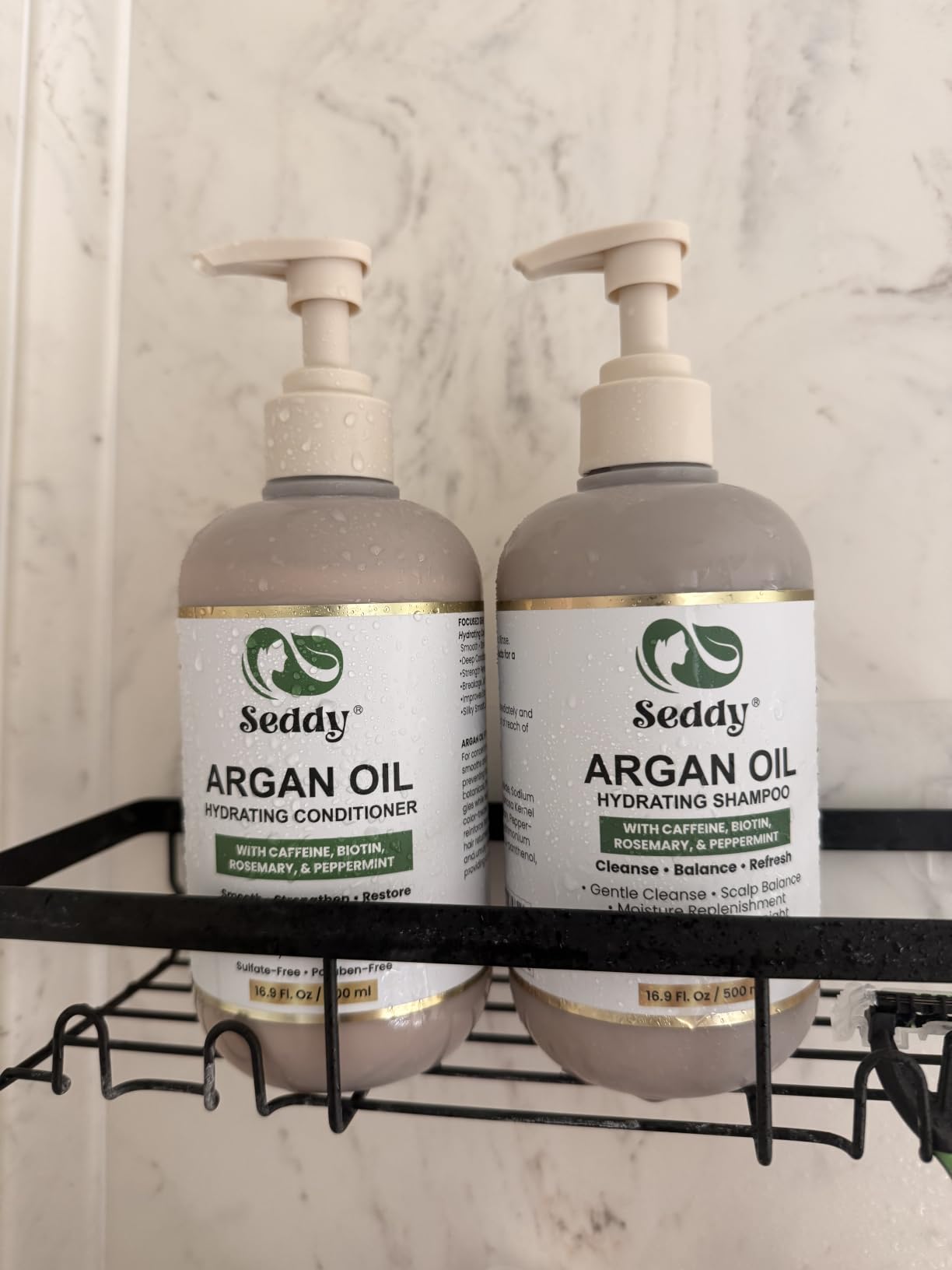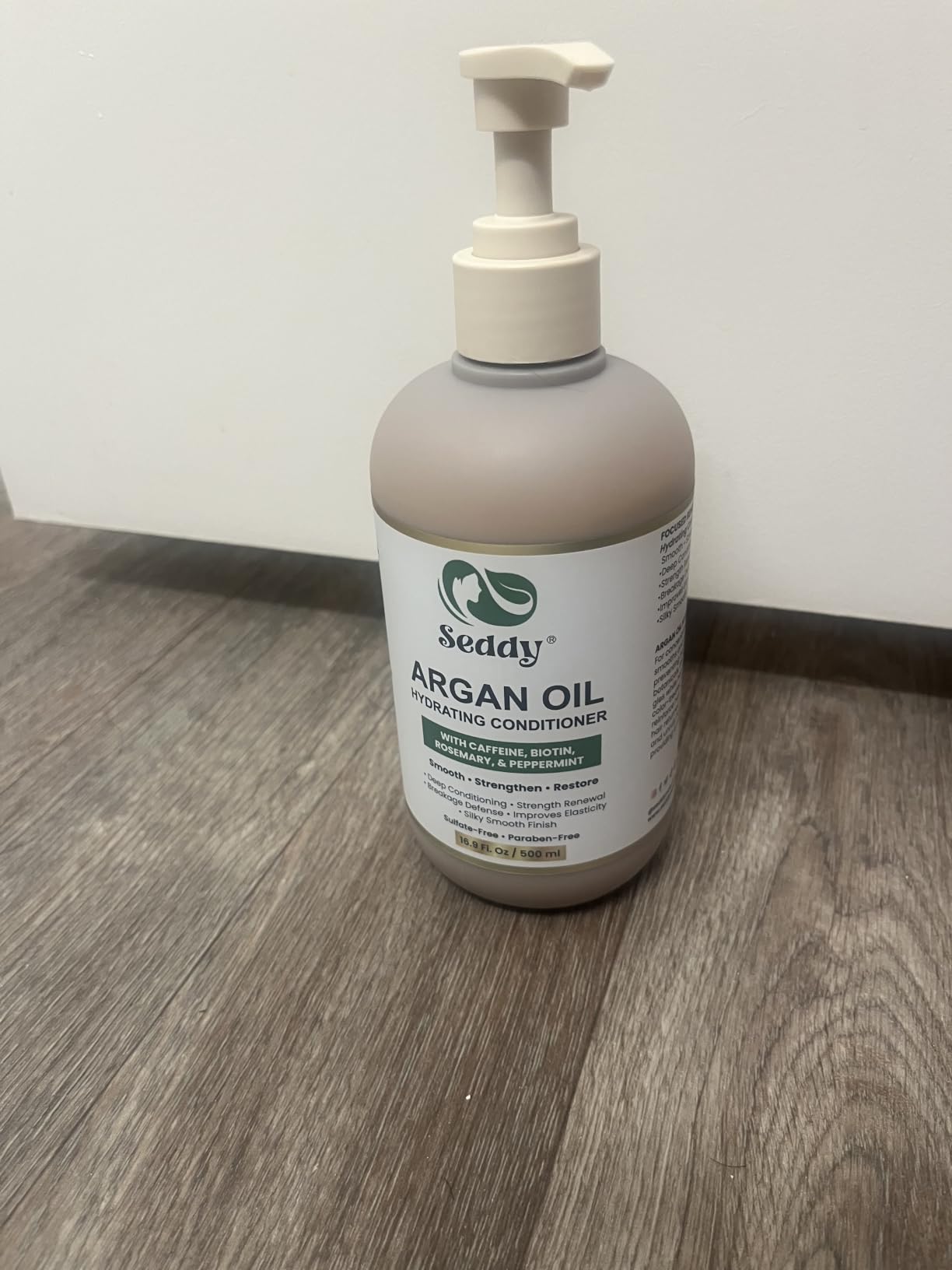


Can Caffeinated Hair Products Speed Hair Growth? We Asked Experts

Caffeinated Hair Products: Do They Really Boost Growth? (Science-Backed Guide)
Yes — scientific studies confirm that caffeine can speed hair growth. Research shows it stimulates follicles, increases cellular energy, extends the growth phase, and counteracts DHT. Consistent topical application has demonstrated faster growth and reduced shedding in both lab studies and clinical trials.
Can Caffeinated Hair Products Speed Hair Growth? Here’s What the Science Says
Caffeinated hair products have surged in popularity, but unlike many beauty trends, caffeine is supported by strong, peer-reviewed evidence. Over the past decade, scientists have conducted multiple laboratory, clinical, and dermatological studies showing caffeine’s ability to stimulate hair follicles, improve hair shaft elongation, reduce shedding, and even counteract hormone-related thinning. Unlike ingredients that rely on anecdotal claims, caffeine has been extensively measured under controlled scientific conditions — and the results are surprisingly impressive.
This guide breaks down exactly how caffeine works, what the studies prove, who benefits most, and how to use caffeinated products for maximum regrowth, all in clear paragraph form for optimal readability and SEO.
How Caffeine Interacts With Hair Follicles
Caffeine affects the follicle at the biological level, altering the very processes responsible for hair production.
Caffeine’s Ability to Penetrate the Follicle
One reason caffeine is so effective is its molecular size. A well-known study published in the International Journal of Dermatology demonstrated that caffeine can penetrate the hair follicle within just two minutes of topical application. This makes it one of the few natural ingredients scientifically proven to reach the follicular root quickly enough to influence growth directly.
Boosting ATP: Fueling Faster Growth
Caffeine increases cyclic adenosine monophosphate (cAMP), which boosts cellular energy (ATP). ATP is the “fuel” follicles need for keratin production. When ATP increases, hair cells divide faster, resulting in stronger, rapidly growing strands. A famous 2007 study by Dr. Fischer at the University of Lübeck showed that caffeine increased hair shaft elongation by almost 40% in laboratory conditions. As demonstrated in a 2014 dermatological study confirmed that caffeine increased hair shaft elongation and stimulated keratinocyte proliferation
Counteracting DHT at the Root
DHT (dihydrotestosterone) is a major contributor to androgenetic alopecia, especially in men but also increasingly recognized in women. The same 2007 German study found that caffeine counteracted DHT’s suppressive effects on hair follicles by stimulating root activity even in the presence of DHT. This indicates caffeine’s potential as a natural alternative for early-stage androgen-related thinning.

Increasing Microcirculation in the Scalp
Research also shows that caffeine improves scalp microcirculation. Better blood flow means more oxygen, vitamins, and nourishment reach the follicle. A study in Skin Pharmacology and Physiology confirmed that caffeine increases vasodilation, which helps sustain the growth phase. Improved circulation alone can significantly impact hair thickness and retention.
Does Caffeine Actually Speed Up Hair Growth? Evidence From Clinical Studies
Caffeine is one of the only natural ingredients whose impact on hair has been measured across multiple scientific models — including in-vitro (lab dish), ex-vivo (isolated follicle), and clinical studies on humans.
Study 1: Caffeine Increases Hair Shaft Growth Rate
The landmark Fischer study showed caffeine stimulated hair shaft elongation and extended the anagen phase. In many samples, caffeine improved growth rates comparable to 2% minoxidil during early growth phases.
Study 2: Caffeine Improves Regrowth in Both Men and Women
A study published in the British Journal of Dermatology evaluated caffeine’s effects on male and female hair follicles. Results confirmed that caffeine promoted significant hair shaft growth and prolonged anagen activity in both sexes — which is notable, as male and female pattern thinning behave differently.
Study 3: Leave-In Caffeine Works Better Than Rinse-Off Products
A German clinical trial observed that leave-in caffeine solutions were more effective than shampoos because they provided longer scalp contact time. Participants who used leave-in caffeinated treatments saw improved density and reduced shedding compared to those who only used caffeine shampoos.
Study 4: Caffeine Absorbs Through the Follicle Faster Than Through the Skin
Dermatopharmacokinetic research found that follicles act as “transport highways,” absorbing caffeine significantly faster than surrounding skin — meaning topical caffeine naturally accumulates where it is needed most.
Why Caffeine Helps Reduce Shedding
While “hair growth” is what most people focus on, researchers emphasize a reduction in shedding is equally important. Caffeine plays a major role here.
Studies show that caffeine strengthens the hair root (dermal papilla) and helps follicles resist early transition into the telogen (shedding) phase. Subjects who used caffeinated products consistently experienced reduced daily shedding, which in turn improved length retention — one of the biggest challenges in Black hair care.
Unlike harsh treatments, caffeine reduces shedding gently, without causing irritation, dryness, or rebound shedding.
Who Benefits Most from Caffeinated Hair Products?
Individuals with Early-Stage Thinning
Because caffeine counteracts DHT’s follicle-suppressing effects, people experiencing the first signs of androgenetic thinning often see noticeable improvements in strand density.
People with Stress-Related or Postpartum Shedding
Caffeine supports the follicle during telogen effluvium by helping prolong the growth phase and reactivating dormant follicles.
Those with Slow Growth Cycles
Some people have follicles that naturally spend too little time in anagen. Caffeine helps extend this growth window.
People Who Want a Non-Medicated Solution
Caffeine offers a research-backed alternative for those who cannot tolerate minoxidil or prefer a natural approach supported by clinical evidence.
The Science of How to Use Caffeine for Best Results
Research shows that absorption time, contact duration, and frequency directly affect caffeine’s effectiveness.
Topical Leave-In Is Superior
Leave-in oils and serums containing caffeine provide longer follicular exposure, allowing more caffeine to penetrate and activate the dermal papilla.
Consistent Scalp Application 3–5 Times Weekly
Clinical trials show the most significant improvements when participants applied caffeine regularly throughout the week. Sporadic use delays results.
Massage Improves Absorption
Light scalp massage increases circulation and enhances caffeine delivery, amplifying follicle stimulation.
Results Timeline Based on Studies
- 2–4 weeks: noticeable reduction in shedding
- 6–12 weeks: new growth becomes visible
- 3–6 months: measurable increases in density and thickness

Caffeine vs. Minoxidil: How Does It Compare?
|
Study Finding |
Caffeine |
Minoxidil |
|
Counteracts DHT |
Yes |
No |
|
Stimulates follicle ATP |
Yes |
No |
|
Increases growth rate |
Yes |
Yes |
|
Shedding when stopping |
No |
Possible |
|
Irritation risk |
Very low |
Moderate |
|
Works on men & women |
Yes |
Yes |
In several lab studies, caffeine performed similarly to 2% minoxidil in hair shaft elongation and anagen stimulation — without the side effects commonly associated with minoxidil withdrawal.
Why Caffeine Should Be in Your Hair Routine
Based on its scientific profile, caffeine is one of the most effective natural options available for stimulating growth, reducing shedding, and strengthening follicles. It works quickly, penetrates deeply, provides measurable biological changes inside the follicle, and has minimal risk of irritation.
For individuals seeking a natural yet clinically supported approach to hair growth, caffeine stands out as an evidence-based solution with decades of research behind it.

Frequently Asked Questions
1. Does caffeine really help hair grow?
Yes. Multiple studies show that caffeine stimulates the hair follicle, increases cellular energy (ATP), and promotes faster hair shaft growth.
2. How long does it take to see results with caffeinated hair products?
Most people see reduced shedding in 2–4 weeks and visible new growth between 6–12 weeks with consistent use.
3. Can caffeine block DHT and help with thinning hair?
Caffeine does not fully block DHT, but it does counteract DHT’s suppressive effect on follicle cells, helping prevent miniaturization.
4. Do caffeine shampoos actually work?
They help reduce shedding, but leave-in caffeine treatments (serums or oils) work better because they stay in contact with follicles longer.
5. Is caffeine good for both men and women with hair loss?
Yes. Studies confirm caffeine stimulates follicles in both male and female hair samples.
6. Can caffeine help regrow thinning edges?
Yes. Caffeine boosts microcirculation and strengthens small, fragile follicles, which can improve edges with consistent use.
7. Can I use caffeinated hair products every day?
Yes. Caffeine is gentle, non-irritating, and safe for daily or every-other-day application.
8. Does caffeine cause shedding like minoxidil?
No. Caffeine does not trigger an initial shedding phase. It generally reduces shedding instead.
9. Is caffeine safe for sensitive or dry scalps?
Yes. Caffeine is one of the least irritating growth-stimulating ingredients and is usually well tolerated.
10. What concentration of caffeine works best for hair growth?
Studies show 0.001%–0.005% caffeine is the ideal range for stimulating follicles without causing irritation.
Caffeine is not a trend; it is one of the most scientifically validated natural ingredients for supporting hair growth. Multiple studies confirm its ability to penetrate follicles, boost cellular activity, counteract DHT, improve circulation, reduce shedding, and stimulate faster, stronger growth. Whether you're dealing with early thinning, shedding, postpartum fallout, or slow growth, caffeinated hair products provide a research-backed, gentle, and highly effective solution.