

New Year, New Hair: 90-Day Routine That Boosts Real Growth

What’s the Best 90-Day Hair Growth Routine for Longer, Fuller Hair in 2026?
Yes — you can grow longer, fuller hair in 2026 by following a scalp-first, science-backed routine. Using rosemary, peppermint, caffeine, and castor oil while improving circulation, hydration, and winter protection leads to stronger roots, reduced shedding, and visibly improved hair density within 90 days.
New Year, New Hair Energy
January is a powerful time for transformation. While many people focus on fitness goals or financial planning, your hair deserves the same intentional reset. Winter is the hardest season for hair growth because the cold temperatures, low humidity, and indoor heating work together to strip moisture from both the scalp and strands. Add holiday heat styling, stress, protective styles, and hat friction, and the result is an uncomfortable mix of dryness, shedding, and breakage.
If you’ve noticed more hair in the shower, thinning edges, brittle ends, or a tight and flaky scalp, the timing is perfect for a reset. The New Year gives you the chance to start fresh—rebuilding your moisture barrier, restoring circulation, strengthening your roots, and giving your follicles the ideal environment to thrive. This 2026 hair growth routine is built for results, grounded in science, and aligned with the most searched natural hair growth ingredients: rosemary, peppermint, caffeine, castor oil, and winter scalp care.
Why Winter Is the Hardest Season for Hair Growth
The winter months create a unique set of challenges that significantly affect hair growth and overall hair health. Cold air outside is naturally dry, and as temperatures drop, humidity levels fall with it. With little to no moisture in the air, the hair cuticle tends to stay tightly closed, making it much harder for hydration to penetrate the strand. This leads to stiffness, brittleness, and breakage, especially in curly and coily textures.
Indoor heating adds another layer of stress. While it keeps our homes warm, it strips moisture from the air and from the scalp itself. Many people experience tightness, itchiness, flakes, and irritation during the colder months because their scalp barrier becomes compromised. When the scalp is dry or inflamed, it cannot support active, healthy hair growth.
Cold weather also slows down blood circulation. Hair follicles rely on oxygen, nutrients, and consistent blood flow to produce new, strong hair fibers. When circulation slows, hair shedding increases and growth slows down. Meanwhile, winter staples such as hats and scarves cause friction along the hairline, and protective styles—although helpful—can sometimes create tension and reduce airflow to the scalp. All of these factors combine to make January through March one of the most difficult periods for maintaining strong, healthy hair.

Step 1 — Shift to a Scalp-First Mindset in 2026
Healthy hair only grows from a healthy scalp, and that truth becomes even more important during the winter months. The scalp is a living extension of your skin, meaning it can become dehydrated, inflamed, clogged, or stressed. When this happens, follicles simply cannot perform at their full potential. As a result, growth slows, shedding increases, and density decreases.
A scalp-first approach means paying attention to blood circulation, hydration levels, oil balance, and overall comfort. When you consistently stimulate the scalp with massage, nourish it with lightweight oils, hydrate your body from within, and avoid practices that create tension or dryness, the hair responds quickly. Many people notice a calmer scalp, less shedding, and stronger new growth within the first month of shifting their routine.
This is why search volume for phrases like “winter scalp routine,” “peppermint oil for scalp health,” and “rosemary oil for hair regrowth” continues to surge heading into 2026. Consumers no longer want random products—they want effective, science-supported solutions that directly target the scalp environment.
Step 2 — Use High-Performing Hair Growth Ingredients
Four ingredients dominate the global hair growth conversation going into 2026: rosemary, peppermint, caffeine, and Jamaican black castor oil. They are not trends—they are effective, research-supported tools that improve circulation, strengthen follicles, and support healthier hair cycles.
Rosemary oil has become the most searched natural hair growth ingredient worldwide, largely due to its ability to increase blood flow around the follicles. Scalp massage combined with rosemary oil helps stimulate dormant follicles, reduce shedding, and encourage healthier growth over time. It also supports cell turnover and the overall health of the scalp barrier, making it especially beneficial during the dry winter months.
Peppermint oil is equally powerful, especially for people struggling with itchiness, flakes, or inflammation. Its menthol content creates a cooling sensation that increases microcirculation and calms irritation at the same time. Many people experience immediate relief when using peppermint oil in winter because it helps reset an irritated or overly dry scalp.
Caffeine oil is a rising star in 2026 because of its ability to block DHT, the hormone associated with thinning hair. It also helps prolong the anagen (growth) phase and reduce shedding, making it ideal for people experiencing seasonal hair loss. Caffeine penetrates follicles quickly and can improve hair density when used consistently.
Jamaican black castor oil remains one of the best oils for moisture retention. Its thick, nutrient-rich composition helps seal hydration into the hair shaft, strengthen weak areas, and support new growth. Because winter air is extremely drying, castor oil becomes essential for protecting the ends and reinforcing the scalp barrier.
Together, these ingredients create a potent, multi-benefit growth routine that supports circulation, hydration, strength, and density.
Step 3 — Build the Full 2026 Hair Growth Routine
A successful hair routine does not require a shelf full of products. Instead, it requires consistent habits that protect the scalp, support circulation, and maintain moisture levels. The 2026 routine is designed to work with winter conditions, not against them.
Daily Routine
Each day, begin by stimulating your scalp. A gentle 3–5 minute massage increases blood flow and warms the tissue around the follicles, helping nutrients reach the root more effectively. Following the massage, apply a lightweight blend of rosemary, peppermint, and caffeine oils to nourish the scalp without creating buildup. This simple combination improves growth potential, calms irritation, and keeps the scalp hydrated throughout the day.
Finally, drink more water than you think you need, because hydration directly affects your scalp’s comfort and elasticity. To protect the length of your hair, moisturize the ends lightly and wrap your hair in satin at night to prevent moisture loss and friction.

Weekly Routine
Once per week, prepare your scalp and strands with a pre-wash oil treatment. This step creates a barrier that protects the hair from moisture loss during shampooing. After applying the oil blend, use a gentle cleanser that removes buildup without stripping natural oils.
Deep conditioning should also be a weekly habit during the winter. Using heat—whether from a steamer, hooded dryer, or warm towel—helps open the hair cuticle, allowing moisture to penetrate deeply. This prevents dryness, breakage, and brittleness, which are all common during colder months.
Mid-week hydration sessions, like light steaming or misting with warm water, help refresh curls, soften the hair, and maintain moisture between wash days.

Monthly Routine
Every month, reset your hair and scalp by gently clarifying to remove buildup. Assess your hair for split ends and trim if necessary. This prevents breakage from traveling upward. You can also refresh protective styles or give your scalp a break, depending on your preferred styling routine.
Step 4 — The Biggest Winter Hair Mistakes to Avoid
Winter creates conditions that can easily damage the hair if you're not aware of the potential pitfalls. Hot water showers, while comforting, strip natural oils from the scalp and create flakes and irritation. Overly tight protective styles increase tension and can lead to thinning edges, especially when combined with friction from hats and scarves.
Heavy butters and waxes may seem helpful for dryness, but they can cause severe buildup, particularly on low-porosity hair. This buildup blocks follicles, weighs down strands, and prevents moisture from entering the hair shaft. Heat styling without proper moisture preparation also weakens hair fibers, making them prone to breakage. Finally, skipping trims during winter is a common mistake; split ends worsen quickly in cold weather and can compromise length retention.
Being mindful of these issues helps your routine work faster and more effectively.
Step 5 — Create Your 2026 Hair Resolutions
Your New Year hair resolutions should focus on consistency, scalp health, and hydration. Committing to a scalp-first approach ensures that you’re nurturing the root of growth instead of just managing symptoms. Using rosemary, peppermint, and caffeine oils regularly can drastically reduce shedding and improve thickness, especially during the first quarter of the year.
Deep conditioning weekly with heat should become a non-negotiable habit, as should tracking your progress for at least 90 days. Taking photos, measuring new growth, and monitoring scalp comfort can help you stay consistent and celebrate your progress.
Step 6 — What Results to Expect by Spring 2026
When you follow a scalp-focused, moisture-rich routine from January through March, you give your hair the optimal environment to thrive. You can expect shedding to decrease significantly, especially if caffeine oil becomes part of your weekly routine. Your scalp will feel calmer and more hydrated, which allows follicles to work more efficiently.
Roots typically become stronger, and edges begin to appear fuller when circulation and hydration are prioritized. Your ends will feel softer and remain intact longer, which directly affects length retention. By the time spring arrives, many people experience a noticeable boost in growth speed and overall hair health. The most dramatic improvements typically appear around the 90-day mark, making this New Year routine the ideal timing for transformation.
Comparison Table — Winter Hair Routine Ingredients
|
Ingredient |
Key Benefit |
Best For |
Winter Advantage |
|
Rosemary Oil |
Boosts circulation + reduces shedding |
Slow growth, postpartum shedding |
Offsets cold-weather circulation slowdown |
|
Peppermint Oil |
Soothes scalp + stimulates follicles |
Itchy, flaky, inflamed scalp |
Relieves winter scalp irritation |
|
Caffeine Oil |
Blocks DHT + reduces shedding |
Edges, fine hair, thinning lines |
Prevents seasonal shedding |
|
Jamaican Black Castor Oil |
Strengthens + seals moisture |
Dry, brittle hair |
Protects against winter moisture loss |
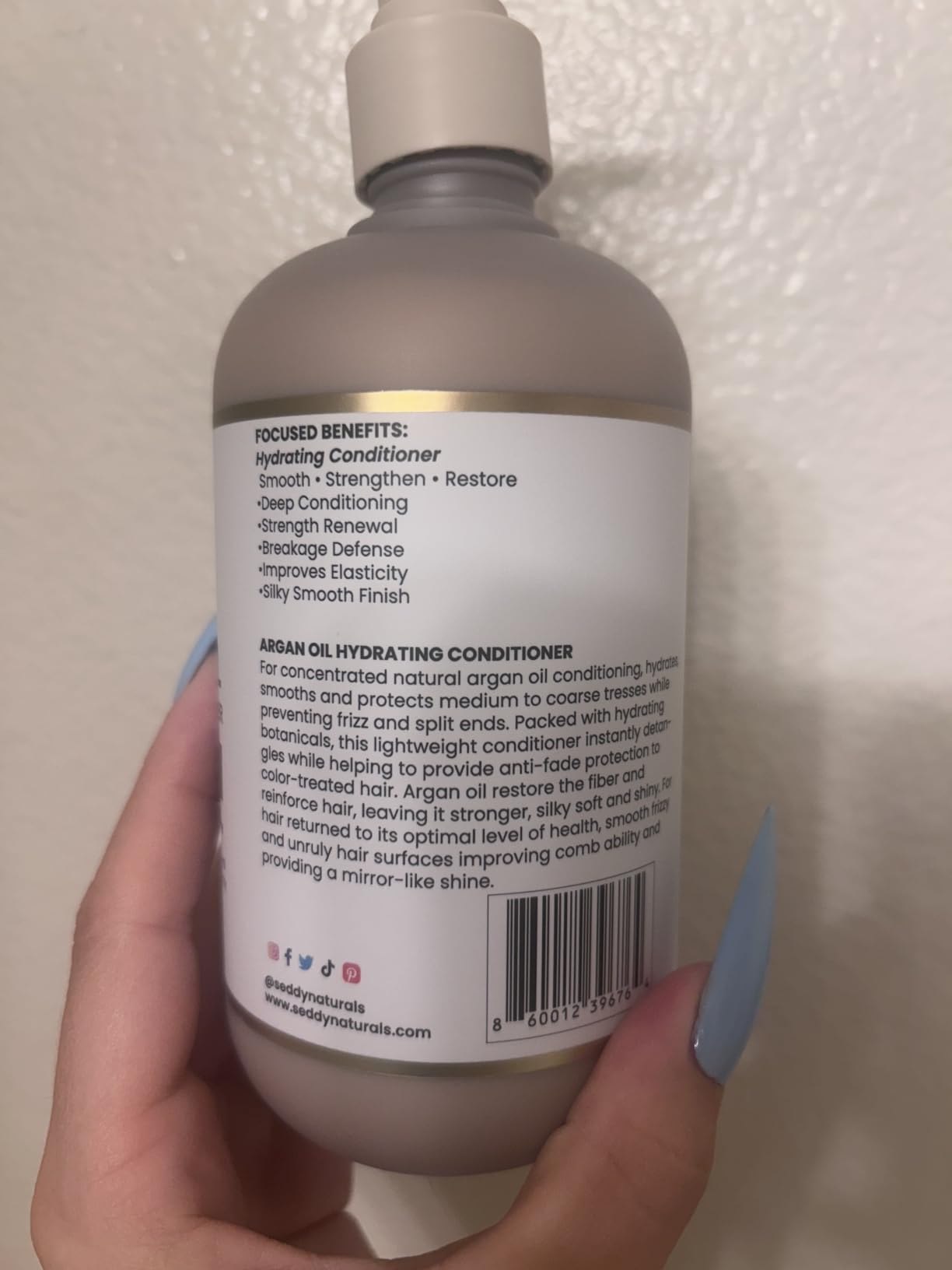
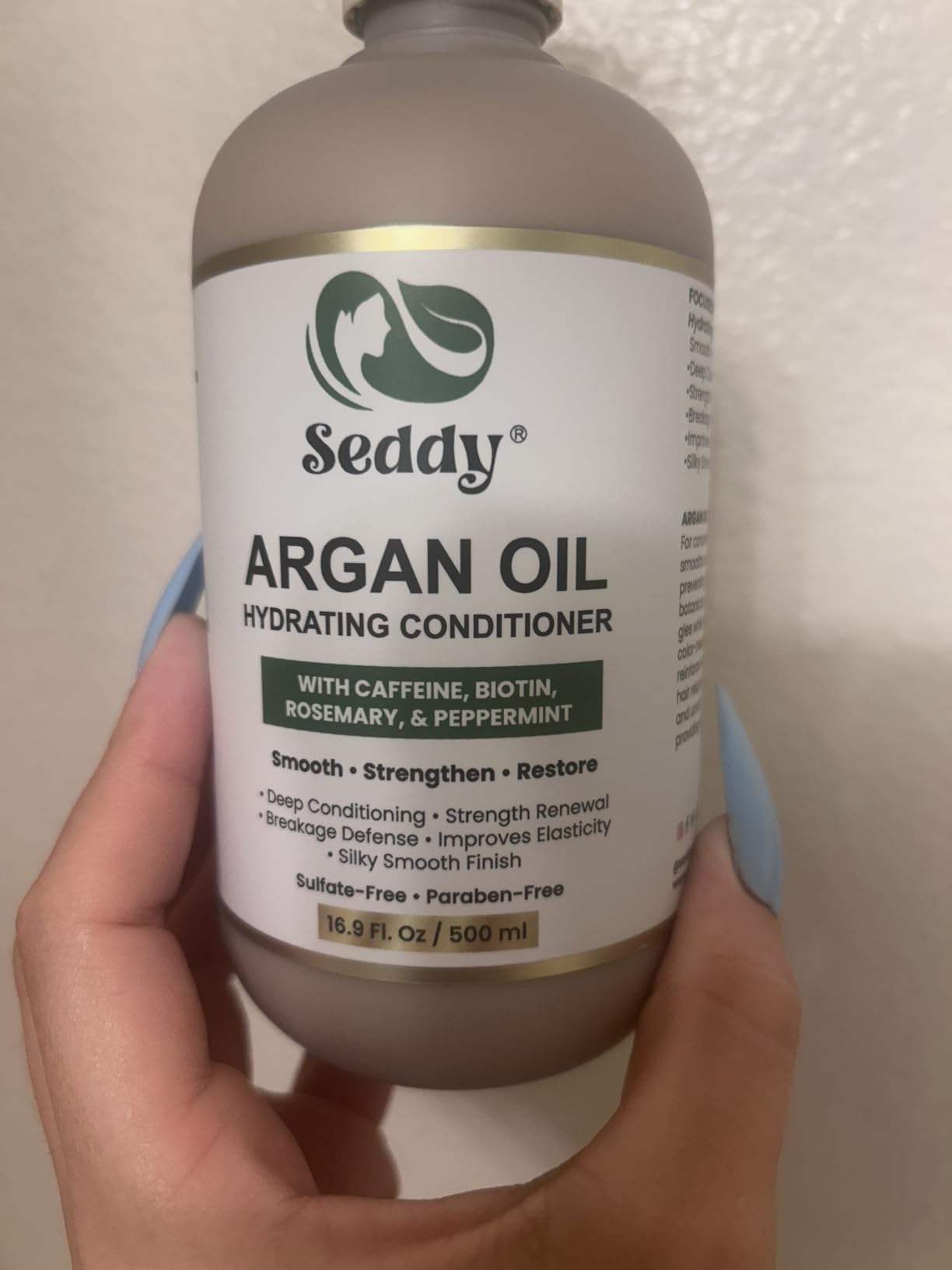
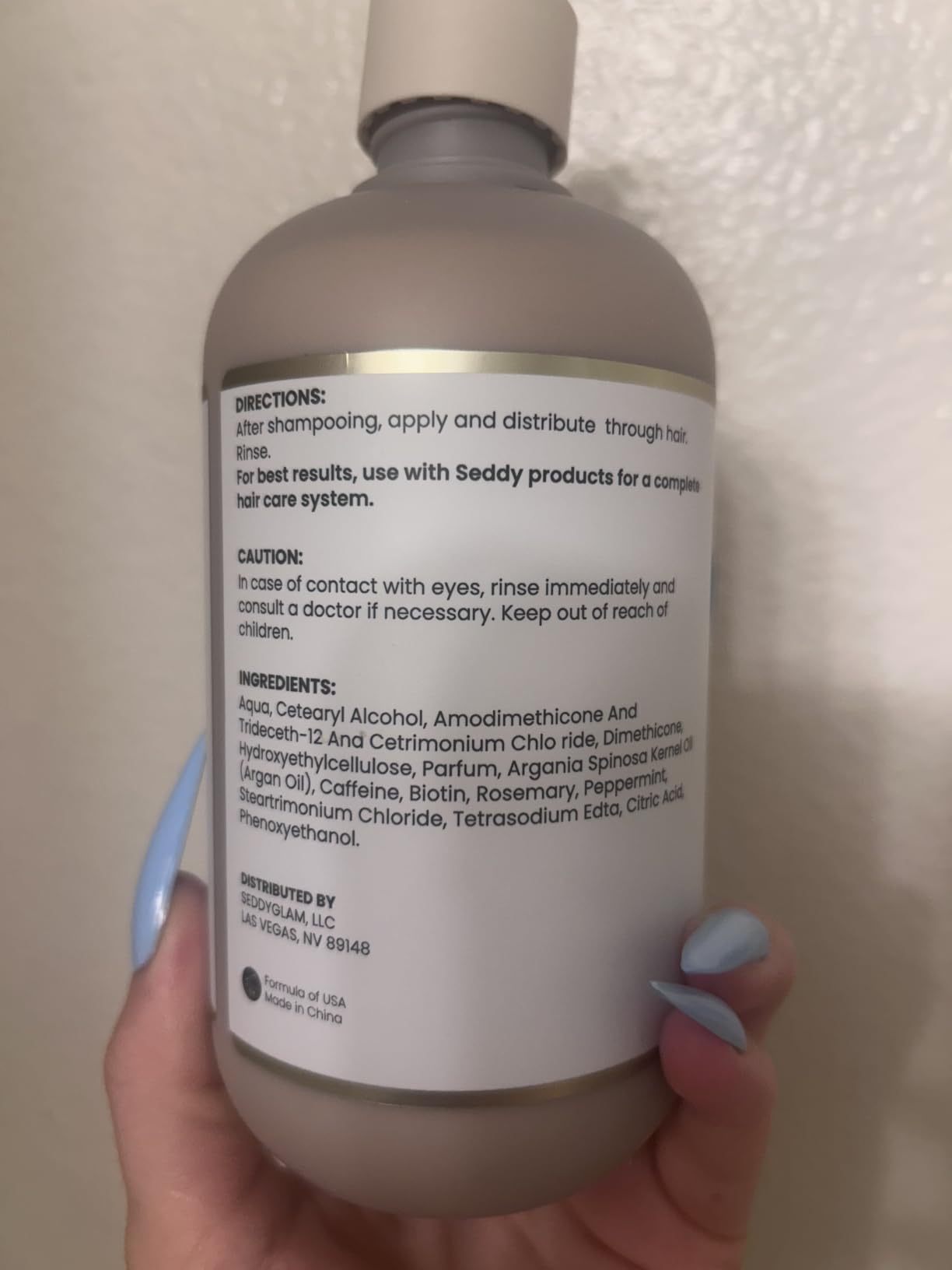
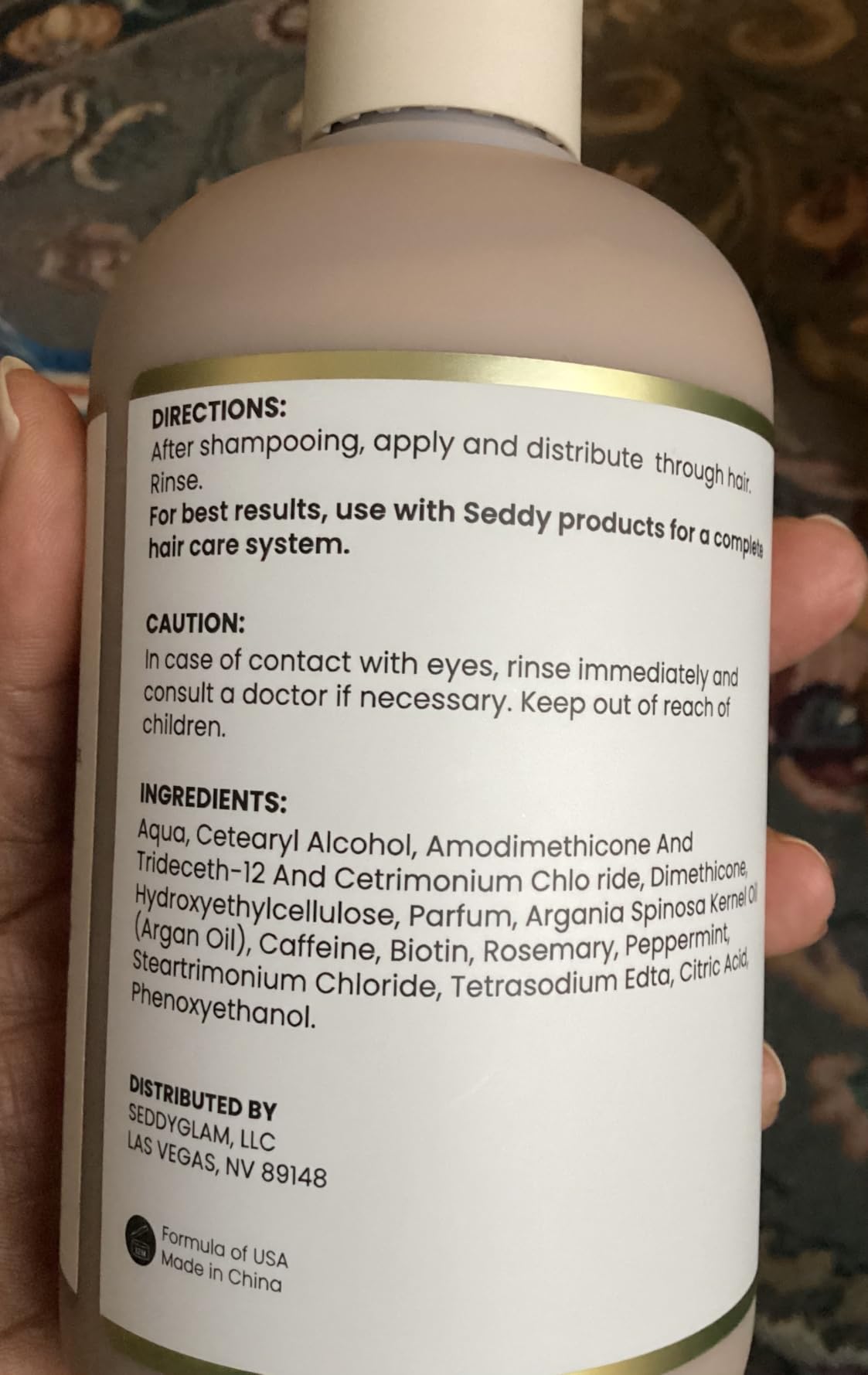
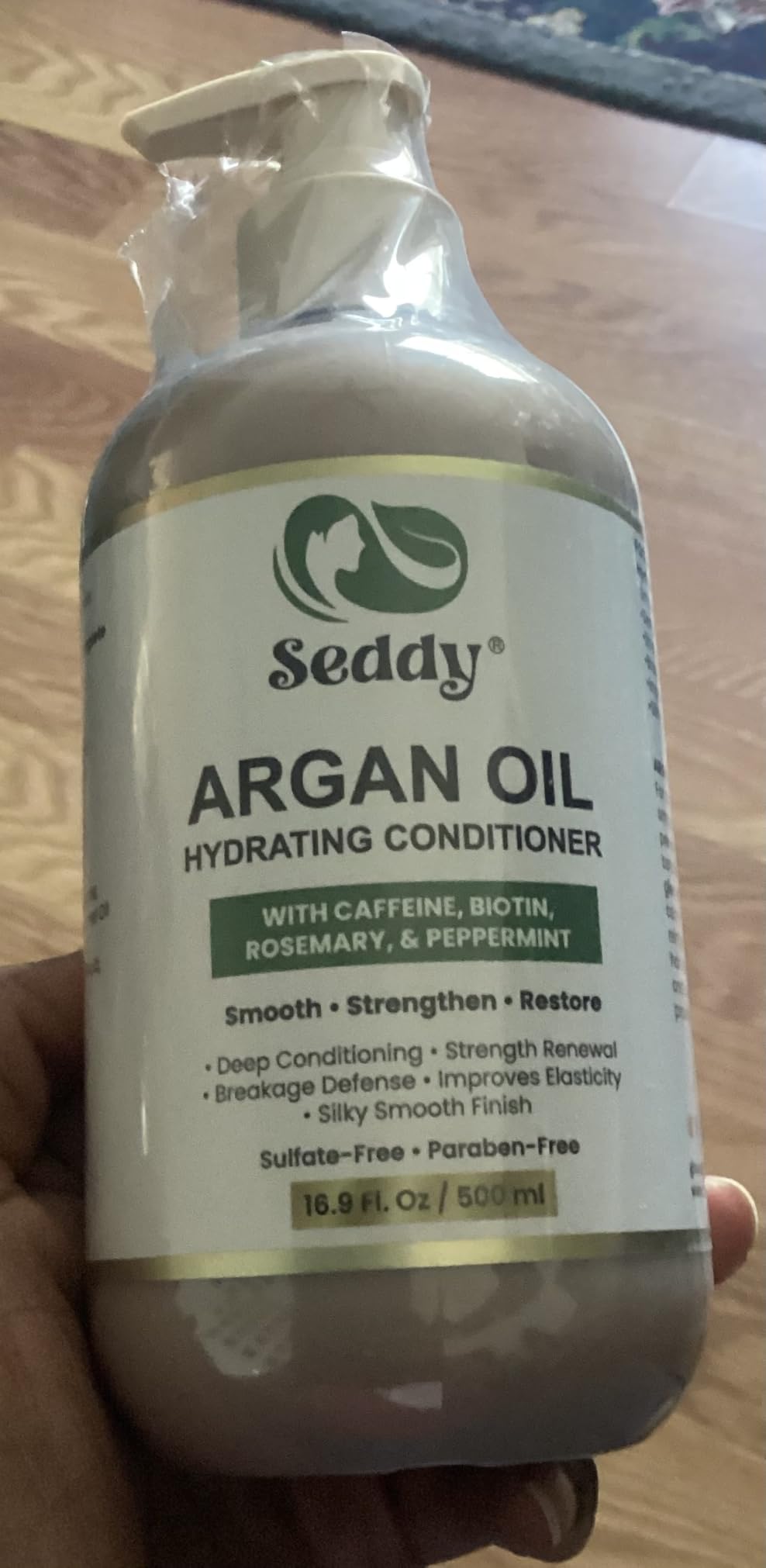
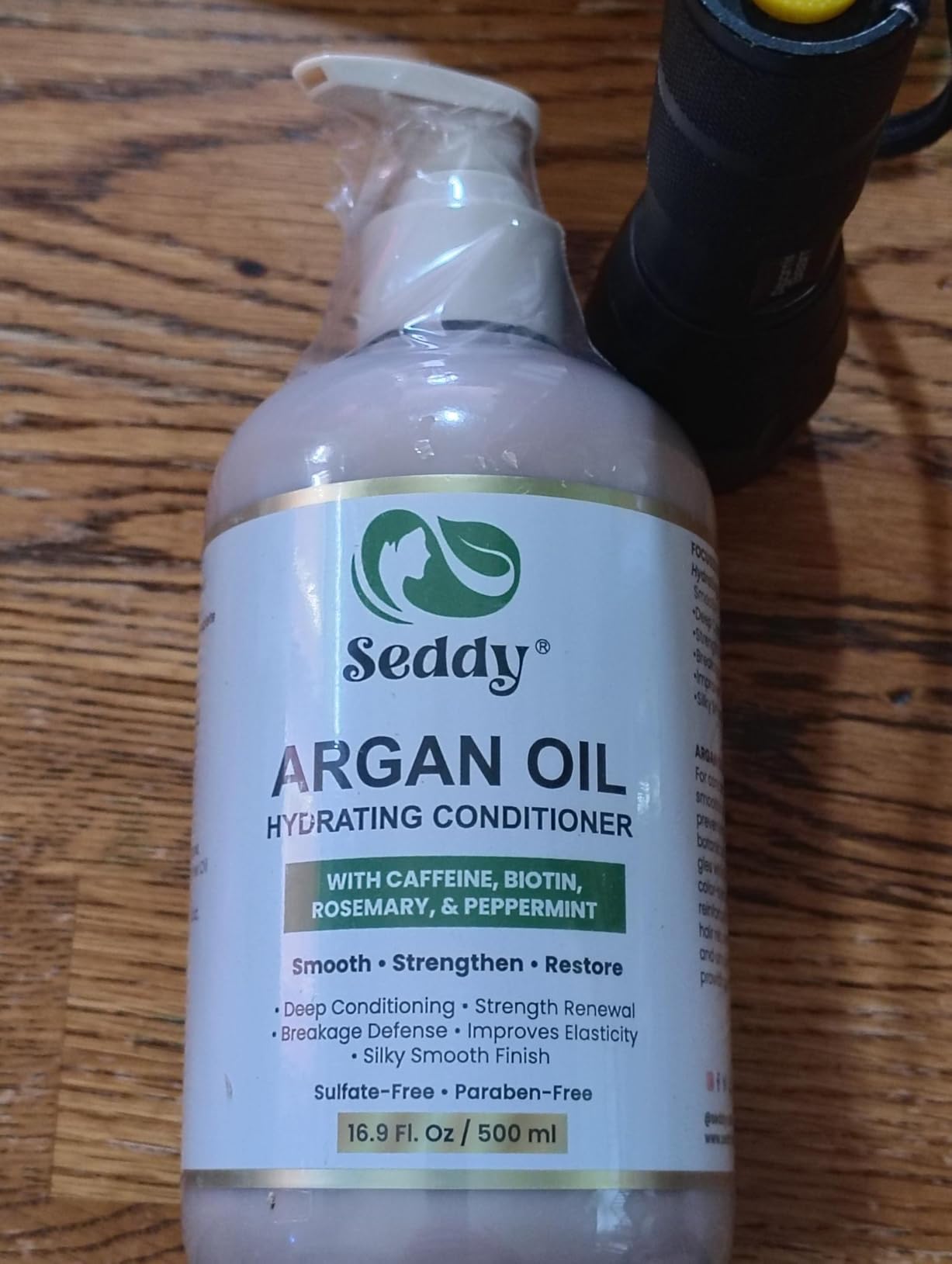
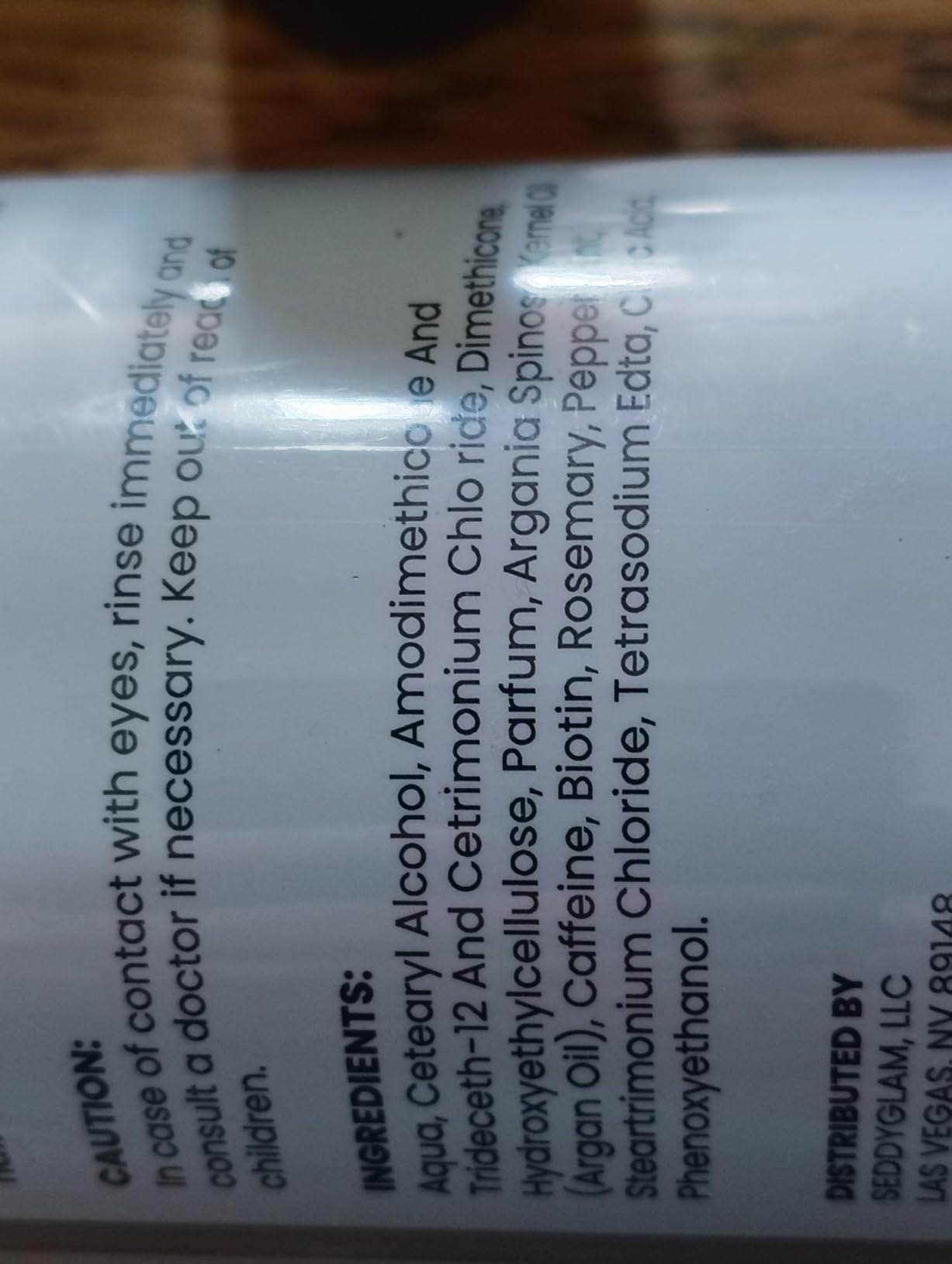
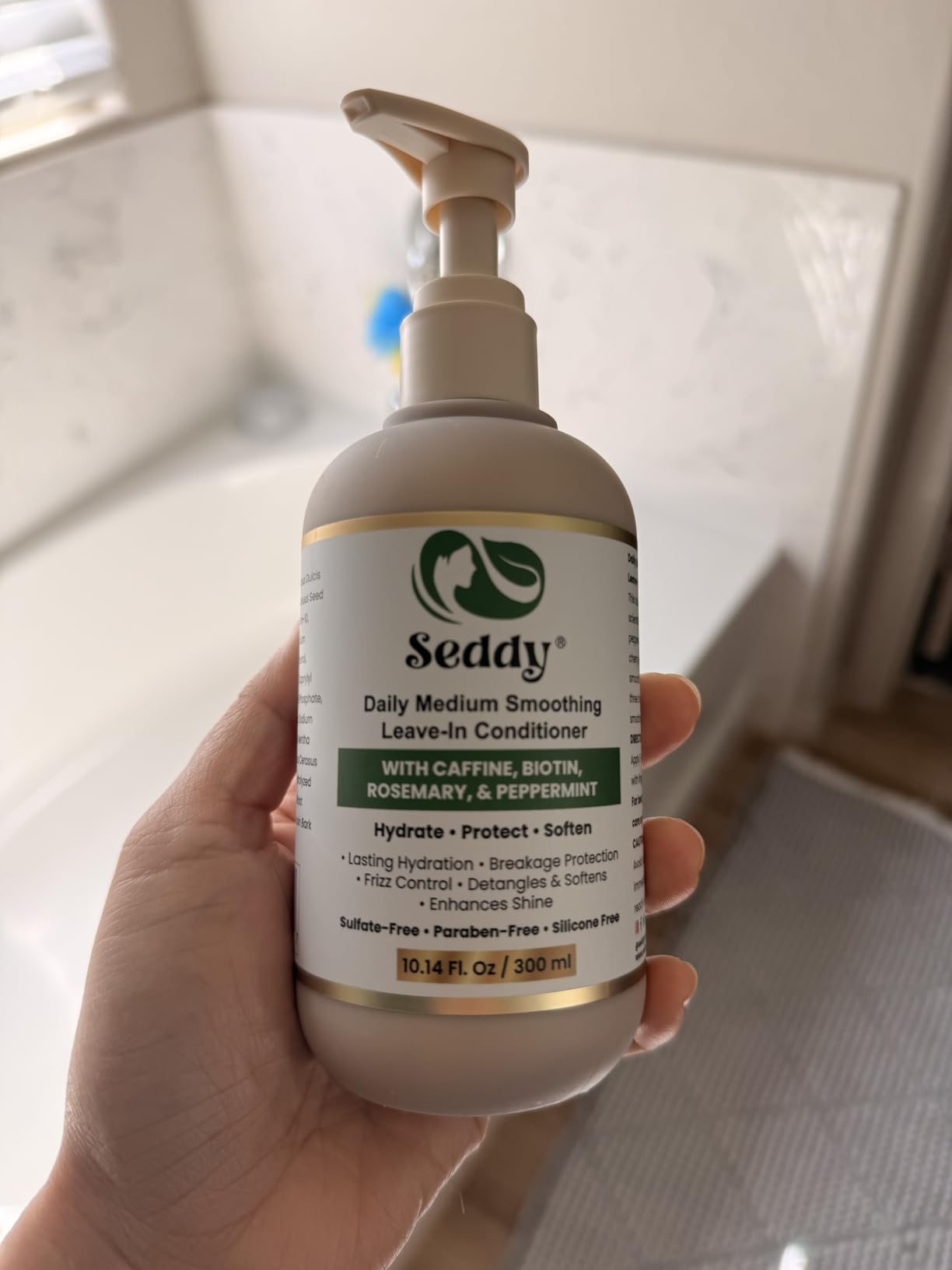
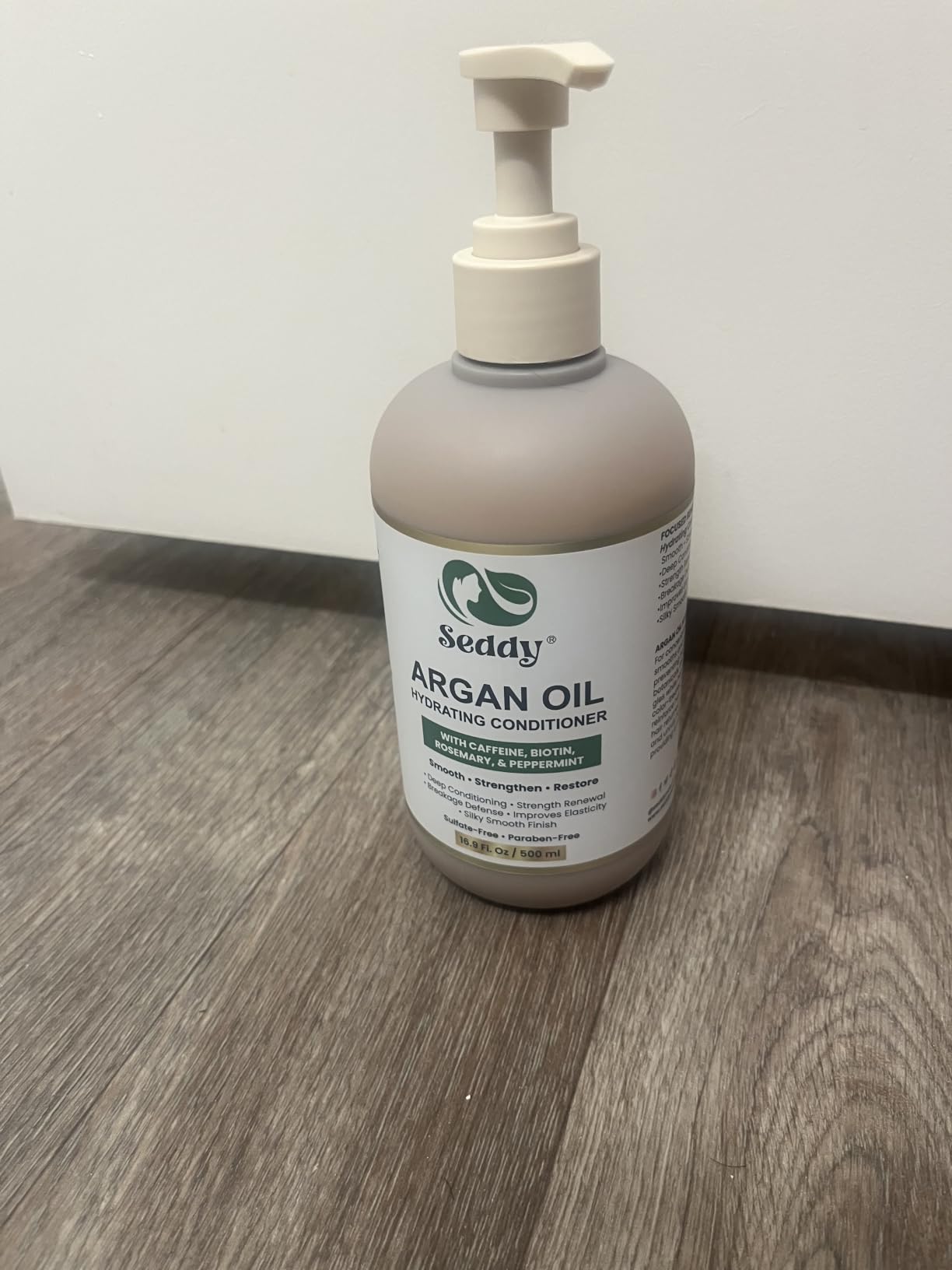
To make this routine easier, choose a growth oil that already blends rosemary, peppermint, caffeine, and castor oil together, like Seddy hair growth oil blended with premium oils. A lightweight formula absorbs quickly into the scalp, nourishes the follicles, and minimizes buildup, making it ideal for regular winter use.
If your goal is to grow longer, fuller, healthier hair in 2026, staying consistent with scalp massage, rosemary and peppermint oil, caffeine-based support, and moisture-protective habits will help you see measurable results by spring.

Frequently Asked Questions — New Year Hair Goals
1. When is the best time to start a new hair routine?
January is the ideal starting point because winter slows circulation and creates dryness, making routine improvements more effective.
2. How long does it take to see results?
Most people notice improvements within 4–6 weeks, with major changes by the 90-day point.
3. Do rosemary and peppermint oils actually help hair grow?
Yes. Both oils support circulation and improve follicle activity, which promotes healthier, stronger growth.
4. Why is caffeine oil popular for 2026?
Caffeine reduces shedding by blocking DHT and helps keep hair in its active growth phase for longer.
5. Can I combine rosemary, peppermint, and caffeine oils?
Absolutely. They complement each other and work even better when used together.
6. Why is shedding worse in winter?
Cold weather reduces blood flow, and indoor heating dries out the scalp, making follicles more prone to shedding.
7. How often should I oil my scalp in winter?
Two to three times per week is ideal for maintaining hydration and supporting healthy growth.
8. Should deep conditioning be done more frequently in winter?
Yes. Weekly deep conditioning with heat significantly improves moisture retention and prevents breakage.
9. Will this routine help thinning edges?
Yes. Improved circulation, reduced tension, and consistent scalp oiling can help restore fullness at the hairline.
10. Does this routine work for all hair types?
Yes. Straight, wavy, curly, and coily hair all benefit from scalp-first care, especially in winter.