

Why Your Scalp Itches Even When Your Hair Is Clean (And How to Stop It for Good)
Why Your Scalp Itches Even When Your Hair Is Clean (And How to Stop It for Good)
Your scalp can itch even when your hair is clean because itching is usually caused by dryness, inflammation, nerve sensitivity, or an impaired scalp barrier—not dirt. Washing alone does not repair these issues. Long-lasting relief comes from restoring moisture balance, calming inflammation, and supporting scalp circulation consistently.
Why Scalp Itching Is So Common — And So Misunderstood
Scalp itching is one of the most common hair concerns, yet it’s also one of the most misunderstood. Many people assume itching automatically means their hair is dirty or that they need to shampoo more often. When the itching doesn’t stop, frustration sets in, and people begin cycling through products without relief.
The truth is simple but often overlooked: an itchy scalp is a skin issue first, not a cleanliness issue.
The scalp is living skin with oil glands, nerve endings, blood vessels, and a protective barrier. When that barrier is disrupted—even if the hair looks freshly washed—the scalp can become irritated and itchy.
This is why someone can wash their hair, dry it, and still feel itching return within hours or days.
Why Washing More Often Can Make It Worse
One of the most common reactions to itching is washing more frequently. While this may provide temporary relief, it often worsens the problem long-term.
Frequent washing can:
- Strip the scalp of natural oils
- Disrupt the scalp’s protective barrier
- Increase dryness and tightness
- Make nerve endings more sensitive
When the scalp loses its natural oil balance, it sends distress signals in the form of itching. The result is a cycle: itch → wash → temporary relief → more itching.
Breaking this cycle requires addressing what’s happening beneath the surface.
The Scalp Barrier: The Missing Piece Most People Ignore
The scalp barrier is made of lipids (oils), proteins, and moisture that work together to protect the skin. When healthy, this barrier:
- Locks in hydration
- Shields nerve endings
- Prevents irritation
- Maintains comfort
When damaged, moisture escapes and irritants penetrate more easily. This triggers itching even if there’s no visible flaking or redness.
Common things that damage the scalp barrier include:
- Sulfates and harsh cleansers
- Hot water
- Frequent scratching
- Tight hairstyles
- Environmental stress
Repairing the barrier is essential for stopping itch long-term.

The Most Common Reasons Your Scalp Itches When It’s Clean
1. Chronic Scalp Dryness
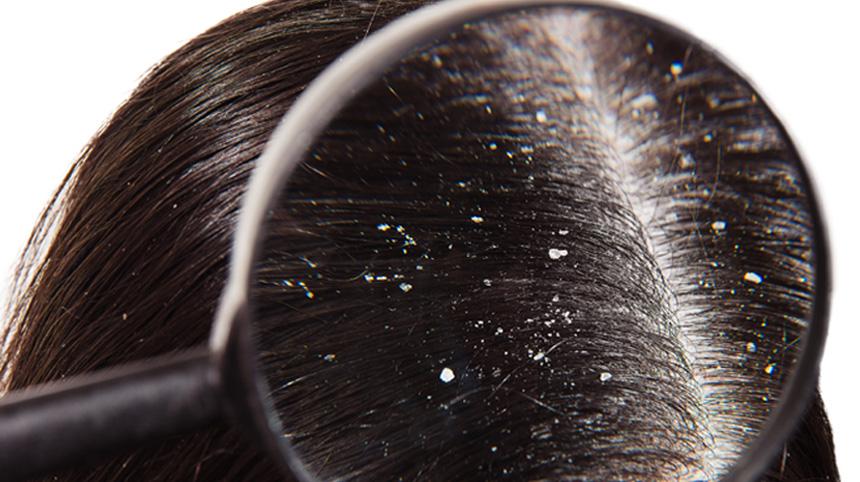
Dryness is one of the top causes of itching. Unlike dandruff, dry scalp may not flake visibly at first. Instead, it presents as:
- Tightness
- Tingling
- Mild itching that worsens over time
Dryness often occurs after washing because water alone does not hydrate skin—it actually increases moisture loss if oils are not replenished.
2. Inflammation Below the Surface
Inflammation doesn’t always show up as redness or flakes. It can exist quietly under the skin, irritating nerve endings and causing itching that feels deep or persistent.
Inflammation can be triggered by:
- Product sensitivity
- Fragrance overload
- Stress and hormonal shifts
- Repeated tension on the scalp
This type of itching often feels worse at night or after styling.
3. Product Buildup Trapped on the Scalp
Even when hair looks clean, buildup can remain on the scalp. Heavy oils, gels, creams, and edge control products can coat the scalp and trap sweat and debris underneath.
This leads to:
- Reduced oxygen flow to follicles
- Irritated nerve endings
- Itching that doesn’t improve with shampoo alone
Gentle balance—not aggressive cleansing—is key.
4. Nerve Sensitivity and Circulation Issues
The scalp contains thousands of nerve endings. When circulation is poor or nerves are overstimulated, itching can occur even without dryness or buildup.
This is common in:
- Thinning areas
- Edges and temples
- Areas under constant tension
Improving circulation often reduces itch intensity.
Why Anti-Dandruff and Medicated Shampoos Often Fail
Many people turn to medicated shampoos hoping to eliminate itching. While these can help specific medical conditions, they often fail for everyday scalp irritation.
Reasons include:
- They are rinse-off products
- They don’t restore the scalp barrier
- They can be drying with repeated use
For non-medical itching, long-term relief usually comes from leave-in scalp care, not harsher cleansing.
How Scalp Oils Actually Stop Itching (When Used Correctly)
Scalp oils are often misunderstood. When chosen correctly and applied properly, they work differently than styling oils.
Effective scalp oils:
- Seal moisture into the scalp
- Calm inflammatory responses
- Protect nerve endings
- Improve scalp flexibility
- Support circulation
The key is using lightweight, scalp-focused oils, not heavy greases.
The Role of Tea Tree Oil in Scalp Comfort
Tea tree oil has long been used for scalp care due to its calming properties. When diluted properly, it helps:
- Reduce irritation
- Support scalp balance
- Calm itch-triggering inflammation
It is important that tea tree oil is never used directly on the scalp without dilution, as this can worsen sensitivity.

Why Peppermint Oil Relieves Itching So Quickly
Peppermint oil works by activating cold receptors in the skin. This creates a cooling sensation that:
- Distracts nerve endings from itch signals
- Improves circulation
- Provides fast relief
This makes peppermint especially useful for itching caused by dryness, tension, or nerve sensitivity.
Why Oil Blends Are More Effective Than Single Oils
Single oils usually address only one cause of itching. Blends are more effective because scalp irritation is rarely caused by one issue alone.
A balanced blend can:
- Calm inflammation
- Improve circulation
- Restore moisture
- Prevent buildup
This layered approach leads to longer-lasting relief.
Recommended: Itchy Scalp Treatment Oil by Seddy
When scalp itching persists, targeted treatment matters.
Seddy Itchy Scalp Treatment Oil is formulated to address multiple itch triggers at once. It combines tea tree oil and peppermint oil for soothing and cooling relief, along with nourishing carrier oils that help repair the scalp barrier.
Because it is designed as a leave-in scalp treatment, the formula stays in contact with irritated areas long enough to support real relief—not just temporary masking.
This oil is especially helpful for:
- Dry, itchy scalp without flakes
- Itching under braids, twists, or wigs
- Sensitivity caused by frequent washing
- Tight or tender hairlines

How to Use Scalp Oil to Stop Itching Long-Term
Step-by-Step Routine
- Apply oil directly to the scalp, focusing on itchy areas
- Massage gently for 1–2 minutes
- Use 2–4 times per week
- Apply between wash days or before protective styles
- Stay consistent for at least 2–3 weeks
Relief often begins quickly, but barrier repair takes time.
How Long Does It Take for Itching to Stop?
Most people experience:
- Immediate cooling or comfort after application
- Reduced itching within 3–7 days
- Improved scalp balance within 2–4 weeks
Consistency matters more than how much product is used.
Why Itching Keeps Coming Back for Some People
Recurring itching usually means:
- The scalp barrier wasn’t repaired
- Products were changed too frequently
- Oils weren’t applied consistently
- Underlying dryness or inflammation remained
Long-term relief requires routine, not constant product switching.
Protective Styles and Itchy Scalp
Protective styles are meant to help hair, but they can worsen itching if the scalp isn’t cared for underneath.
Scalp oils are especially helpful during:
- Braids
- Twists
- Cornrows
- Wigs and sew-ins
Applying oil directly to the scalp helps maintain comfort without disrupting styles.
When to Seek Medical Advice
If itching is severe, painful, or accompanied by hair loss, thick scaling, or open sores, consult a dermatologist to rule out medical conditions.
For everyday itching caused by dryness, irritation, or imbalance, consistent scalp care is usually sufficient.
Final Takeaway
An itchy scalp does not always mean dirty hair. In many cases, itching is a sign of dryness, inflammation, or a damaged scalp barrier. Washing alone cannot fix these issues. Targeted scalp oils that restore moisture, calm irritation, and support circulation offer a more effective, long-term solution. With consistency, scalp comfort is achievable.

Frequently Asked Questions
1. Why does my scalp itch even after I wash my hair?
Because scalp itching is usually caused by dryness, inflammation, nerve sensitivity, or a damaged scalp barrier—not dirt. Washing alone doesn’t repair these underlying issues.
2. Is an itchy scalp always dandruff?
No. Many people experience itching without flakes. This is often due to dryness, irritation, or inflammation rather than dandruff or fungal causes.
3. Can washing my hair too often make my scalp itch more?
Yes. Frequent washing can strip the scalp of its natural oils, weaken the protective barrier, and increase dryness and sensitivity—leading to more itching over time.
4. Why does my scalp itch but look normal?
Inflammation and nerve sensitivity can exist below the surface without visible flakes or redness. This is why itching can occur even when the scalp appears healthy.
5. How can I tell the difference between dry scalp and dandruff?
Dry scalp usually causes tightness and mild itching with small, dry flakes. Dandruff often produces larger, oily flakes and may be accompanied by redness or irritation.
6. Do scalp oils actually help with itching?
Yes—when used correctly. Lightweight, leave-in scalp oils help seal moisture, calm inflammation, protect nerve endings, and support scalp balance between wash days.
7. How long does it take for scalp itching to stop?
Many people feel relief within a few days, but long-term improvement usually takes 2–4 weeks of consistent scalp care to repair the scalp barrier.
8. Why does my scalp itch more at night?
Itching often worsens at night because nerve sensitivity increases and the scalp becomes drier without daytime moisture or protection.
9. Can protective styles cause scalp itching?
Yes. Braids, twists, and wigs can increase dryness and reduce airflow to the scalp. Regular scalp oiling helps maintain comfort under protective styles.
10. When should I see a dermatologist for scalp itching?
If itching is severe, painful, persistent, or accompanied by hair loss, redness, thick scales, or sores, it’s best to consult a dermatologist to rule out medical conditions.