

How to Moisturize Low-Porosity Hair in Winter Without Buildup or Breakage

How to Moisturize Low-Porosity Hair in Winter
Winter + Low Porosity Hair = Extra Work
If you have low-porosity hair, you already know that moisture doesn’t come easily. Your strands have tightly closed cuticles that resist water, resist oils, and resist penetration — and while this makes your hair strong, shiny, and slow to absorb damage, it also makes winter a major challenge.
When the temperatures drop, humidity levels fall dramatically. The dry winter air pulls moisture from your hair faster than your strands can absorb it. The result? Hair that feels rough, stiff, brittle, knotted, or impossible to hydrate. Many people with low-porosity hair find that their usual products seem to “sit on top” of the hair during winter, causing buildup, greasiness, or flakes.
The key to winter moisture for low-porosity hair is not using more product — it’s using the right techniques that help the cuticle open slightly, allow hydration to enter, and keep moisture locked in without weighing down the strands.
This detailed guide explains how low-porosity hair behaves in winter, how to overcome moisture resistance, and how to create a routine that delivers soft, hydrated curls, coils, or waves all season long.
What Makes Low-Porosity Hair Different?
Low-porosity hair has cuticles that lie extremely flat and tight. Think of the cuticle like roof shingles — except in low-porosity hair, those shingles are sealed shut. This makes the hair strong, shiny, and resistant to frizz, but it also makes moisture absorption slow and difficult.
In warm weather, some humidity naturally helps the cuticles lift slightly, making moisturization easier. But in winter, dry air keeps the cuticles tightly sealed, preventing hydration from penetrating. This is why winter makes low-porosity hair behave even more stubbornly than usual.
Some of the most common winter complaints for low-porosity hair include:
- Moisturizers don’t absorb
- Products feel heavy or greasy
- Oils sit on the surface
- Hair dries out quickly
- Strands feel stiff or brittle
- Knots and tangles increase
- Breakage occurs around the ends
Low-porosity hair is not damaged — it simply needs heat, hydration, and proper layering to thrive, especially in cold weather.

Why Low-Porosity Hair Gets Extra Dry in Winter
The biggest enemy of low-porosity hair in winter is lack of humidity. The cuticles stay tightly closed when the air is dry, meaning moisture has nowhere to go. Water evaporates from the hair faster than the cuticles allow it to enter, leaving the strands dehydrated.
Indoor heating compounds the problem by pulling moisture from the hair and scalp. Hair that might have stayed hydrated for days during summer may feel dry within hours in winter. Low-porosity hair also struggles with product buildup during this season because oils and creams cannot penetrate properly and instead accumulate on the surface of the hair.
Another overlooked factor is cold wind friction, which roughens the cuticle layers and can cause mechanical breakage. Low-porosity hair is naturally strong, but once it becomes dry, it can snap easily — especially at the ends.
This combination of dryness, buildup, limited absorption, and rough winter conditions creates the perfect storm unless you adjust your routine to match the season.
Step 1 — Start With a Clean Foundation (Gentle Clarifying)
The most important (and most overlooked) step in moisturizing low-porosity hair is removing buildup. When oils, butters, gels, and leave-ins sit on the hair for too long, they prevent moisture from entering the shaft. Low-porosity hair holds on to buildup more stubbornly because the cuticles don’t open easily.
A gentle clarifying shampoo once every 2–3 weeks in winter can make a dramatic difference. It removes the residue that blocks hydration while still protecting your natural oils.
Without clarifying, even the best moisturizers won’t make it past the surface.
A clean slate allows your hair to absorb water more easily and makes every product that follows significantly more effective.
Step 2 — Use Warm Water to Lift the Cuticles Gently
Low-porosity hair responds extremely well to warm water. Heat softens the cuticles, allowing moisture to penetrate the strands more effectively. During winter, using warm—not hot—water is especially important because cold water will seal the cuticles shut and make your products sit on top.
Start your wash day with warm water rinses. This sets the stage for your hair to accept hydration during the shampoo and conditioning steps. This simple change often makes the hair noticeably softer and more manageable.
Step 3 — Deep Condition With Heat (Non-Negotiable in Winter)
Deep conditioning is essential for low-porosity hair year-round, but in winter, it becomes non-negotiable. The cuticles need help opening, and heat is the most effective way to achieve this.
Using a steamer, hooded dryer, heating cap, or even a towel-warming method allows the conditioner’s ingredients to penetrate deeply. The heat lifts the cuticles slightly, letting moisture sink into the hair shaft rather than sitting on the surface.
Deep conditioning with heat once a week during winter keeps low-porosity hair hydrated, flexible, and less prone to breakage. Hydrated hair is stronger hair, and strong hair retains length much more easily.
Step 4 — Choose Lightweight, Penetrating Oils
Heavy oils or butters like coconut oil, shea butter, and castor oil can sit on top of low-porosity hair, contributing to buildup and stiffness. Instead, winter routines call for lightweight, fast-absorbing oils that can penetrate the cuticle rather than coat the surface.
Some of the best oils for low-porosity hair include:
- Argan oil (high penetration, lightweight slip)
- Jojoba oil (closest to natural sebum, balances scalp)
- Grapeseed oil (seals lightly without heaviness)
- Rosemary-infused oils (stimulates follicles without buildup)
- Peppermint-infused oils (refreshes scalp, reduces dryness)
Read more: The Science Behind Rosemary Oil for Hair Growth
During winter, a lightweight oil prevents the hair from feeling greasy or limp, while still providing protection against moisture loss.
If you want to incorporate heavier oils, applying them only to the scalp and using them sparingly on the ends is best. But for the lengths of low-porosity hair, penetrating oils offer the best balance of moisture and movement.
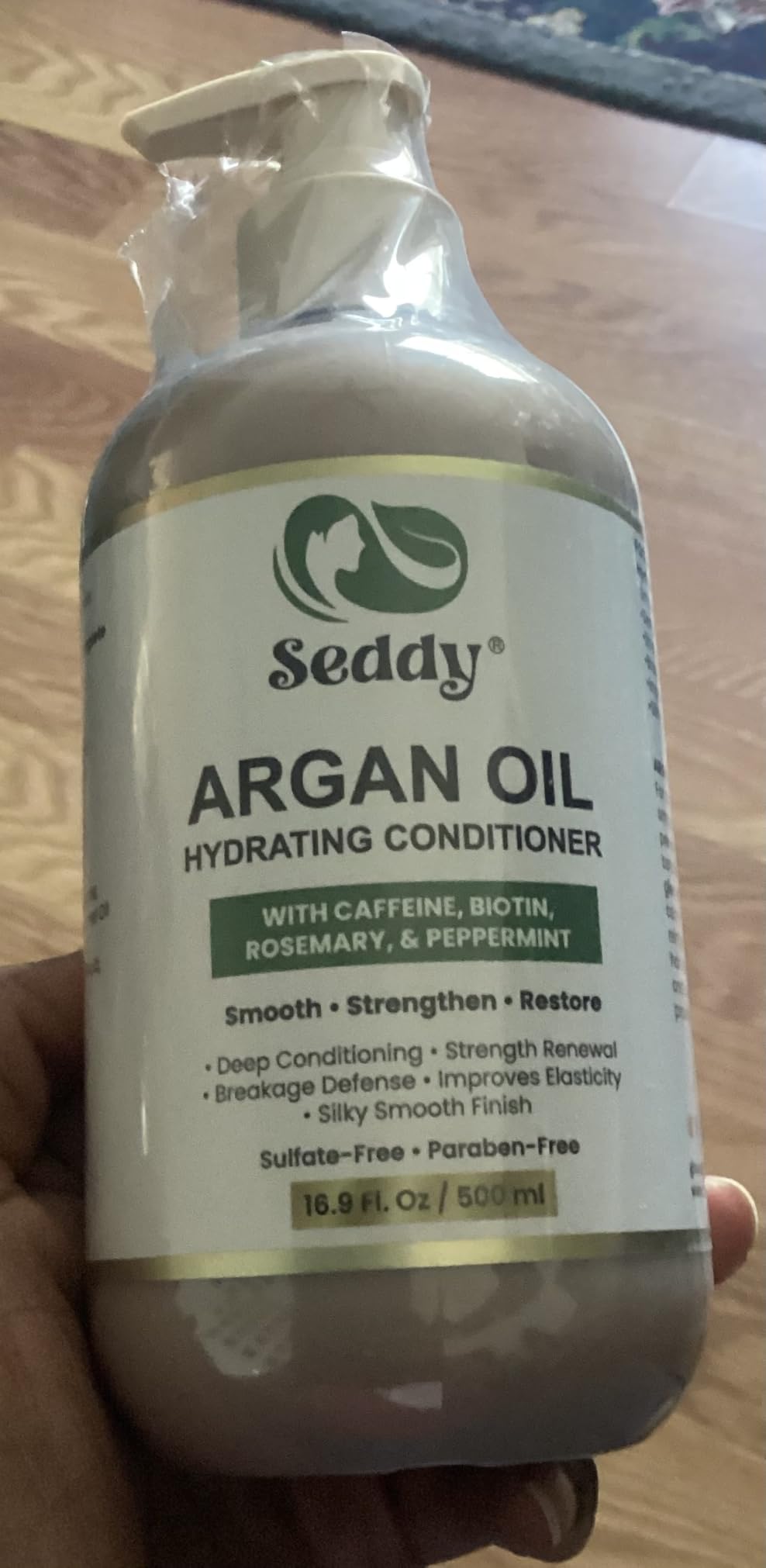
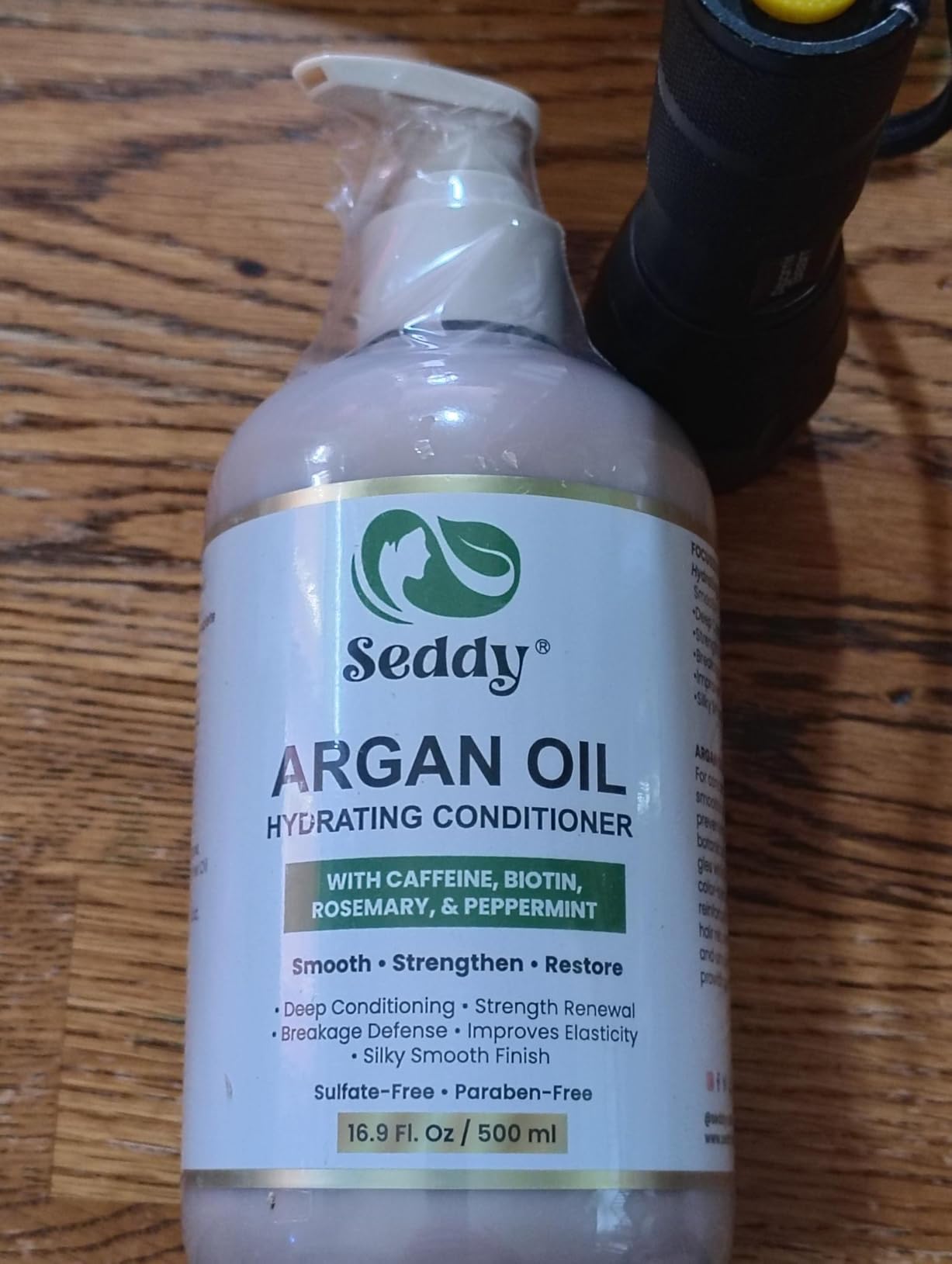
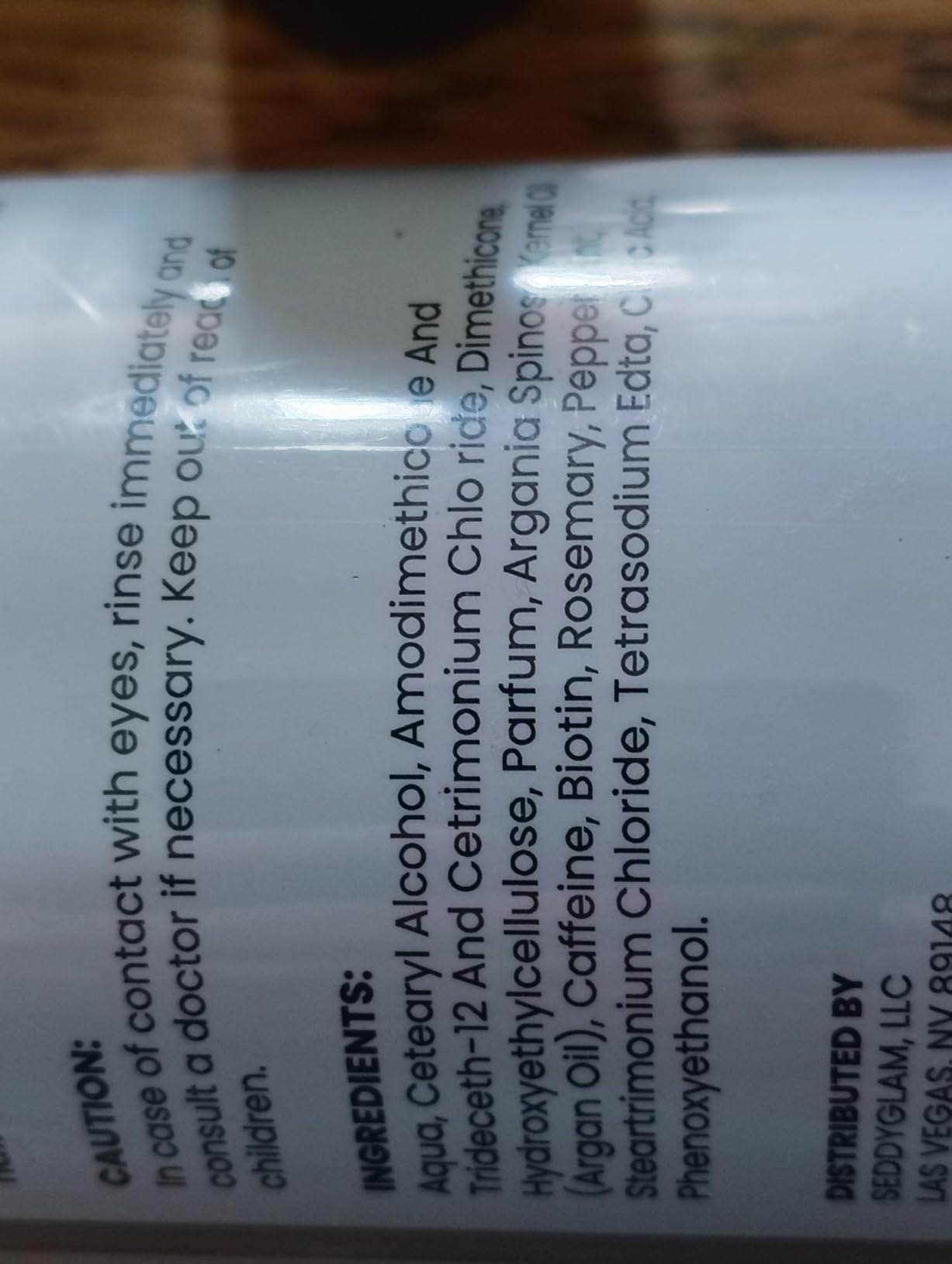
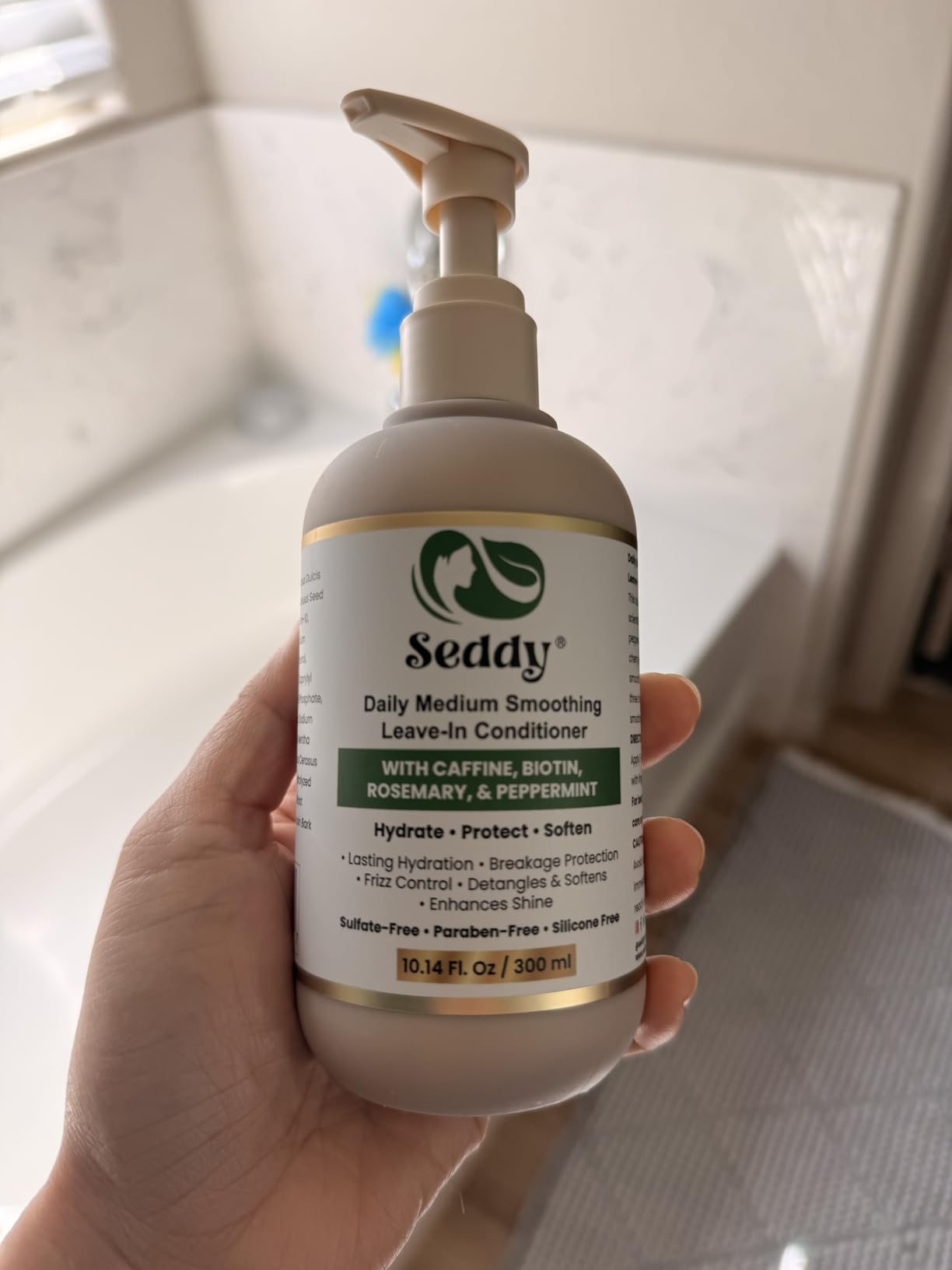
Seddy Hair Growth Oil (Lightweight, fast absorbing — perfect for low porosity)

Step 5 — Moisturize With Water First, Oil Second
Low-porosity hair needs hydration before it needs oil. Oil is not a moisturizer — it is a sealant. In winter, when the hair loses water rapidly, applying oil to dry hair traps dryness rather than hydration.
A simple winter-friendly moisturizing method for low-porosity hair is:
- Hydrate hair with water or a water-based leave-in
- Seal lightly with a penetrating oil
This layering approach allows water to enter the hair shaft, while the oil slows down evaporation.
Instead of using heavy creams, choose lighter, water-based leave-ins that won’t sit on the surface. This prevents the stiffness or waxy feeling low-porosity hair often experiences in winter.
Step 6 — Use Steam or Warm Mist to Refresh Curls Between Washes
Mid-week hydration can be difficult for low-porosity hair because it doesn’t absorb water easily unless the cuticles are warm. Using a hair steamer, warm humidifier, or shower mist to refresh curls makes a significant difference.
Steam helps reintroduce moisture without saturating the hair with product. It also encourages softness, reduces frizz, and helps lightly revive dehydrated curls or coils.
During winter, this trick keeps your hair hydrated between wash days and prevents the dryness that leads to breakage.
Step 7 — Avoid Heavy Butters and Product Layering in Winter
Low-porosity hair becomes stiff and overloaded quickly, especially in winter when the cuticles stay tightly shut. Avoid using too many products at once. Instead, stick to:
- Lightweight leave-ins
- Penetrating oils
- Occasional curl-refreshing sprays
Heavy butters sit on the surface and attract lint, dust, and dryness. Too many layers of styling cream or gel can suffocate the hair, making it feel sticky or dull.
In winter, less is more — it’s about letting moisture in, not piling products on.
Step 8 — Protect Your Ends (They Dry Out the Fastest)
Low-porosity hair often struggles with keeping the ends moisturized in winter. The ends are the oldest part of the hair and lose hydration quickly. Protecting them helps preserve length and prevent breakage.
A light oil or small amount of cream on the ends creates a barrier against dryness. Protective styles like loose twists, buns, or braids help shield the ends from friction caused by sweaters, scarves, and coats.
Step 9 — Reduce Heat Styling and Winter Manipulation
Winter increases mechanical damage because the hair becomes more fragile when dry. Low-porosity hair can tolerate heat but becomes significantly more sensitive in cold weather. Limiting blow-drying, flat ironing, and tight hairstyles reduces long-term stress on your hair.
If you must use heat, apply lightweight heat protectants and keep the temperature moderate. Heat should enhance moisture — not fight against it.
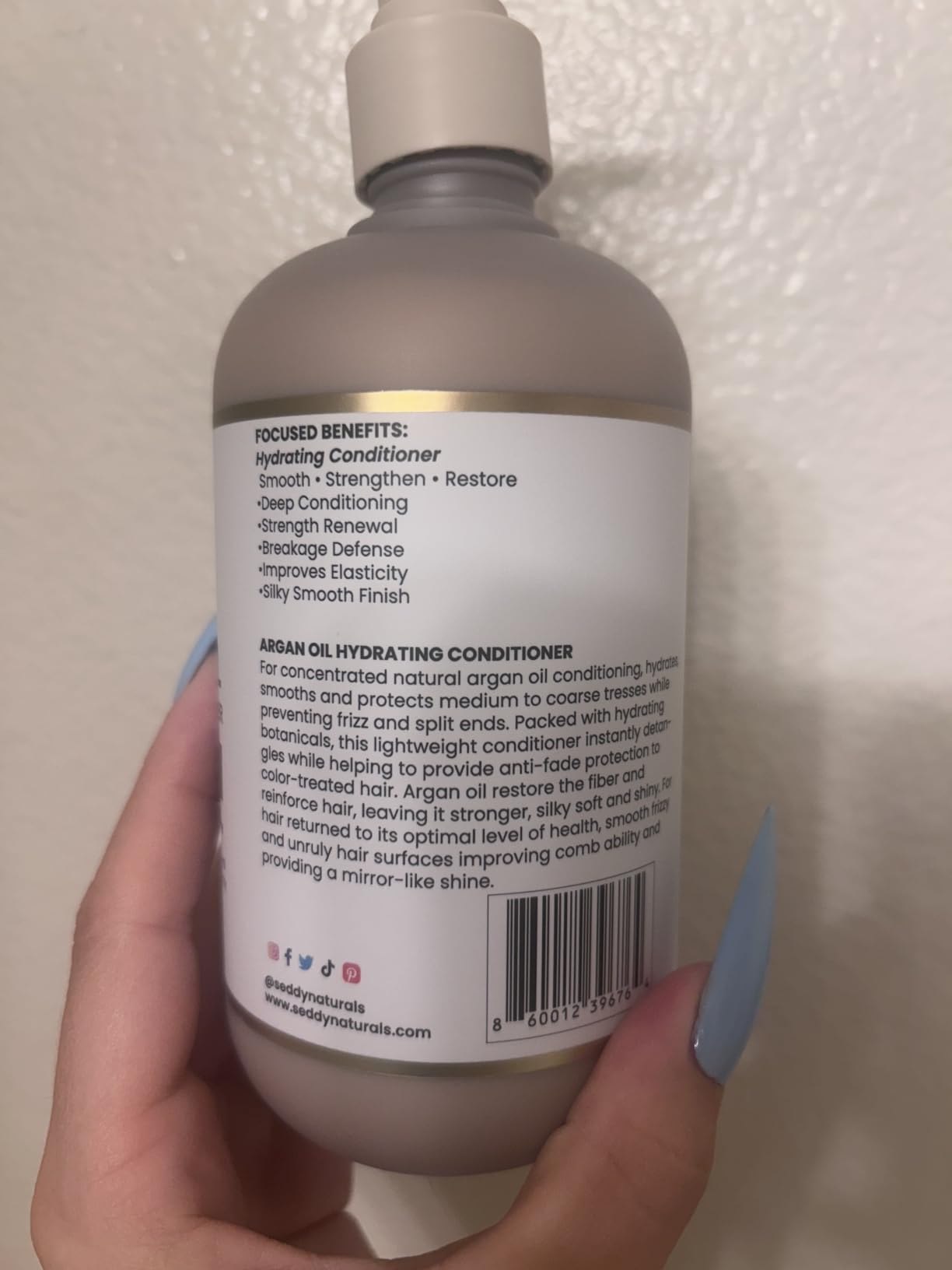
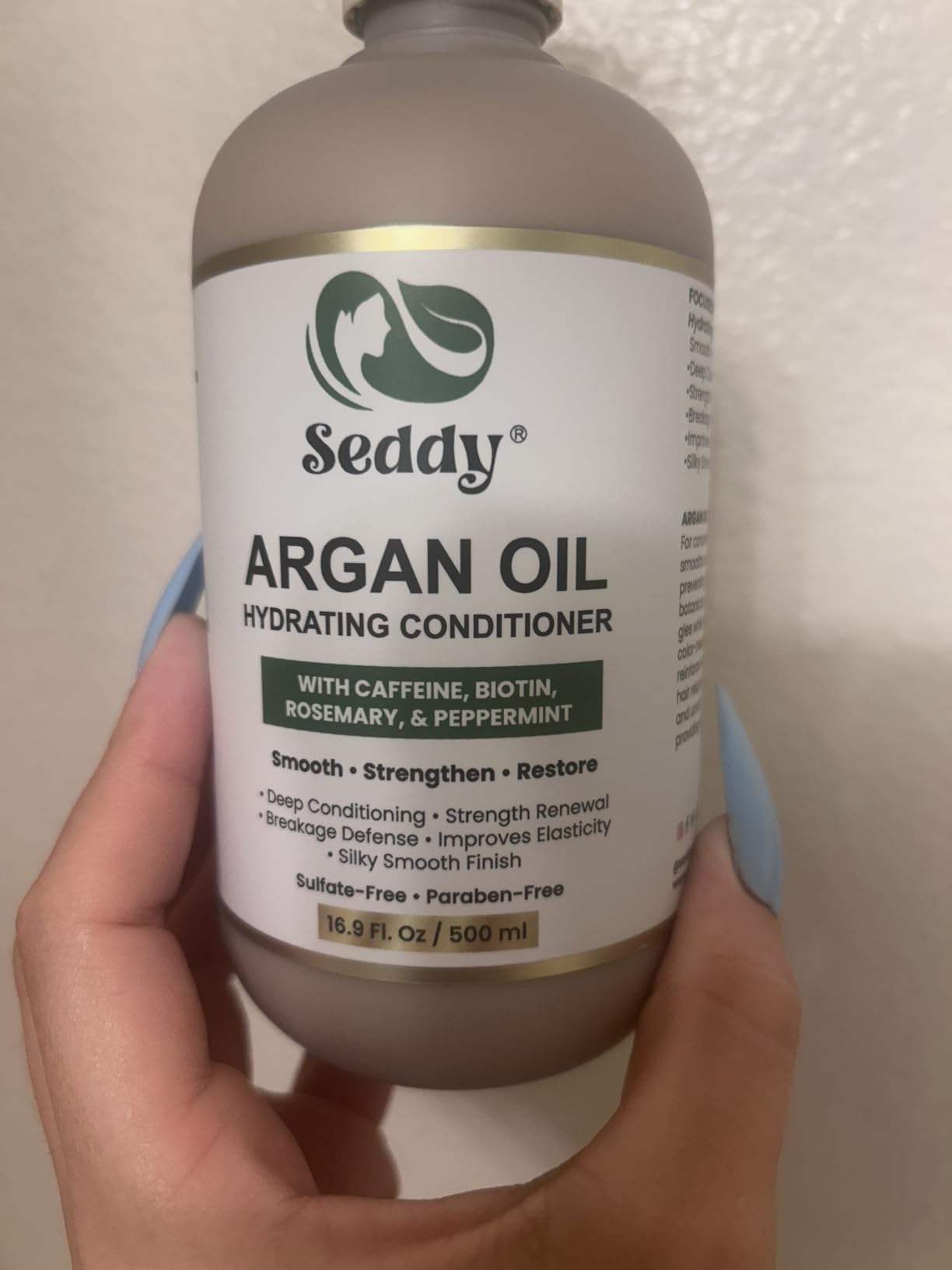
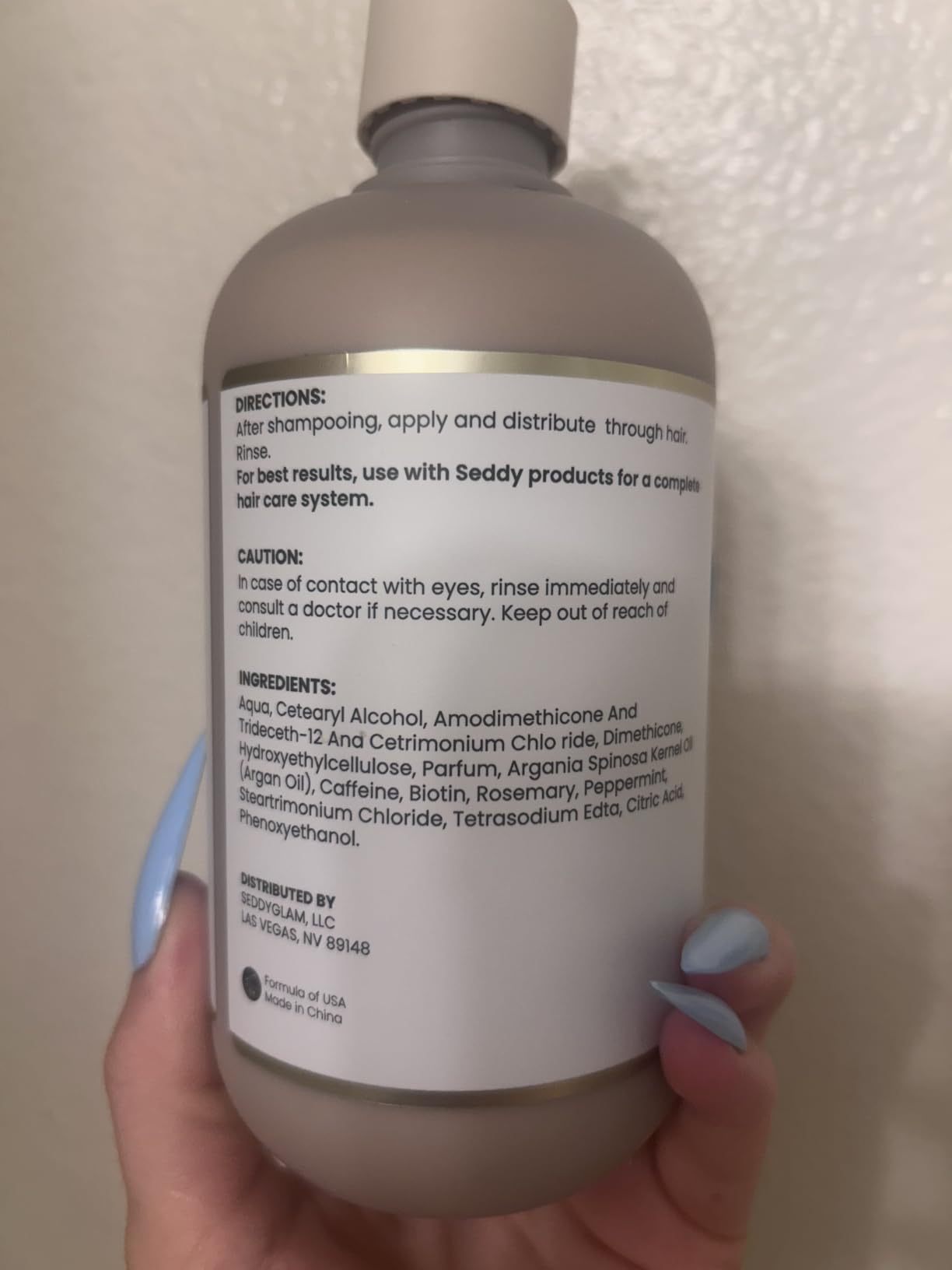
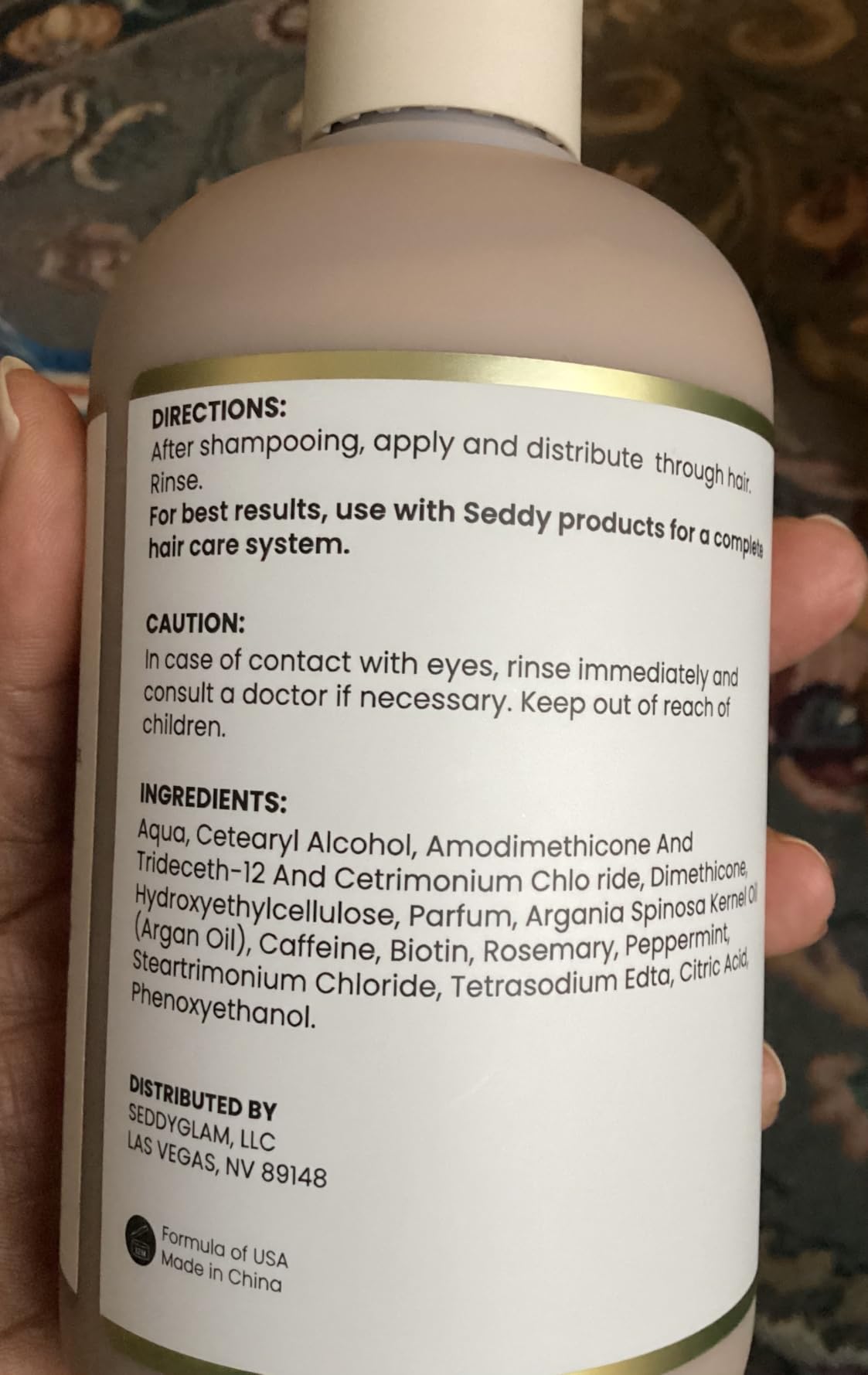
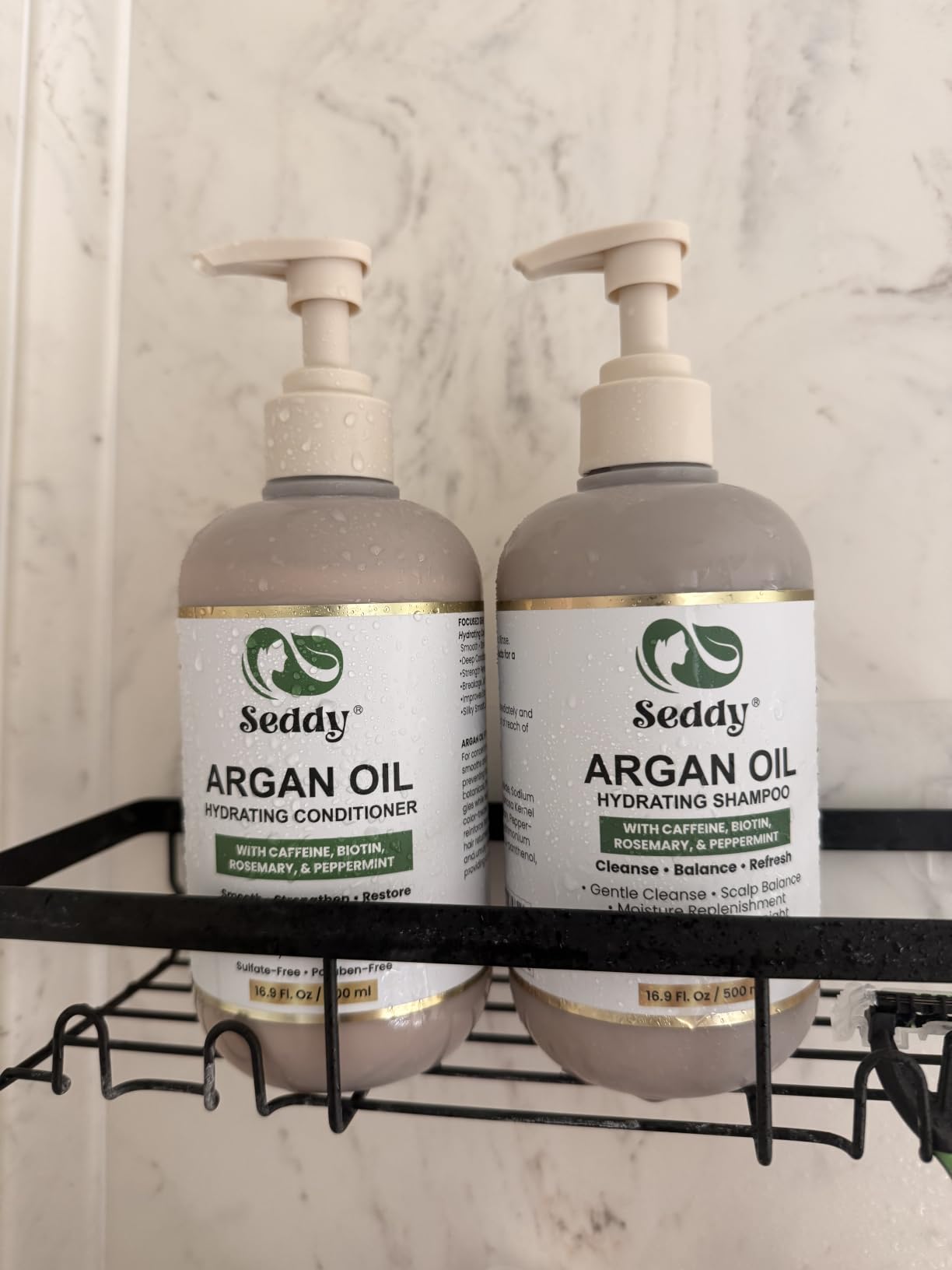
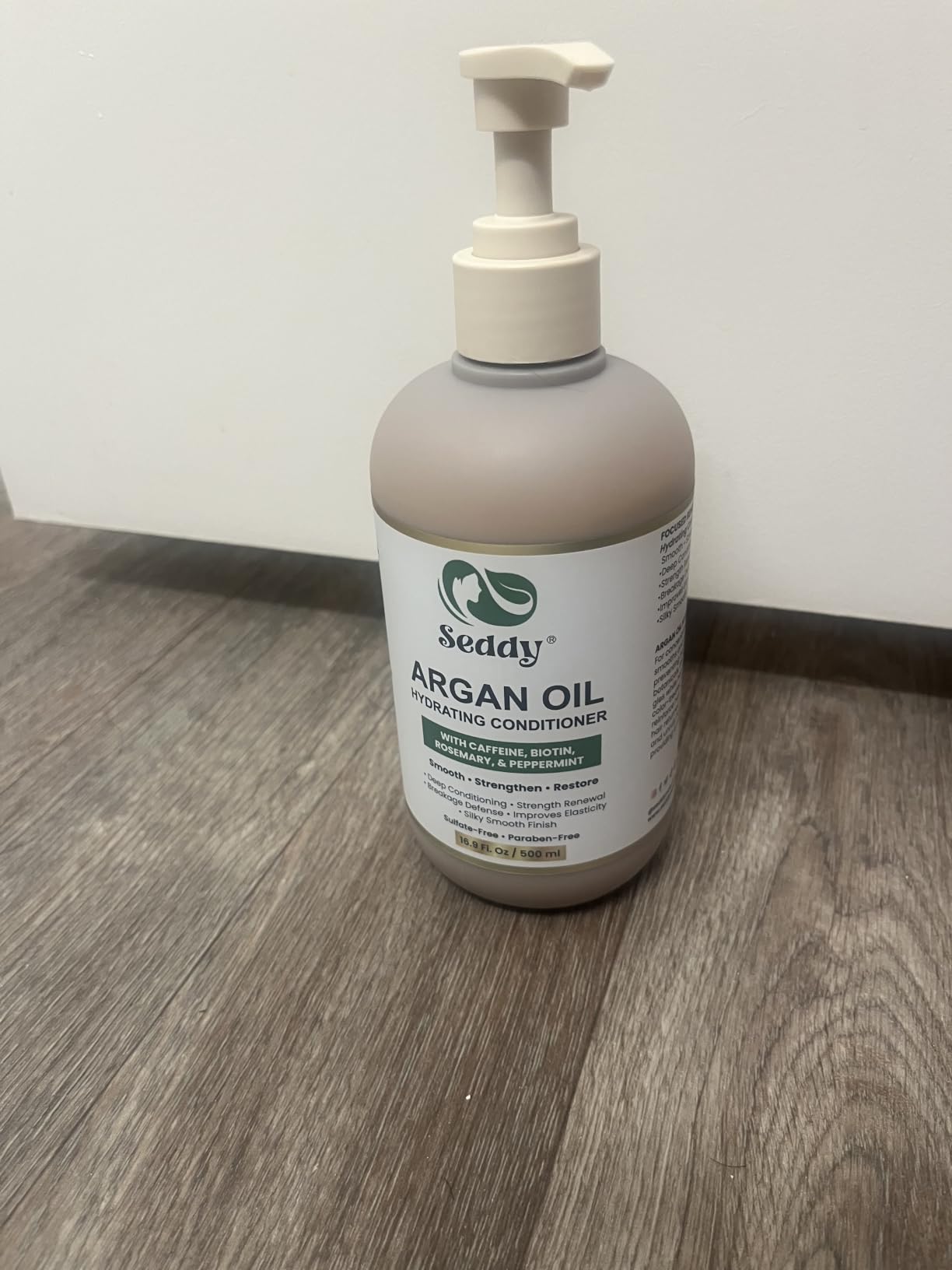
If you're trying to keep your low-porosity hair hydrated this winter, using lightweight oils like argan, rosemary, and peppermint blends can help deliver moisture without weighing the hair down.
SHOP NOW

Frequently Asked Questions — Moisturizing Low-Porosity Hair in Winter
1. Why does my low-porosity hair get so dry in winter?
Low humidity keeps the cuticles tightly sealed, preventing moisture from entering the hair shaft.
2. Should I deep condition more often in winter?
Yes — once a week with heat is ideal for low-porosity hair.
3. Can I use castor oil on low-porosity hair?
Yes, but use it lightly and mostly on the scalp, not the lengths.
4. Why do heavy products make my hair feel stiff?
Low-porosity hair absorbs slowly, so heavy butters sit on the surface and cause buildup.
5. How can I keep my curls hydrated between washes?
Use steam, warm mist, or water-based refreshers instead of heavy creams.
6. Is clarifying necessary?
Yes. Clarifying every 2–3 weeks prevents buildup and helps hair absorb moisture.
7. Should I use cold water to rinse my hair?
Not in winter — cold water seals the cuticle too tightly. Use lukewarm water instead.
8. Can low-porosity hair benefit from scalp oils?
Absolutely. Lightweight oils help balance the scalp and prevent dryness.
9. Is steaming good for low-porosity hair?
Yes. Steam is one of the best ways to hydrate low-porosity hair in winter.
10. How long until I see improvement?
Most people notice softer, more manageable hair within 2–3 weeks of a winter-specific routine.