Hair Growth Oil FAQs: Thinning Edges, Shedding Scalp Care
Find answers about hair growth oils, thinning edges, scalp care, and routines that help support stronger, fuller-looking hair
Application & Usage
+How do I use hair growth oil for best results?
Apply a small amount directly to your scalp 3–4 times per week and massage for 5–10 minutes.
Then focus on consistency and low-tension styling so you retain the length you grow. Part your hair in sections, apply a few drops along each part, and massage gently—more product is not better.
Most people see the best results with 3–4 applications per week.
If your scalp is very dry or you’re in protective styles, you can use a small amount daily—just keep applications light and cleanse regularly to avoid buildup.
Both work: use oil on damp hair to help seal moisture, and on a dry scalp to focus on scalp care and growth support.
If your main goal is growth support, apply directly to the scalp either way and massage gently.
+How much hair oil should I use each time?
Use a small amount—usually a few drops per scalp section. Consistency matters more than quantity. If hair feels coated, reduce the amount and wash to reset.
+How long should I massage my scalp when applying oil?
A gentle 1–2 minute massage is enough to help distribute oil and support circulation. Longer isn’t required—consistent routine use is what matters.
+Is it better to oil my scalp at night or in the morning?
Either works. Night application allows more time for absorption; morning use can help manage dryness through the day. Choose the timing you’ll stay consistent with.
+Can I leave hair oil in overnight?
Yes. Many people leave scalp oil overnight, especially for dryness. Keep it light to avoid buildup.
+Do I need to wash my hair after every oil application?
No. Hair oils are meant to be left in for ongoing scalp support. Wash when your scalp feels coated or your routine requires it.
+Will hair oil clog my pores or cause buildup?
Too much oil (or too many layered products) can cause buildup. Apply small amounts directly to the scalp and cleanse on a consistent schedule.
+Can I use hair oil on my ends too?
Yes. A small amount on the ends helps reduce dryness and split ends, which supports length retention.
+Can I use hair growth oil with braids, twists, locs, wigs, or sew-ins?
Yes. Apply oil directly to the scalp (especially parts and hairline) to reduce dryness and support retention while styles are in.
+What is a pre-wash (pre-poo) oil treatment and how do I use it?
A pre-wash oil treatment is applied before cleansing to help soften hair and reduce wash-day breakage. Apply to lengths and ends, leave on 15–30 minutes (or overnight), then wash as usual.
+Does hair growth oil grow new hair or just prevent breakage?
Hair oils mainly support the scalp environment and reduce breakage so you retain length. If follicles are active, consistent scalp care can also support fuller-looking growth over time.
+Can hair oil make hair grow faster?
Oils don’t change your natural growth speed, but they help you keep more length by reducing breakage and supporting scalp comfort.
+Why does my hair grow but still look thin?
Hair can be growing while breakage, shedding, or scalp stress reduces fullness. Supporting follicles and strengthening strands over time helps improve the look of density.
+What’s the difference between shedding and breakage?
Shedding comes from the root as part of the hair cycle, while breakage happens along the strand. Scalp care + gentle handling can help reduce both.
Thinning Edges, Shedding & Scalp Concerns
+What’s the best hair oil for thinning edges and a thinning hairline?
A scalp-focused oil used consistently—plus low-tension styling—can help improve retention and support fuller-looking edges over time.
Edges often thin from tension, friction, and breakage. Apply oil lightly to edges/temples and massage gently, then reduce tight styles and friction at the hairline.
Postpartum shedding is common. Hair oils can support the scalp and reduce breakage while your hair cycle normalizes. Pair scalp care with gentle styling to protect fragile new growth.
+Can hair oil help traction alopecia or damage from tight hairstyles?
If follicles are still active, reducing tension and improving scalp care may help recovery over time. Oils support scalp comfort and retention while new growth appears.
+What helps a dry, itchy scalp?
Apply a lightweight scalp oil in small amounts and avoid heavy layering. If flakes persist, focus on consistent cleansing and scalp comfort.
If flakes are caused by dryness, oil may help. If dandruff is severe or persistent, pair scalp care with proper cleansing and avoid heavy buildup.
+Can stress cause hair thinning?
Yes. Stress can trigger shedding cycles that make hair appear thinner. Gentle routines and consistent scalp care help during recovery periods.
+Does hair oil help baby hairs grow?
If follicles are active, consistent scalp care may help strengthen and retain fine new growth, including baby hairs.
+What is the best oil for Black hair growth and thickness?
Black hair often benefits from scalp nourishment + strand strength + moisture retention. Consistent scalp application and gentle styling typically improve length retention and fullness over time.
+What ingredients support scalp health and hair growth?
Ingredients commonly used to support scalp health and growth appearance include caffeine (follicle support), rosemary and peppermint (scalp stimulation), and nourishing oils like castor, argan, and jojoba to strengthen strands and reduce breakage.
Caffeine is commonly used in scalp treatments to support follicle activity and reduce shedding. It’s most effective when used consistently over several weeks.
Rosemary is widely used in scalp routines to support scalp stimulation and overall scalp health. Consistency and gentle styling help you see the most benefit.
+What is DHT and why do “DHT blockers” matter for thinning hair?
DHT is a hormone that can contribute to thinning in some people. “DHT blocker” ingredients are often used to support a healthier scalp environment for those focused on density.
+Are these oils heavy or lightweight?
When used in small amounts, a balanced formula can nourish the scalp without feeling heavy. If hair feels greasy, reduce the amount and avoid layering too many products.
+Is hair oil good for low-porosity hair?
Yes—apply lightly to the scalp rather than heavily coating strands. Consistent scalp care plus moisture management typically works best.
+What’s the difference between a scalp oil and a hair shine oil?
Scalp oils are used to support follicles and scalp health. Shine oils mainly coat the hair surface for softness and sheen. A scalp-first routine supports long-term results.
Storage & Safety
+How should I store my hair oil to keep it fresh?
Store in a cool, dry place away from heat and direct sunlight. Keep the cap tightly closed between uses.
+How long does hair oil last once opened?
Most oils stay fresh for many months when stored properly. If you notice a major change in smell, color, or texture, discontinue use and replace.
+Do you recommend a patch test?
Yes—especially for sensitive scalps. Apply a small amount to a discreet area first and monitor before full use.
Build Your Hair Growth Routine
+What’s the simplest routine for fuller-looking hair?
Seddy Jamaican Black Castor Oil with Rosemary & Peppermint – Growth & Scalp Revitalization Thicker, Stronger, Revived Hair — NaturallySeddy’s Jamaican Black Castor Oil with Rosemary & Peppermint combines the age-old strength of Jamaican castor oil with the scalp-stimulating power of rosemary and peppermint...
Organic Castor Oil with Rosemary & Peppermint – Best Natural Hair Growth Oil for Edges, Scalp & Beards Grow Stronger, Healthier Hair the Organic WayDiscover the power of Seddy Organic Castor Oil with Rosemary & Peppermint, a clean, three-ingredient formula crafted to stimulate hair...
Seddy Organic Castor Oil – Deep Nourishment & Stronger Hair Growth Pure Castor Oil for Scalp, Edges, Brows & BeardsSeddy’s Organic Castor Oil is a single-ingredient powerhouse crafted to deeply hydrate the scalp, nourish hair follicles, and support visibly healthier, stronger strands. Cold-pressed and...
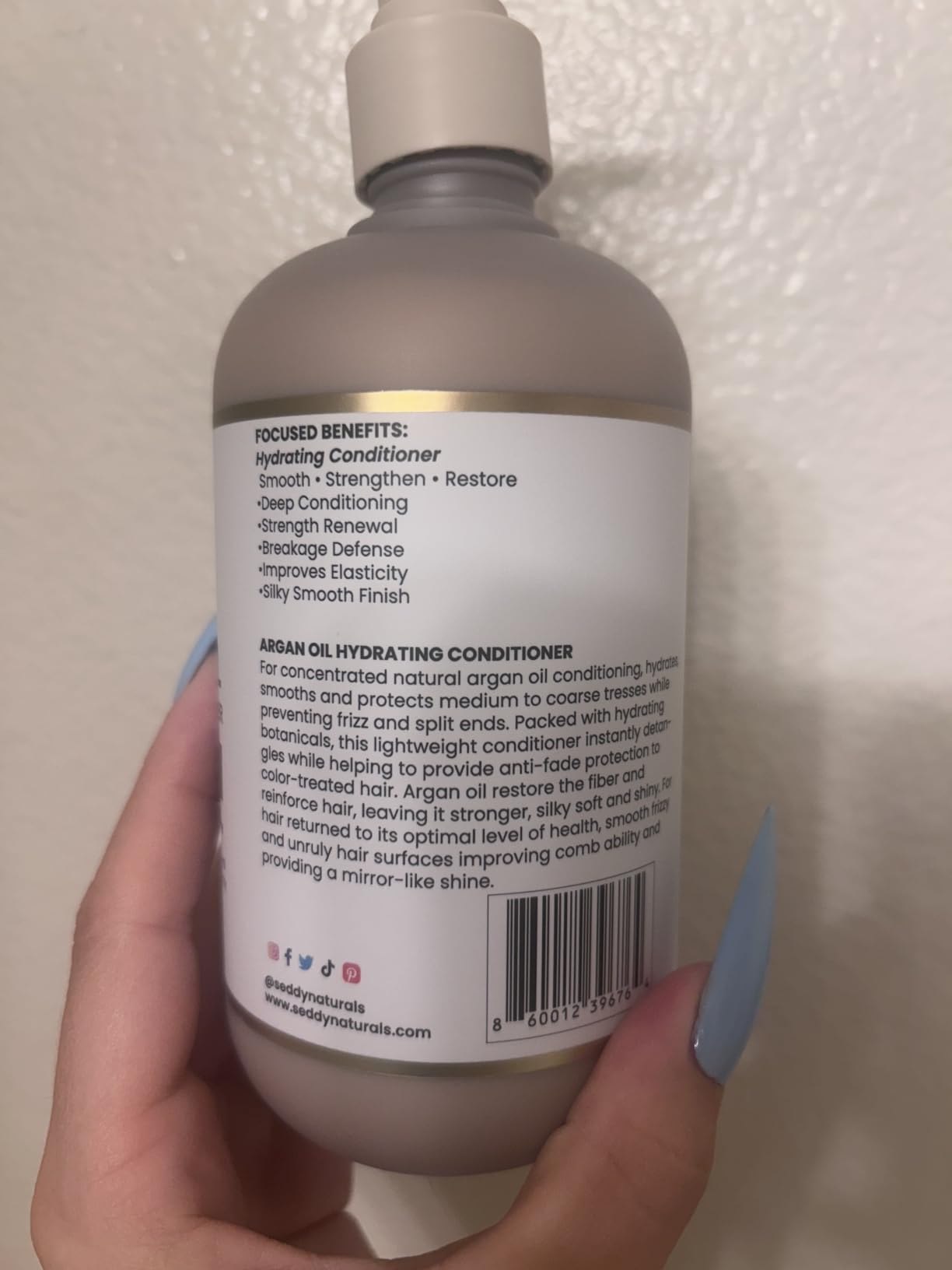
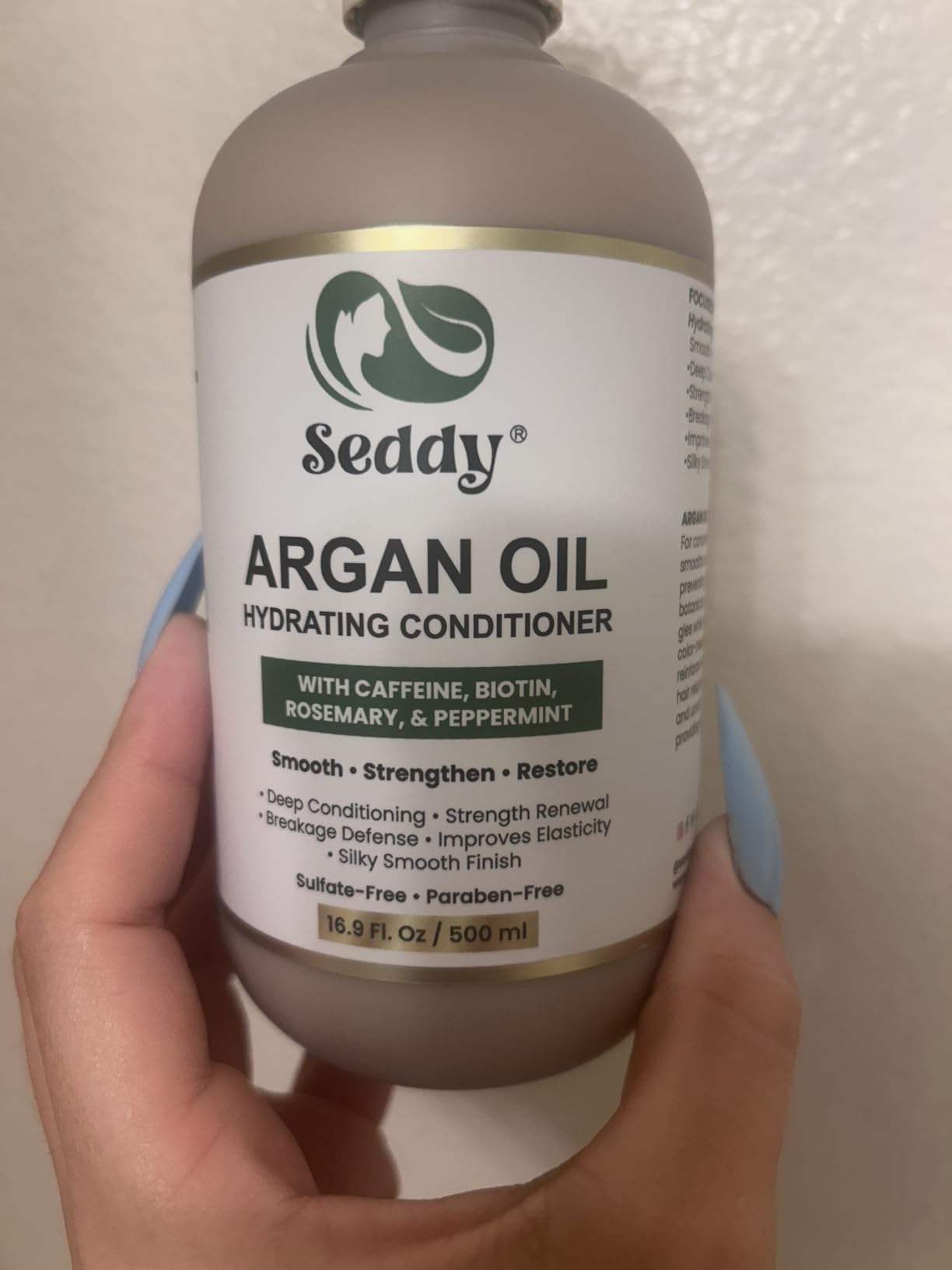
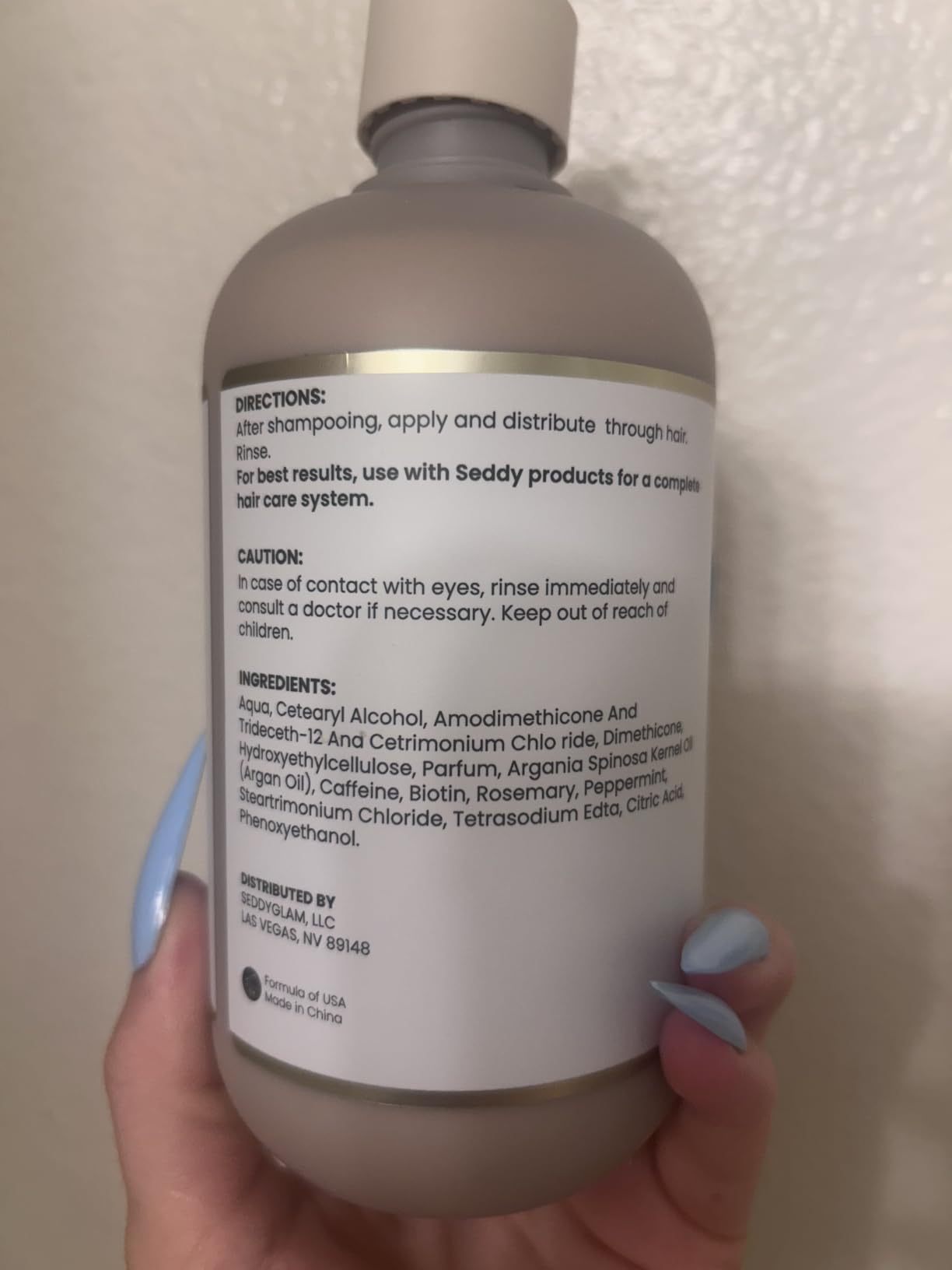
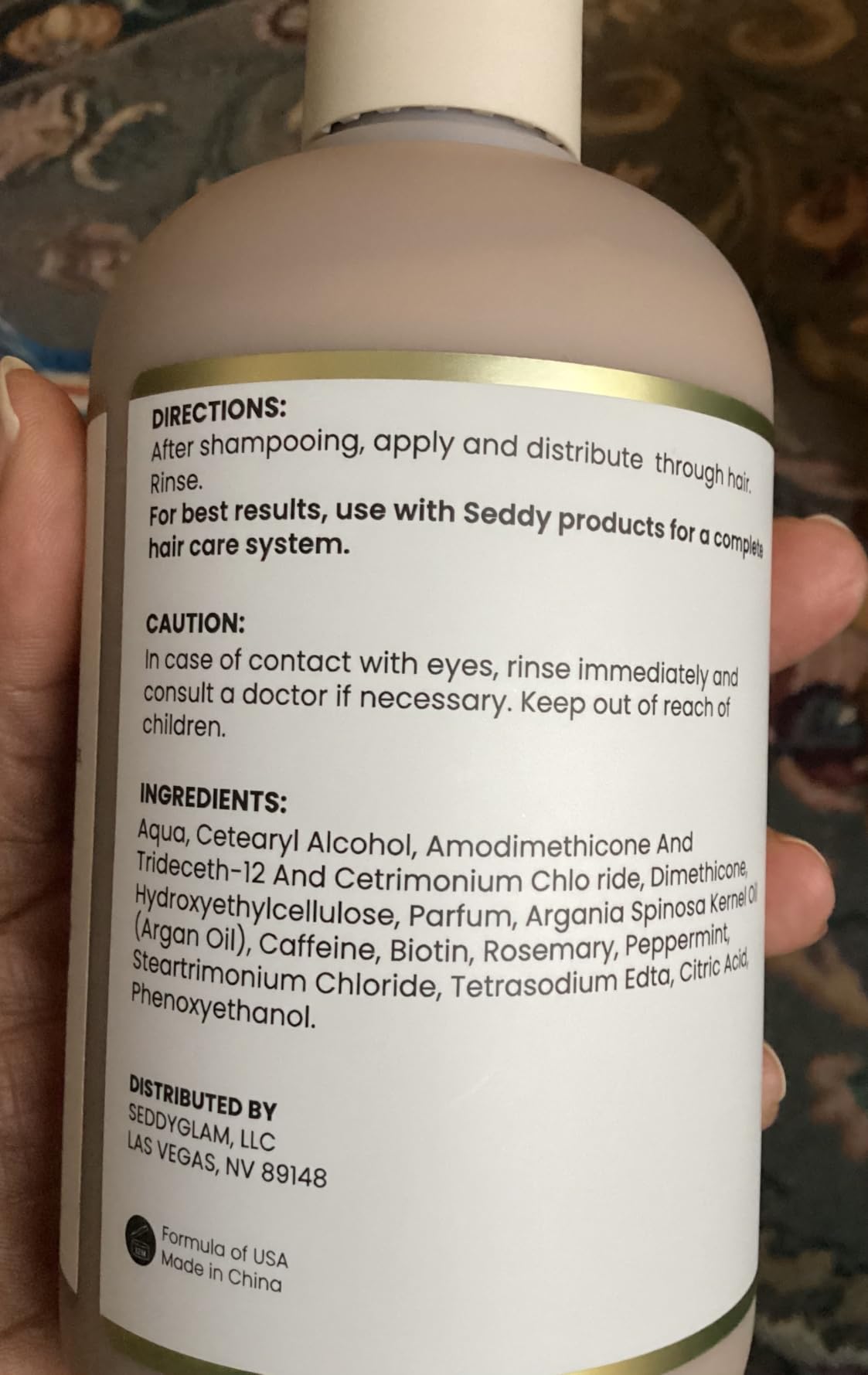
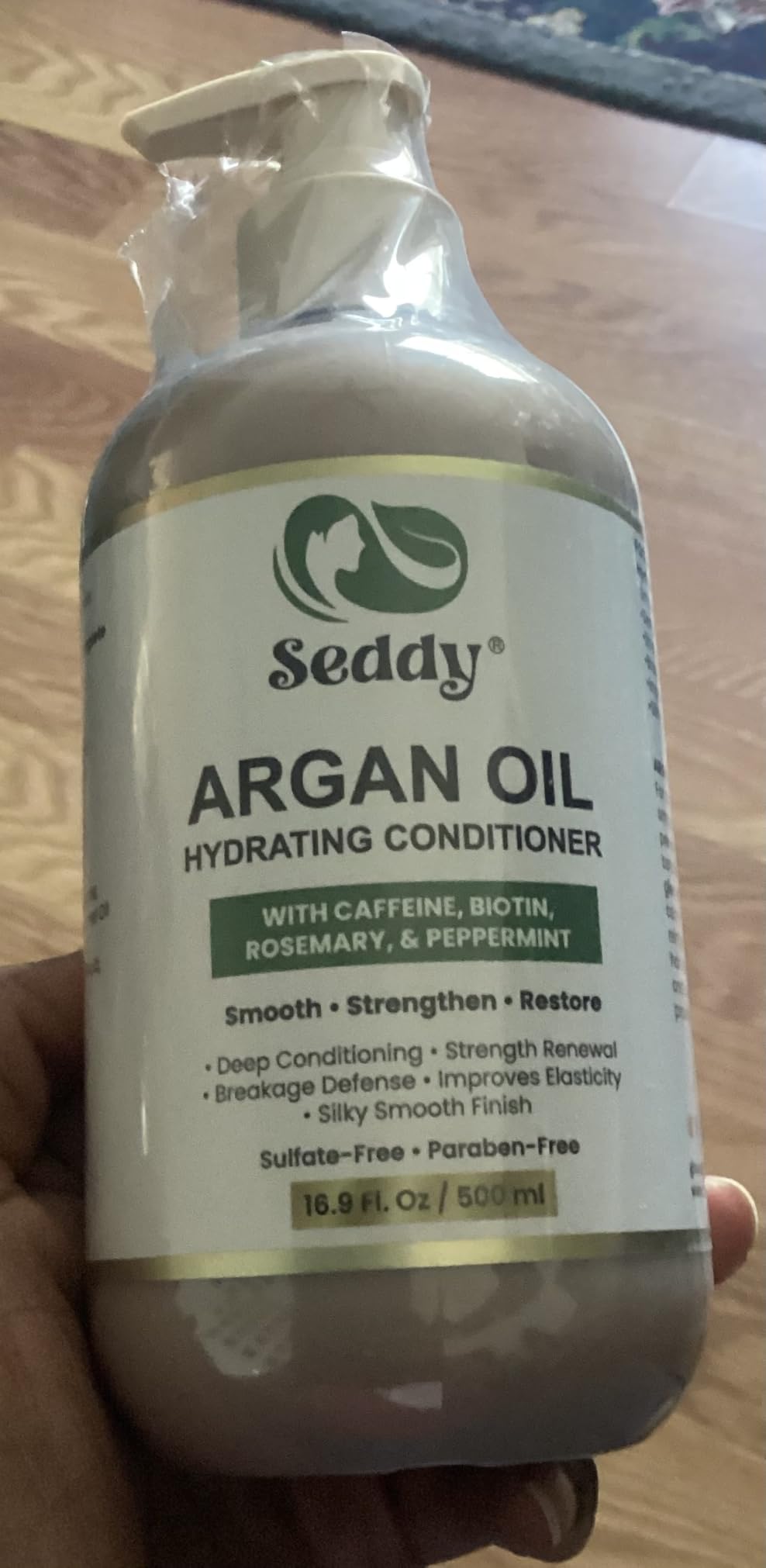
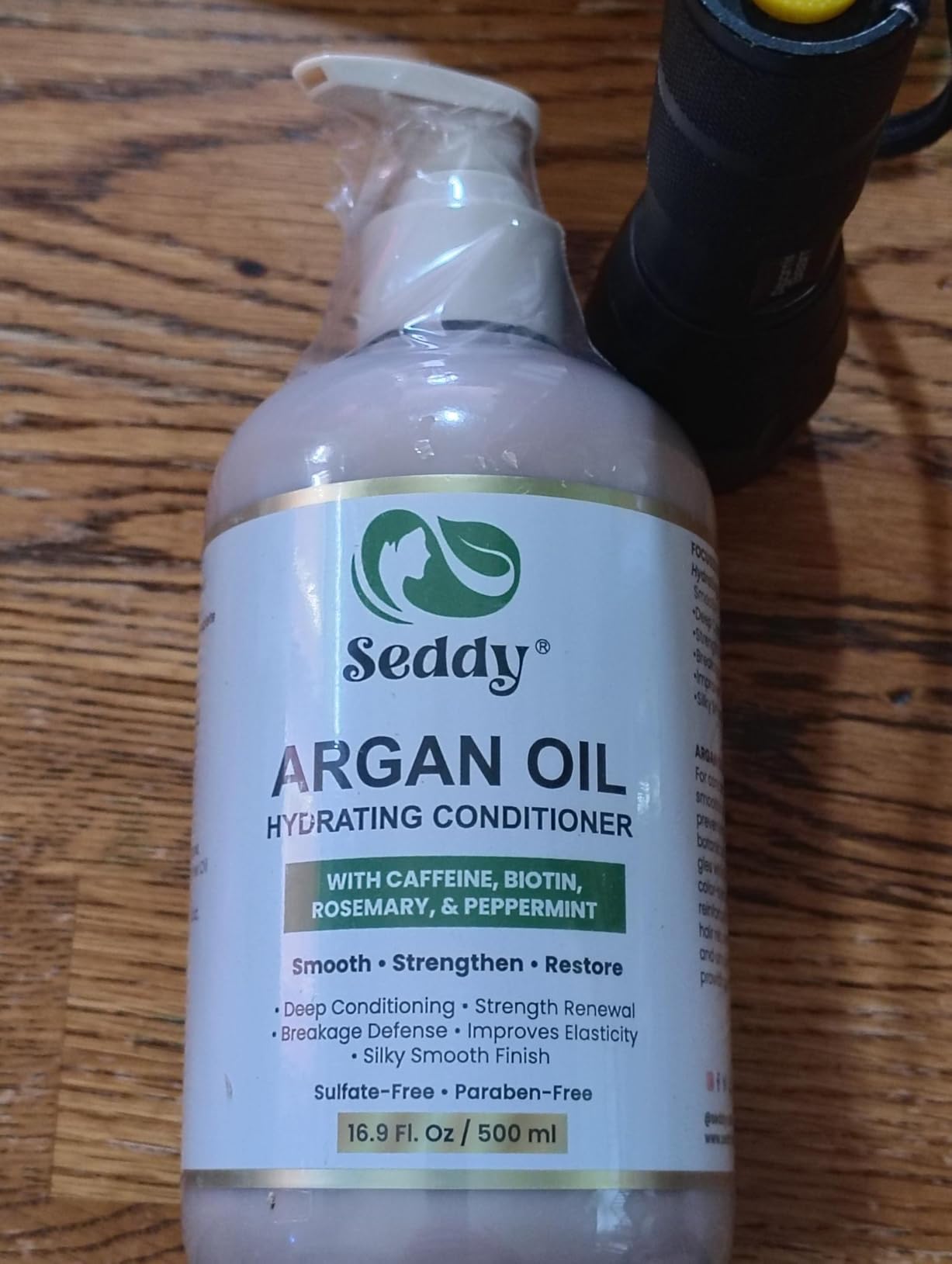
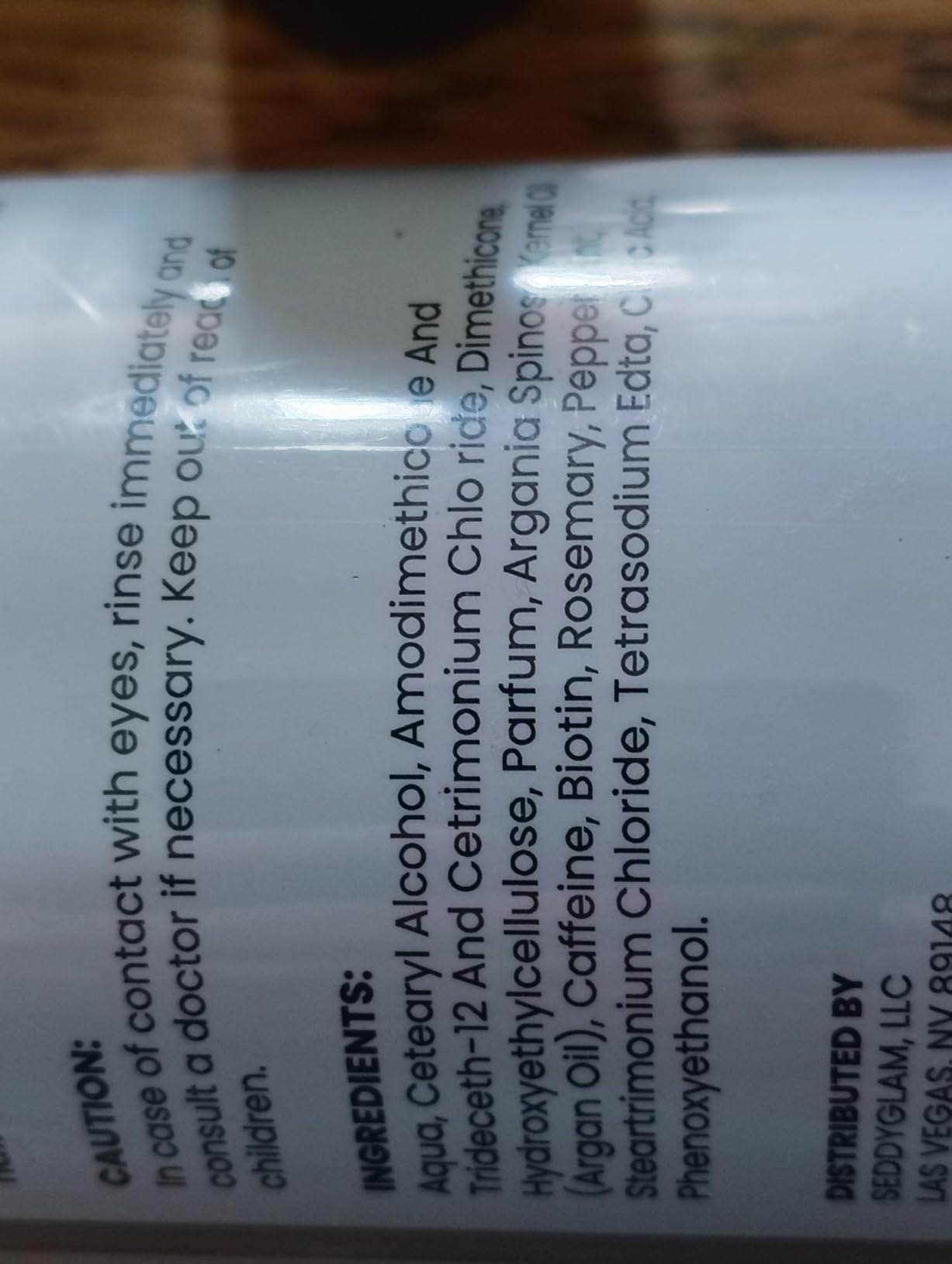
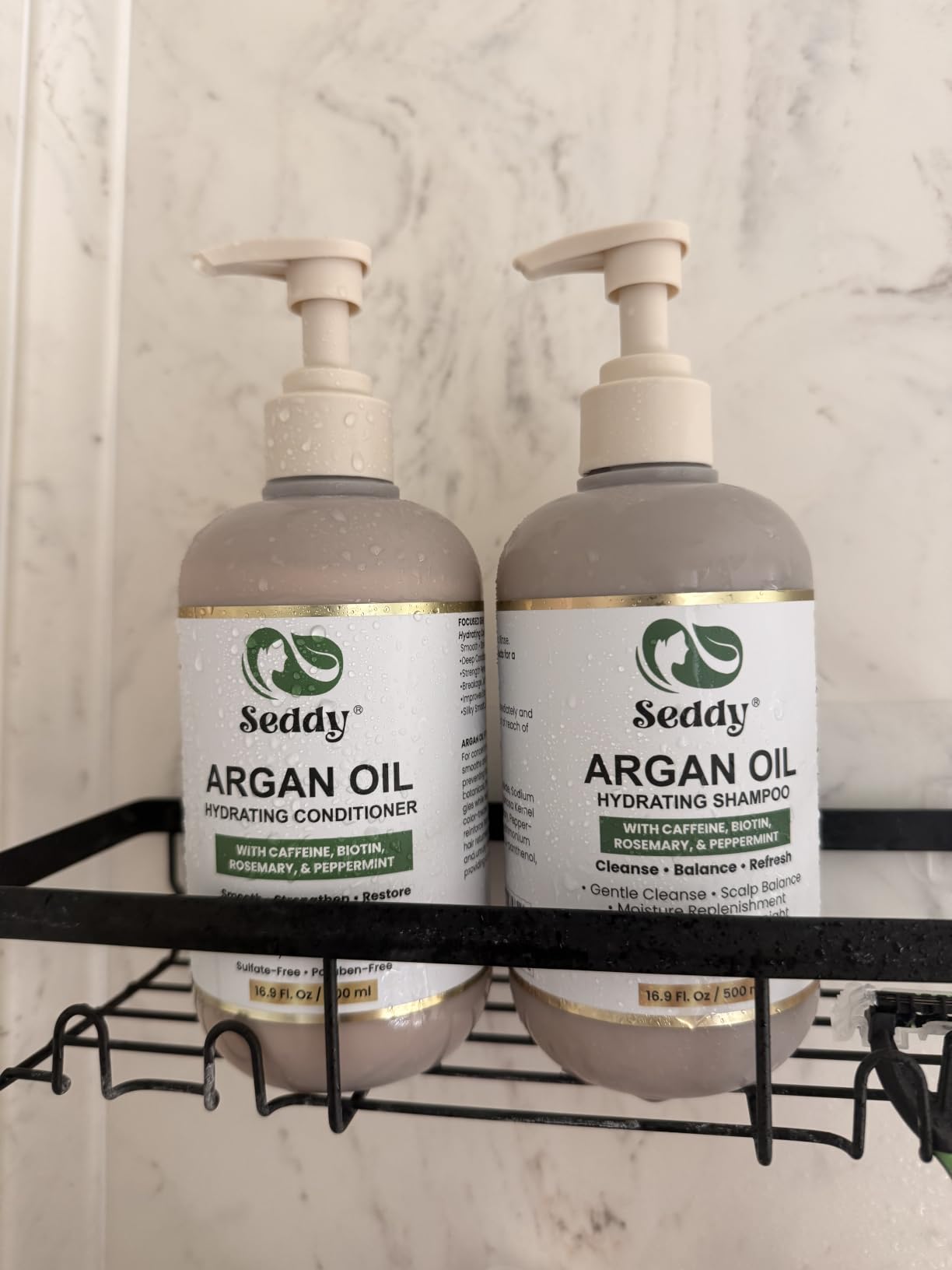
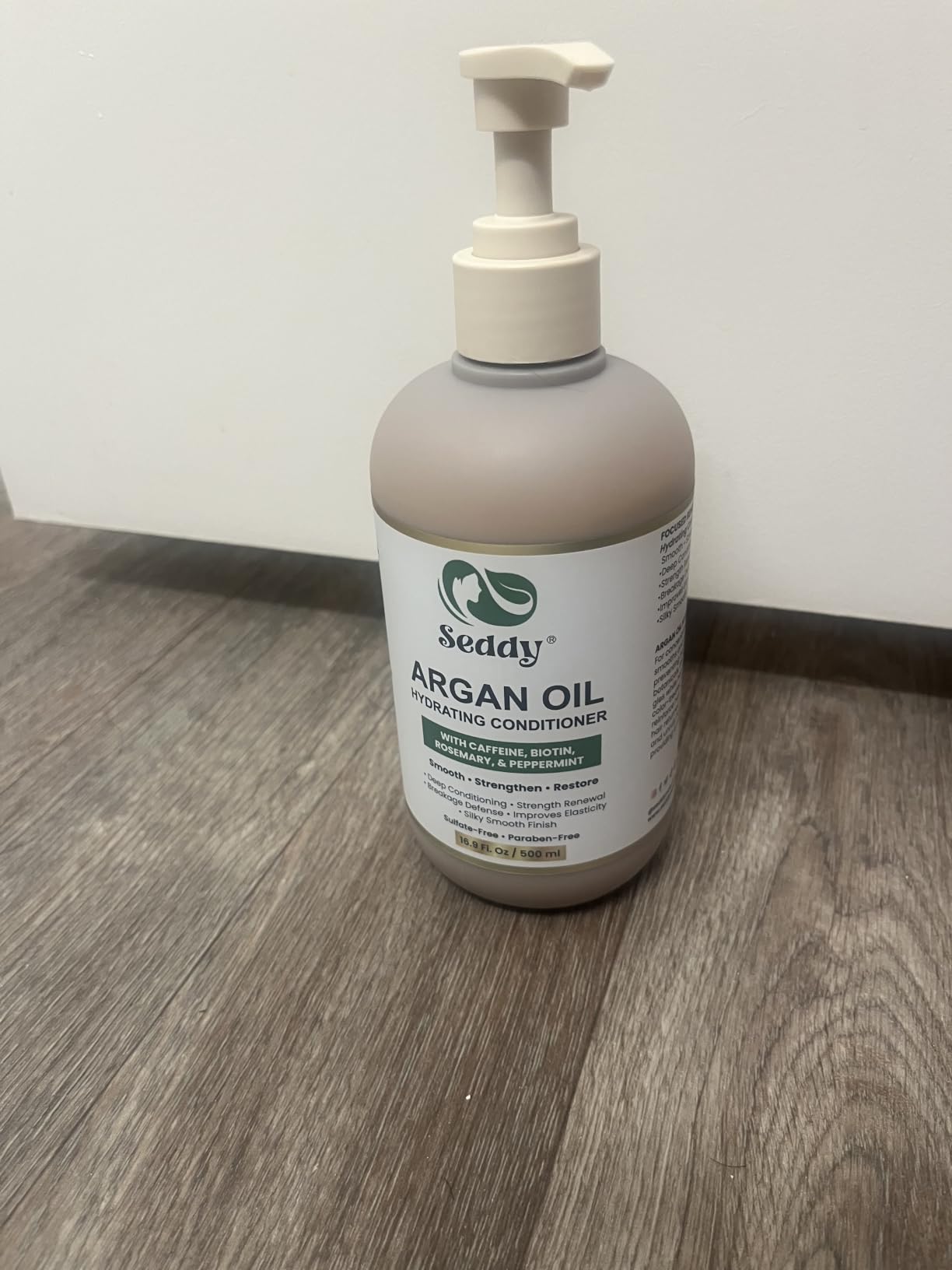
Im always looking for something that is sulfate and irritant free and won’t dry out my hair. This conditioner is sulfate and paraben free and has a decent ingredient list. It has a very strong intense scent of mint so if you’re not a fan of that, this one might be too strong for you. Initially, after applying the conditioner, it didn’t seem to dry out my hair. It did seem to provide a decent level of moisture to it. I can’t say that it’s the perfect fit for my type of hair as my hair is extremely finicky but it’s a decent conditioner to have on hand. It is a pretty big hefty bottle, but it’s also a bit higher priced than some of the natural items that I purchase. It’s hard to know at the moment if it’s claims of strengthening and restoring our true as that’s something that takes time to find out.
Seddy conditioner gets my hair soft and shiny. The cream has a peppermint and rosemary smell, to me it’s not too strong. The conditioner has ingredients I typically look for in shampoo and conditioner: Argan Oil, Caffeine, Biotin, Rosemary Oil, and Peppermint Oil. Rosemary is a must for my hair care products. The conditioner is sulfate and paraben free. This product has quality ingredients.
I have been using the Seddy conditioner for a few weeks. I wash my hair once a week and it is noticeably softer and more manageable. The cream is not too heavy. After washing my hair, I leave the conditioner for a few minutes and detangle my hair. My hair is less frizzy and feels moisturized. My scalp does feel fresh and a little tingly making me feel like my scalp is clean and hydrated.
The conditioner is a bit expensive but I have to admit my hair does feel softer, shinier, and hydrated after use. This conditioner has become a part of my regular hair care process. I can’t wait to try the shampoo and other products. This is an effective conditioner and I fully recommend it.
My wife wanted to try this product for moisturizing her curly hair. As the instructions say, she's been applying to her hair after shampoo and rinse, rubbed it in the full length of hair , left the product in for 2 minutes, then rinsed away. She thought it was moisturizing and gave her hair some additional shine. She was skeptical of the peppermint and rosemary claims, but found the minty smell just fine. Mentioned a possible slight tingling in the scalp. The price was a bit higher than most competitors, but not outrageously so. There was a lot number, but no manufacturing date. The 3 year til expiration date seemed reasonable.
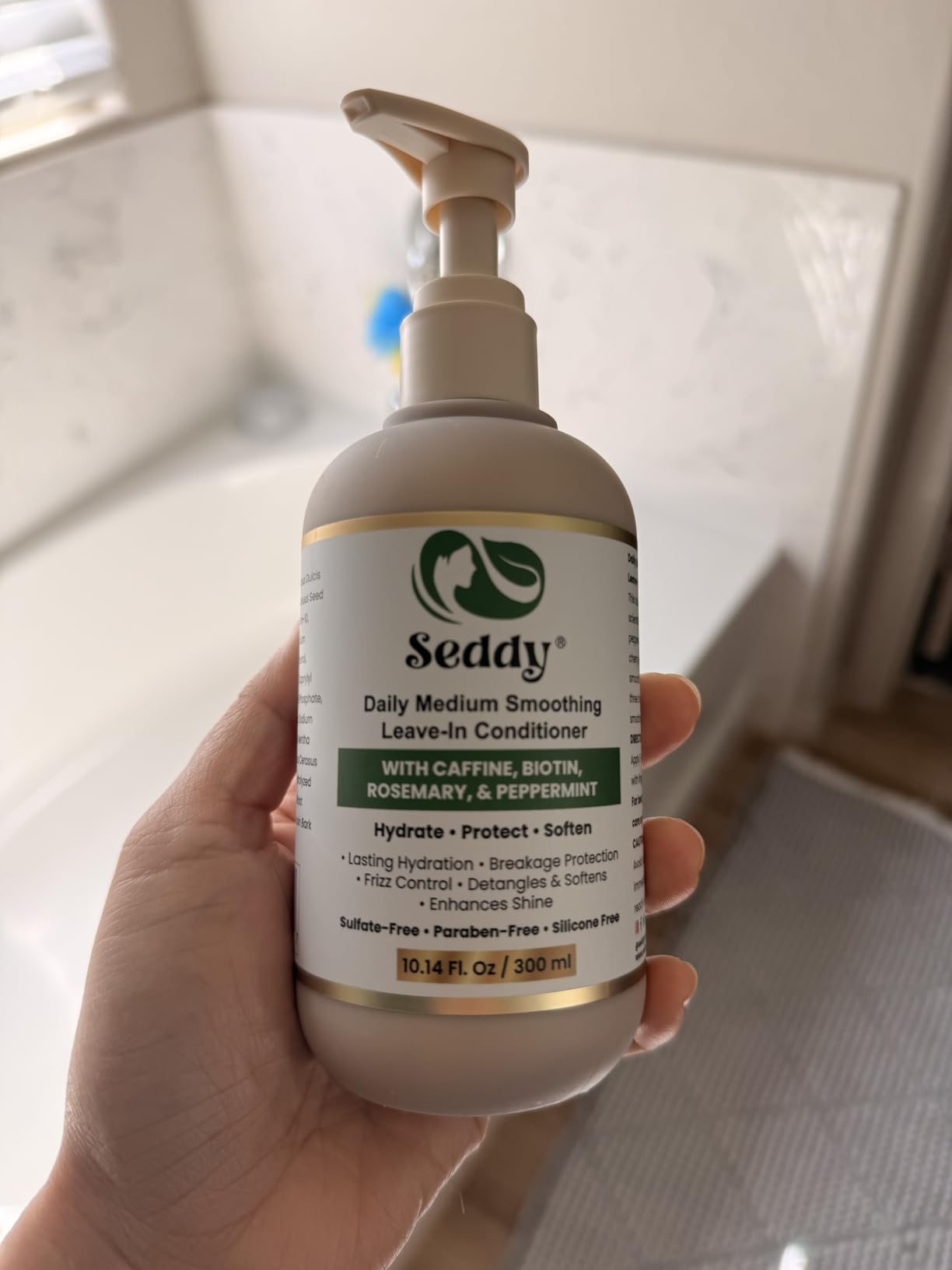
My husband and I actually share this conditioner, and we both love it! We have different hair types, but somehow it works really well for both of us. Our hair feels so much softer, smoother, and healthier after using it. We’ve definitely noticed better results when we use it along with the shampoo and leave-in conditioner from the same line. I highly recommend using all three together for the best results!
I got to try this leave in conditioner, and I really love it! It leaves my hair soft, smooth, shiny, and easy to manage without feeling heavy. I highly recommend it!