

Why Black Hair Breaks Moisture Retention vs. Hair Growth

Why Black Hair Breaks Moisture Retention vs. Hair Growth: And How Oils Solve the REAL Problem
Why Black Hair Breaks Moisture Retention vs. Hair Growth. One of the most widespread myths in the hair community is that Black hair “doesn’t grow.” But the truth is far more empowering: Black hair grows at the same average rate as any other hair type — about half an inch per month. The challenge is not growth. The challenge is retention. Black hair is naturally curly, coily, or kinky. These curls form beautiful spirals, but they also create bends along the hair shaft that make it difficult for natural scalp oils (sebum) to travel down the strand. Without adequate lubrication, the hair becomes dry, fragile, and prone to breakage — especially at the ends, which are the oldest part of the hair.
This is why many people feel like their hair has “stopped growing,” when in reality, the new growth is happening at the roots but breaking off at the ends just as fast.
This blog breaks down the science behind moisture retention, why Black hair breaks before it has a chance to grow long, and how the right natural hair growth oils — especially oils infused with rosemary, peppermint, caffeine, argan, and castor — solve the real problem blocking length retention.
Learn why oils like our Seddy Hair Growth Oilare essential for moisture retention.

Understanding Black Hair: Why Structure Matters
Black hair is structurally unique. Each coil, bend, and curl causes a slight flattening of the cuticle, making the strands less smooth than straight hair. The tighter the curl pattern, the harder it is for natural sebum to move down the strand. Without sebum coating the hair, moisture escapes quickly, leaving the hair dehydrated and vulnerable.
This dryness is not a sign of damage — it is simply the natural physiology of textured hair. But when dryness meets friction, environmental stress, winter cold, heat styling, tight protective styles, or inadequate moisture routines, breakage becomes inevitable.
And here lies the core truth:
Read more: Wash Day Doesn’t Have to Be Scary: Tips for Natural Hair Care
Hair growth is a biological process. Length retention is a care process.
Moisture retention is the ability of your hair to stay hydrated after water has been added, and it plays a massive role in whether your hair thrives or breaks. Black hair loses moisture faster than any other hair type because its natural curls create tiny openings along the strand where hydration easily escapes. When the hair dries out too quickly, ends begin to split, strands snap, knots form, breakage increases, and growth appears “stuck” at the same length—even though the hair is still growing at its normal rate. The real issue isn’t that your hair isn’t growing; it’s that moisture isn’t staying long enough to protect the strand and preserve that growth. This is exactly where oils become essential—they seal hydration in, strengthen the cuticle, and help your hair retain length instead of losing it to dryness and breakage.
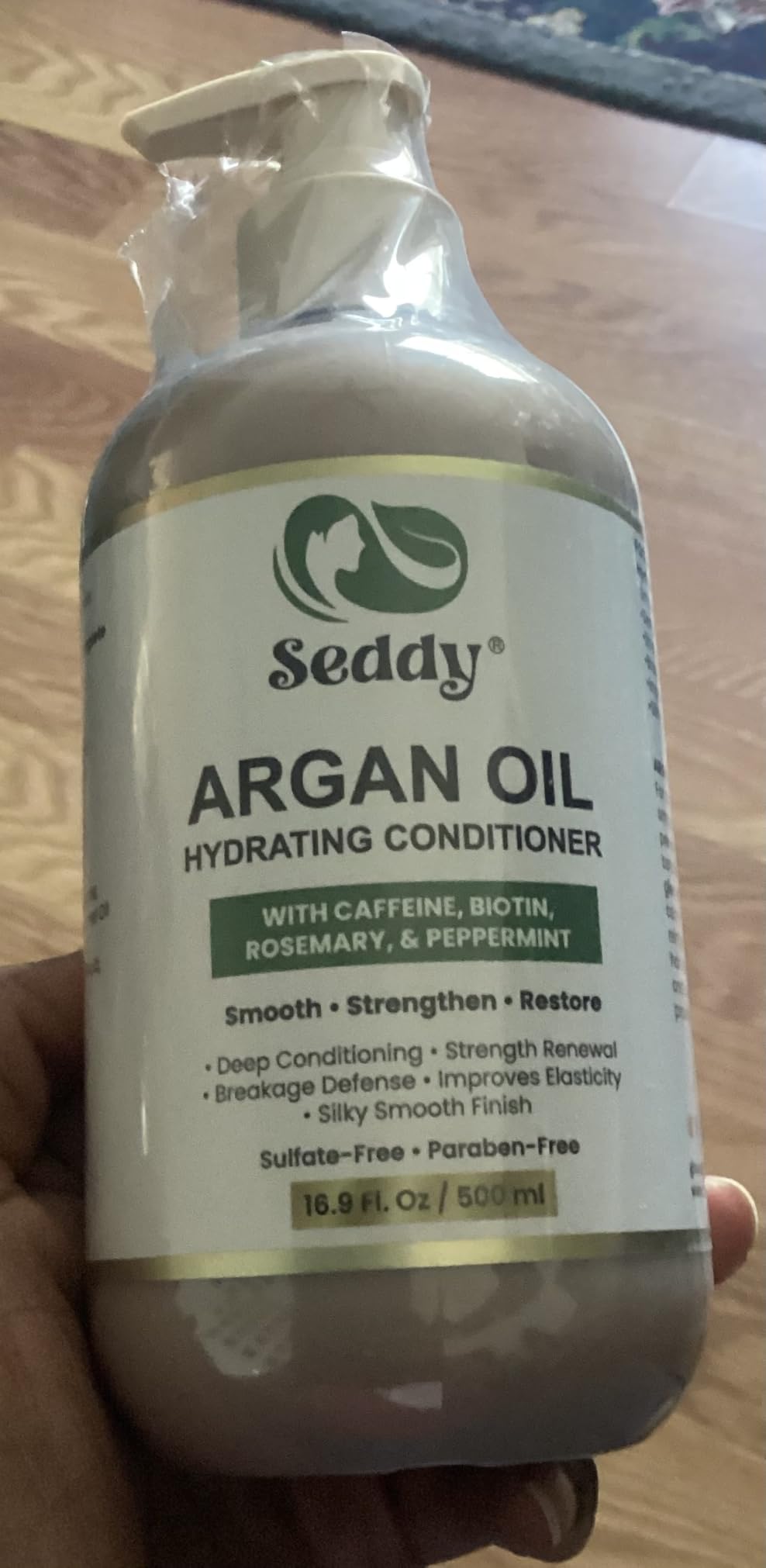
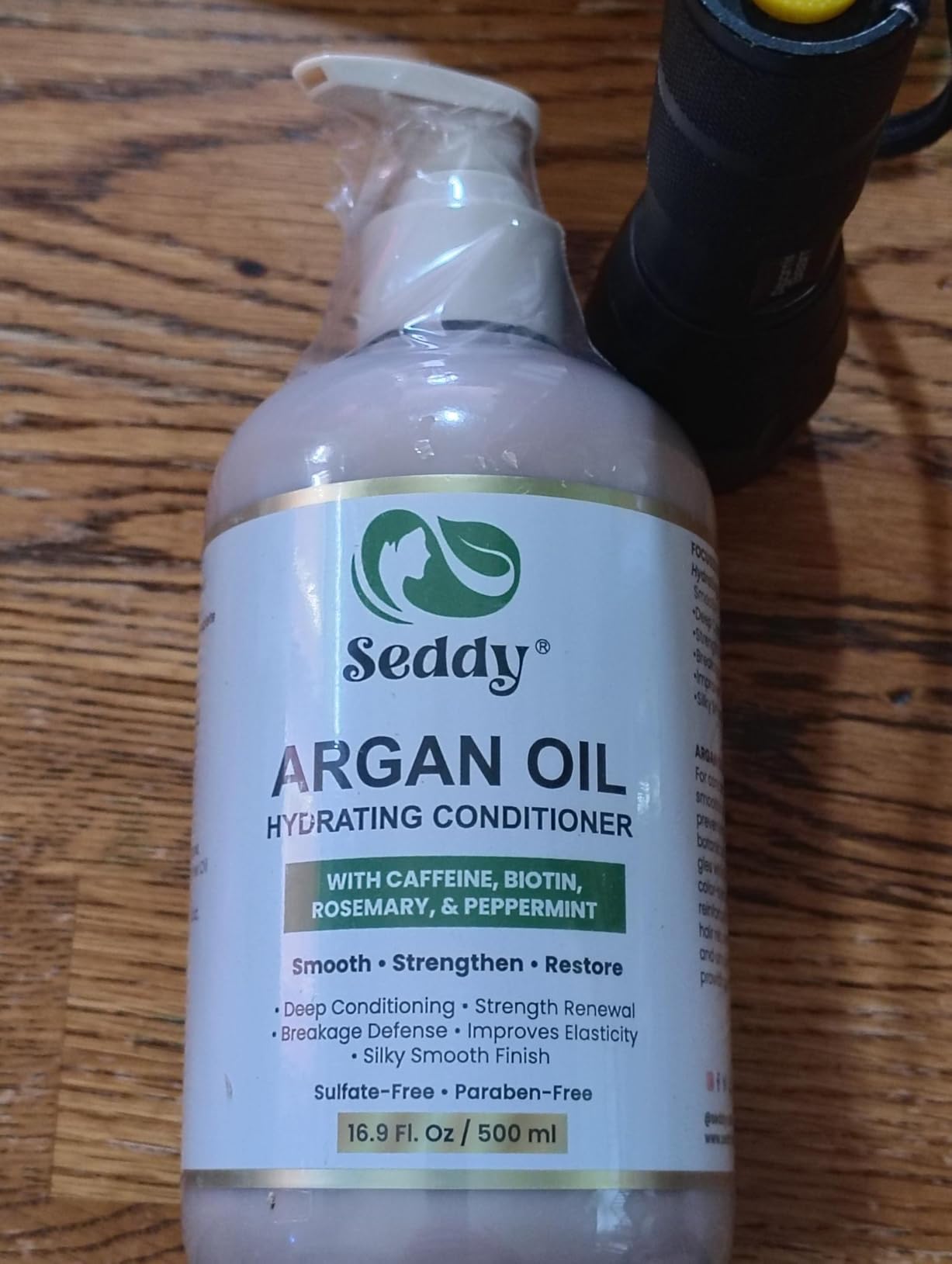
This is why consistent sealing with Seddy Jamaican Black Castor Oil with Rosemary & Peppermint is so important.
The Role of Natural Hair Growth Oils in Retaining Length
While oils cannot technically “add moisture” (because moisture is water), they play a crucial role in protecting and sealing hydration within the hair shaft. The right oils reduce moisture evaporation, lubricate curls to prevent friction, strengthen the cuticle, smooth rough or dry patches, restore elasticity, reduce breakage at the ends, support scalp health, stimulate blood flow to the follicles, and encourage healthier, stronger growth. This powerful dual effect—strengthening the hair strand while improving the scalp environment—makes oils the cornerstone of Black hair growth routines. Still, not all oils work the same; some penetrate deeply into the strand, others seal in moisture, and others focus on stimulating circulation. Understanding how each category functions is the key to choosing the most effective hair growth oil routine.
Penetrating Oils vs. Sealing Oils: Why You Need Both
Black hair requires a combination of oils that penetrate and oils that seal.
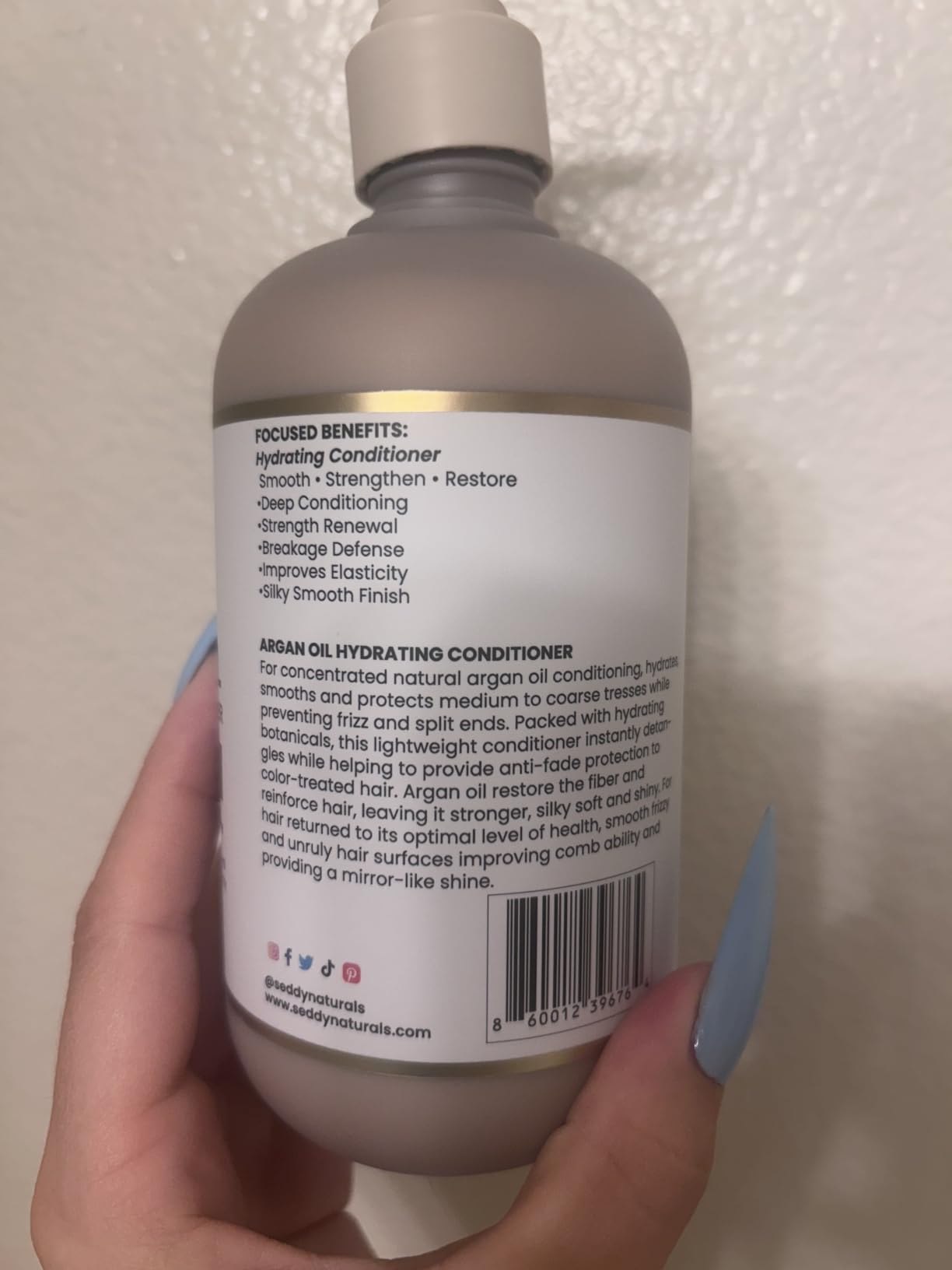
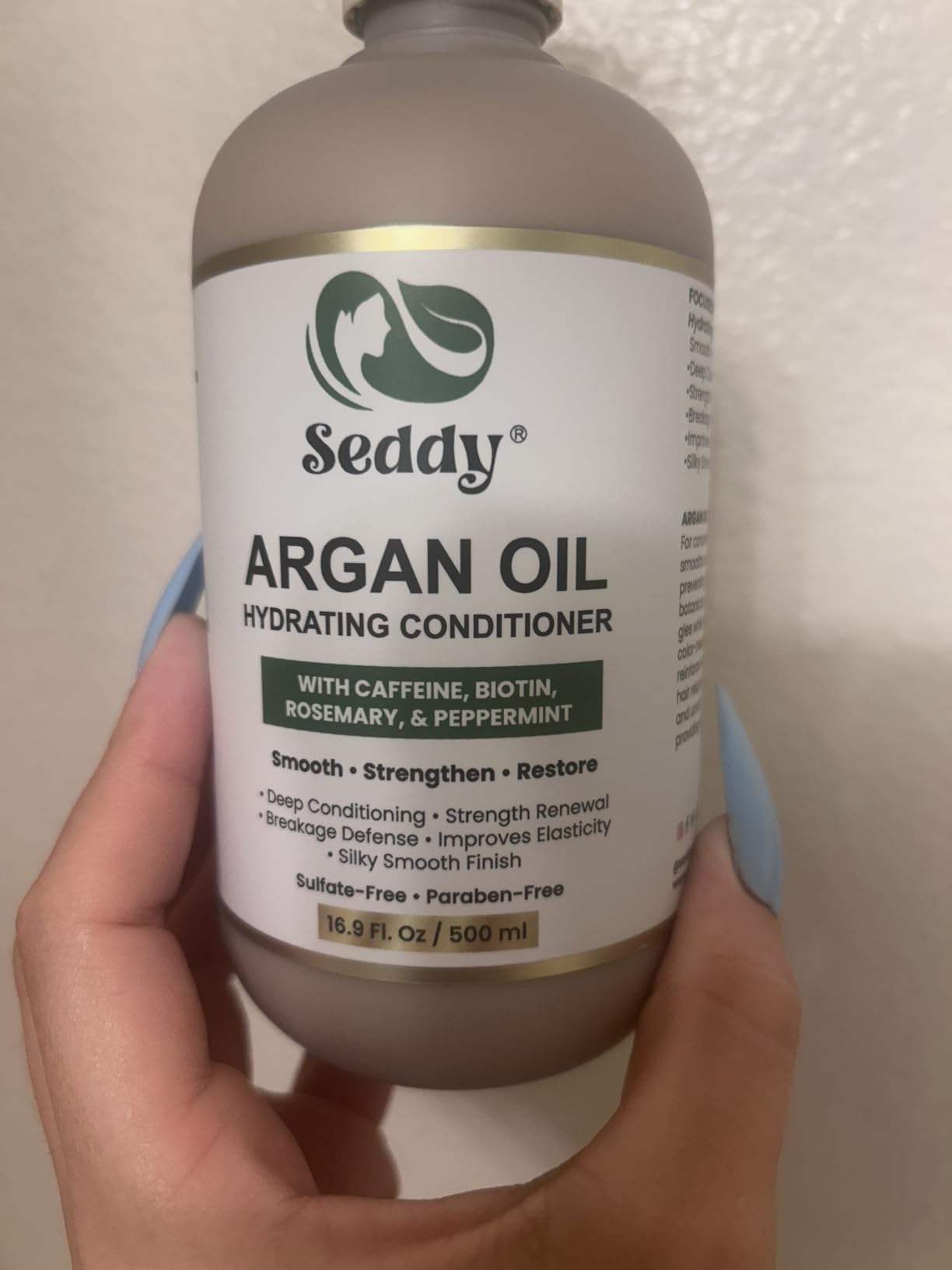
Penetrating oils, like argan and coconut (used sparingly for low-porosity hair), move inside the hair shaft to improve structure and elasticity from within.
Sealing oils, like Jamaican black castor oil or grapeseed, coat the outside of the strand to lock moisture inside.
Stimulating oils, like rosemary, peppermint, and caffeine-infused blends, improve circulation to the follicle and strengthen roots.
The most powerful hair growth oils combine all three categories to support:
- Moisture retention
- Scalp stimulation
- Breakage reduction
- Stronger hair shaft integrity
This holistic approach is why natural oils are essential for Black hair seeking longer length.
The Science Behind Breakage: Why It Happens So Easily
Breakage doesn’t happen because the hair is weak—it happens because the hair is dry. As strands become more dehydrated, they grow rigid, losing their ability to bend or stretch, which makes them snap easily under even the slightest tension. The ends of Black hair are especially vulnerable because they are typically the driest, and once those ends break faster than the hair grows, length retention comes to a complete halt. Dryness also creates friction, friction leads to tangles, tangles create tension, and that tension eventually causes tearing—destroying the very length you’re trying to keep. Oiling helps break this cycle by lubricating the strands, melting tangles, and shielding the ends from environmental damage. This is why consistent oil use gives the appearance of faster growth—not because oils magically grow hair overnight, but because they stop the constant breakage that prevents length from accumulating over time.
See how Seddy Hair Growth Oilreduces breakage from day one
Comparison Table: Best Oils for Black Hair Growth & Moisture Retention
Oil Type |
Benefits for Black Hair |
Best For |
Rosemary Oil |
Stimulates follicles, increases circulation, reduces shedding |
Slow growth, thinning areas |
Peppermint Oil |
Strengthens scalp barrier, reduces itch, supports blood flow |
Dry, itchy, irritated scalp |
Seals moisture, thickens strands, protects ends |
Breakage, dryness, coarse hair |
|
Argan Oil |
Penetrates hair shaft, softens curls, improves elasticity |
Low-porosity or brittle hair |
Stimulates follicle activity, reduces shedding |
Stalled growth, seasonal shedding |
|
Jojoba Oil |
Mimics natural sebum, balances scalp oils |
Oily scalp, buildup-prone hair |
This combination — stimulating, penetrating, and sealing — delivers the strongest growth and moisture retention synergy.
Why Black Hair Struggles With Moisture: The Cuticle Factor
The cuticle of Black hair is more lifted around bends. Each bend exposes tiny openings where water escapes quickly. This is why Black hair becomes dry faster and why simply applying a conditioner is not enough. Moisture moves in fast…and moves out even faster.
Oils slow this evaporation process, acting almost like a protective coat that keeps hydration inside the strand long enough for the hair to stay flexible and strong.
Without oils, the hair dries out within hours, and any stretch, tension, or manipulation triggers breakage.
How Oils Strengthen the Scalp for Better Growth
Healthy ends help you retain length, but healthy roots are what grow the length—and oils support both. On the scalp, natural hair growth oils reduce inflammation, improve follicle oxygenation, increase blood circulation, strengthen the follicle bulb, reduce shedding, and create a healthier pH environment for growth. Since inflammation at the scalp is a silent killer of hair growth, oils infused with rosemary, peppermint, and caffeine help counteract that inflammation and reawaken sluggish follicles. The result is stronger, thicker, healthier new growth that can actually stay on your head because the ends are protected and the roots are thriving.

Why Consistency Matters More Than Anything Else
Black hair doesn’t fail because of bad genetics—it fails because of inconsistent protection. Moisture retention routines require regularity, scalp oiling requires discipline, and protecting the ends requires awareness. When the hair is consistently shielded, growth becomes visible; but when it’s neglected even briefly, breakage increases, ends split, moisture evaporates, and length quickly stagnates. This is why so many people notice dramatic improvements after 60–90 days of consistent scalp oiling and end sealing. The growth itself hasn’t suddenly sped up—what’s really happening is that breakage has finally slowed down enough for length to accumulate and stay.
Winter, Summer, and Protective Styles: How Oils Support Every Season
Black hair behaves differently throughout the year.
Winter: Cold, dry air pulls moisture from the hair. Indoor heating accelerates dryness. Oils prevent evaporation and soothe winter scalp irritation.
Summer: UV light dries the hair and lifts cuticles. Oils provide UV protection and lock moisture inside the shaft.
Protective Styles: Braids, wigs, and weaves may protect the ends but strip the scalp of oxygen. Oiling keeps the scalp nourished and prevents itching, dryness, and tension-related breakage. Oils are the only universal treatment that benefits Black hair in every season and every style.
The End Goal: Stronger Strands + Healthier Scalp = True Growth
Once moisture retention is under control and breakage slows dramatically, hair growth becomes noticeable. Ends stay intact longer. Shedding decreases. Strands feel softer, smoother, and more elastic. The scalp becomes healthier, which encourages thicker new growth. This is why natural hair growth oils remain the heart of nearly every successful Black hair routine. When used consistently, they transform both the scalp and the strands, allowing length to accumulate and stay.
Frequently asked questions
1. Does Black hair really grow slower?
No. Black hair grows at the same rate as all hair types — retention is the issue.
2. Why does Black hair break so easily?
Dryness, friction, environmental stress, and inadequate moisture retention weaken the shaft.
3. Can oils really stop breakage?
Yes. Oils reduce moisture loss, lubricate curls, and strengthen the cuticle.
4. Which oil is best for Black hair growth?
A blend of rosemary, peppermint, caffeine, argan, and castor typically works best.
5. Can oils grow hair faster?
They improve scalp health and strengthen strands, which reduces breakage and supports growth.
6. Do oils clog pores?
Light oils like argan and jojoba rarely clog pores. Heavy oils must be used in moderation.
7. How often should I oil my scalp?
2–3 times per week is ideal for most people.
8. Should I oil my ends too?
Yes. Oil protects the oldest, driest part of the hair from splitting.
9. Can I use oils with protective styles?
Absolutely — oils help prevent dryness, itchiness, and tension damage.
10. How long until I see results?
Within 4–8 weeks, most people notice less breakage and visible growth.