

Understanding PCOS-Related Hair Thinning

What is PCOS and why it matters for hair
Polycystic Ovary Syndrome (PCOS) is a widely-seen hormonal condition among women of reproductive age. While its reproductive and metabolic effects are often discussed, one lesser-recognized symptom is hair thinning—particularly diffuse scalp thinning or widening of the part line.
When you have PCOS, your hormone balance shifts: androgen levels (male-type hormones such as testosterone and its stronger form DHT) may rise. These excess androgens can interfere with the normal hair-growth cycle and make certain scalp follicles more vulnerable.

How hormone changes translate into hair changes
Hair growth happens in phases: the growth (anagen) phase, the transition (catagen) phase, the resting (telogen) phase, and the shedding (exogen) phase. In PCOS, several things converge:
- Androgen (especially DHT) levels may increase and bind to hair-follicle receptors in sensitive areas (crown, part-line, temples).
- The growth (anagen) phase shortens, meaning less time for the hair to build length and diameter.
- Follicles shrink (miniaturize), leading to thinner, weaker shafts and eventually reduced hair density.
- Insulin resistance (common in PCOS) further aggravates androgen production, creating a vicious cycle of hormone imbalance and follicle stress.
Because of these mechanisms, women with PCOS might not only see slower hair growth but also notice their hair feels finer, their scalp more visible, or that styling options are fewer. It’s not just shedding—it’s a change in hair quality, quantity and resilience.
Leading factors behind PCOS-linked hair thinning
- Androgen excess – Elevated testosterone gets converted into DHT, which is highly androgenic and plays a key role in follicle shrinkage.
- Follicle sensitivity – Even moderate androgen levels can cause damage if your hair follicles are genetically more responsive to hormones.
- Insulin resistance & metabolic stress – High insulin levels trigger more androgen production by the ovaries (and sometimes the adrenals), increasing the effect on scalp follicles.
- Inflammation & oxidative stress – While less talked about, PCOS often correlates with low-grade inflammation and oxidative stress, which can impair the scalp environment and hair-follicle health.
- Lifestyle & diet interactions – Diets high in refined carbs, insufficient protein and essential nutrients, poor sleep or elevated stress all amplify the hormonal and follicle challenges.

What research shows about treating PCOS hair thinning
Addressing PCOS-related hair thinning requires two complementary approaches: one, regulate the hormonal drivers; two, support the scalp and follicles directly. Here’s how:
Medical or clinically guided options
- Hormonal contraceptives – Certain birth-control pills reduce androgen production or block androgen receptors, thus slowing hair-thinning in PCOS.
- Anti-androgen medications – Drugs like spironolactone help block the hormone signals at the follicle level, improving hair density in some studies.
- Topical treatments – Products such as minoxidil boost blood flow and prolong the growth phase of hair; can be effective for female pattern thinning.
- Advanced therapies – Techniques like platelet-rich plasma (PRP) injections or low-level laser/light therapies (LLLT) are being used to stimulate hair-follicle activity and improve density, though access and cost vary.

Lifestyle & follicle-support strategies
- Balanced diet and weight management – A moderate-glycemic, nutrient-rich diet plus maintaining a healthy weight can reduce insulin spikes, lower androgen levels, and indirectly improve hair health.
- Key nutrients – Ensuring sufficient intake of vitamins (D, B complex), minerals (zinc, iron) and amino-acids helps hair-follicle protein production and resilience.
- Scalp health habits – Regular gentle scalp massages, reducing friction from tight hairstyles, and maintaining good scalp circulation support follicle vitality.
- Stress and sleep management – High cortisol (from chronic stress) worsens hormonal dysregulation; mindfulness, quality sleep and movement can reduce this impact.
- Choose targeted hair-care tools and routines – Using lightweight, supportive oils or serums; avoiding heavy build-ups; protecting from heat, bleach and mechanical damage will help preserve fragile follicles.

Putting together a practical action plan
- Step 1: Talk with your healthcare provider. If you suspect PCOS is behind your hair thinning, a full hormone work-up (androgens, insulin, thyroid) helps guide the best path.
- Step 2: Create a scalp-support routine. For example: twice-weekly scalp massage for 3–5 minutes; use of a light hair-growth-support oil; avoid tight styles and frequent thermal/chemical damage.
- Step 3: Optimize your diet and lifestyle. Focus on whole-foods, lean protein, fiber, lower refined sugars, moderate exercise and regular sleep.
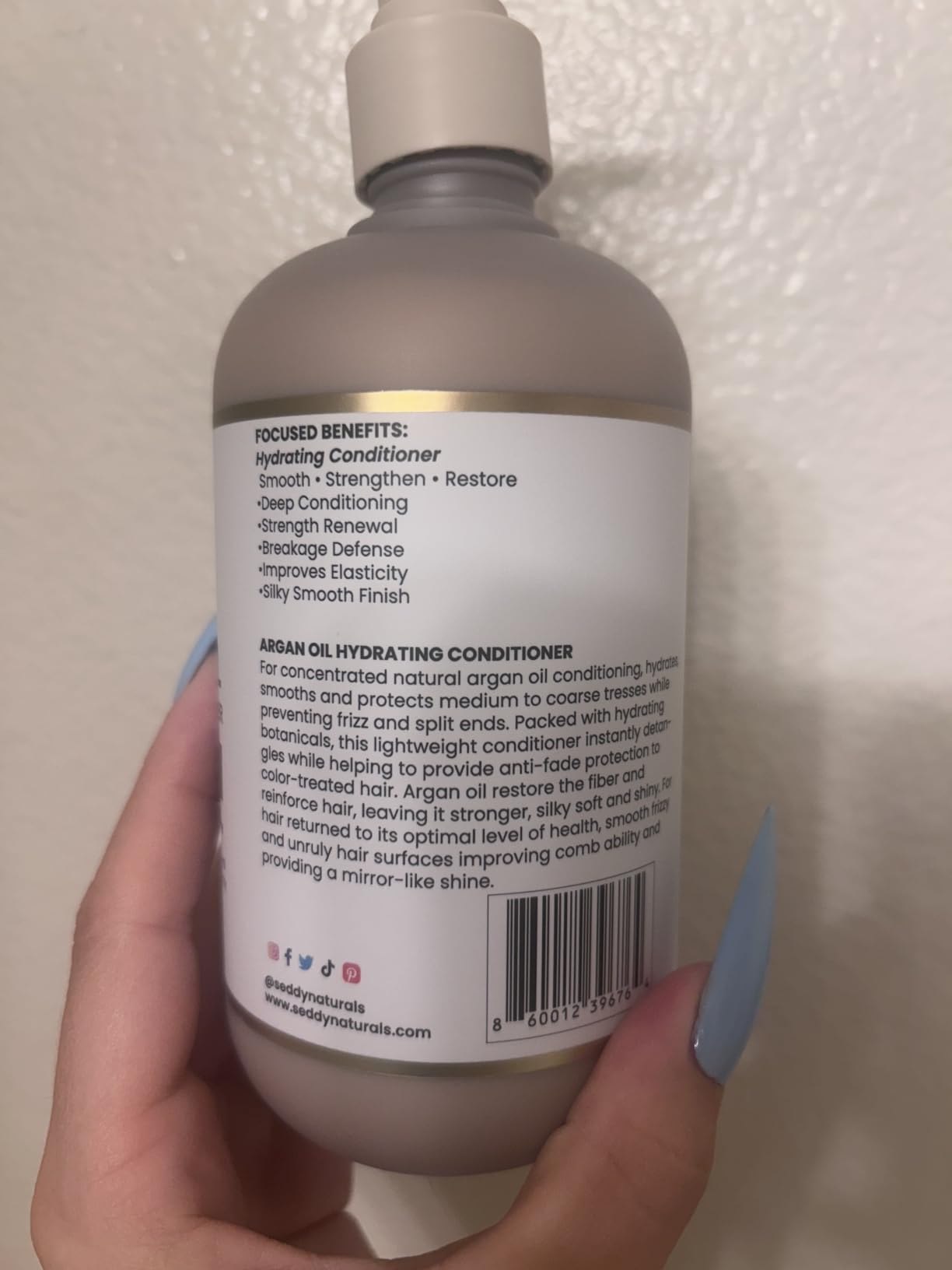
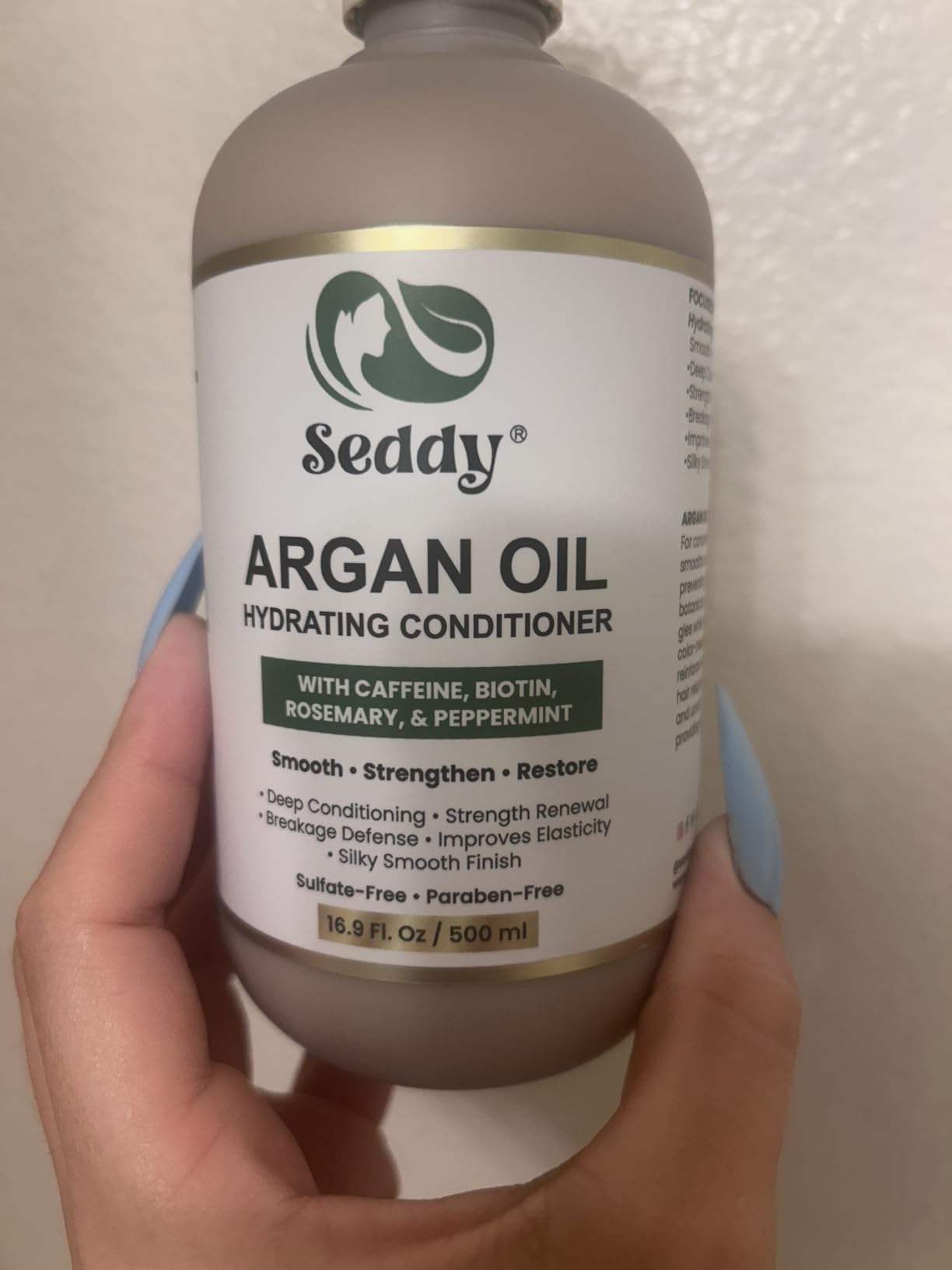
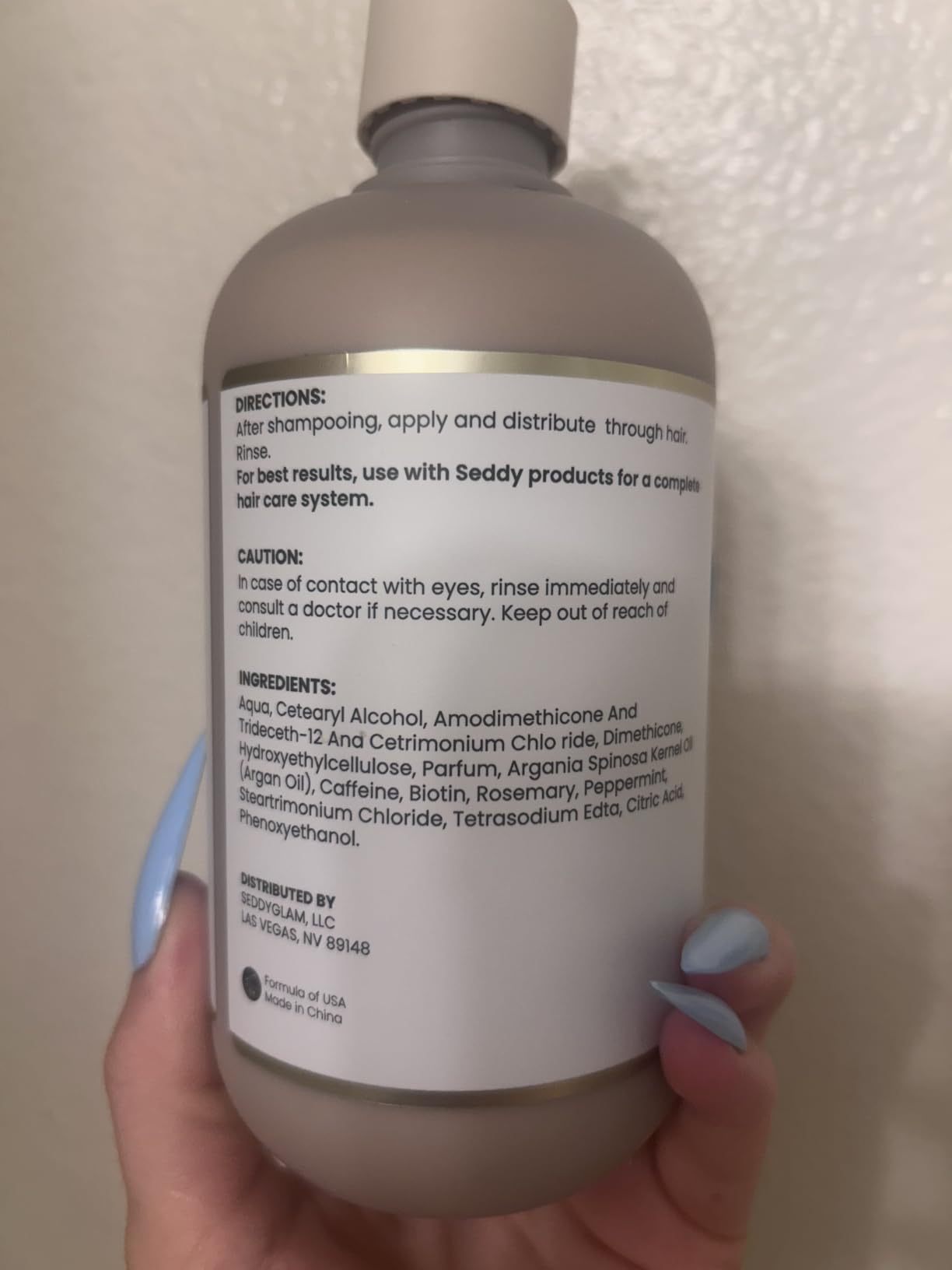
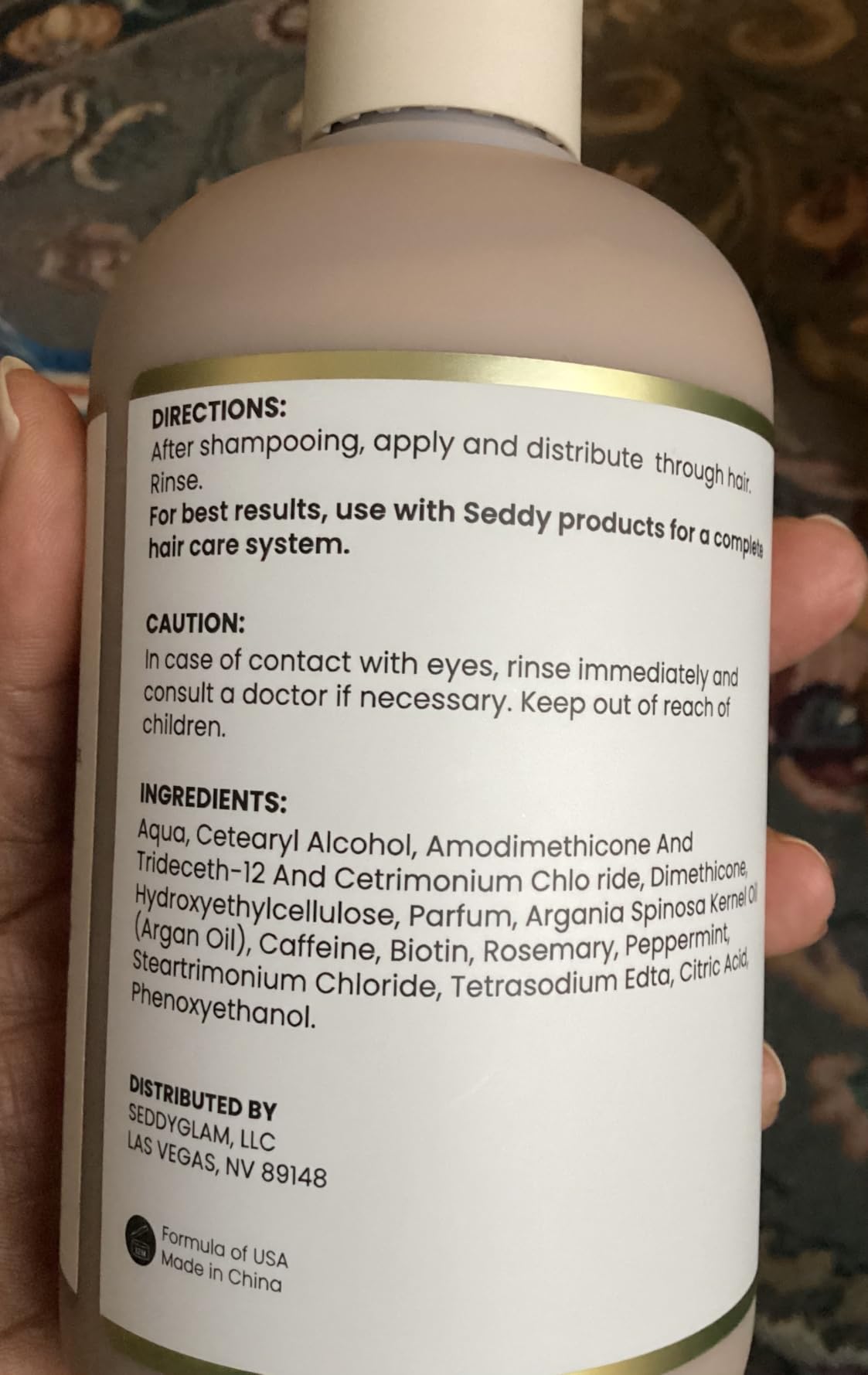
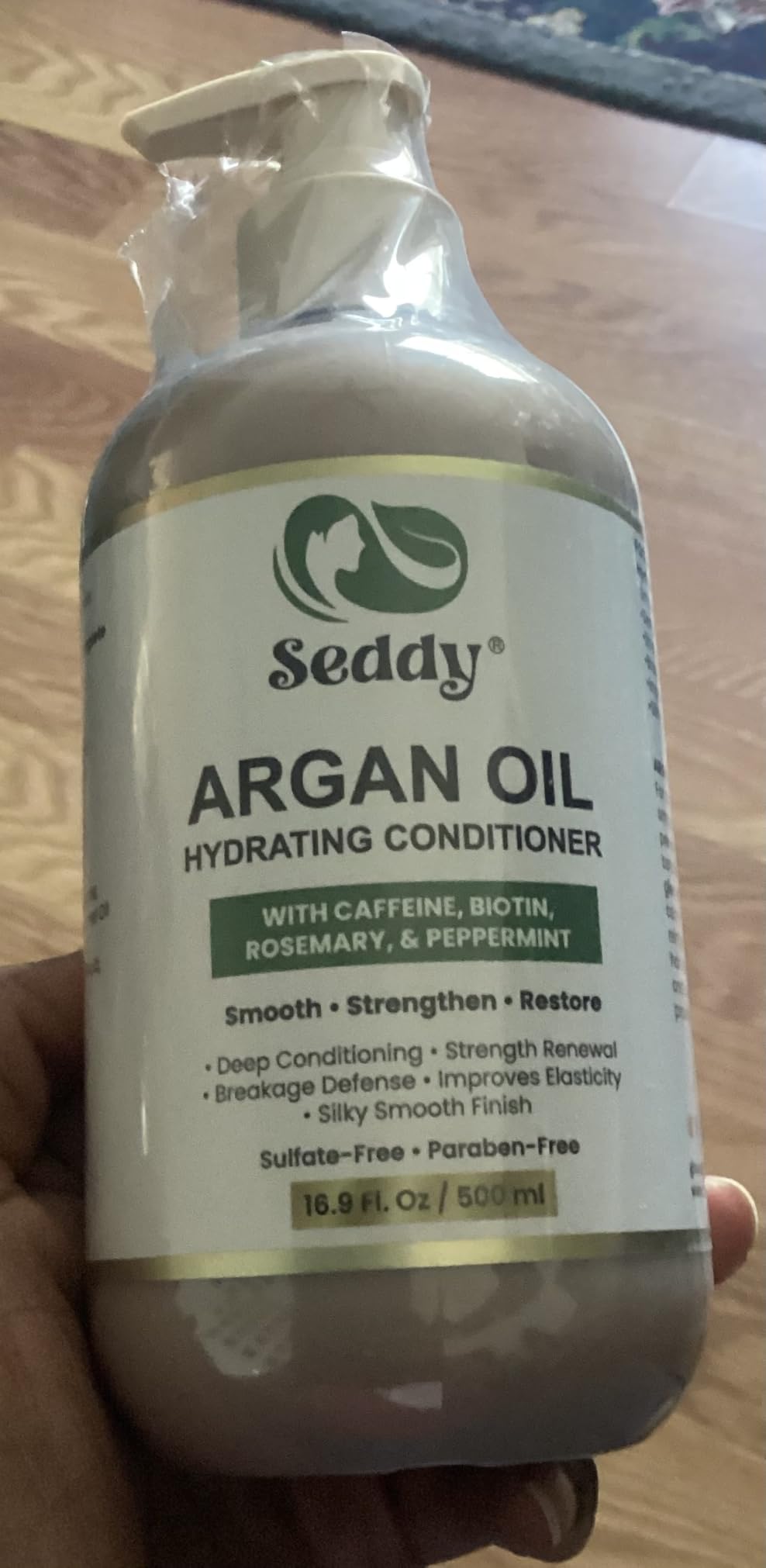
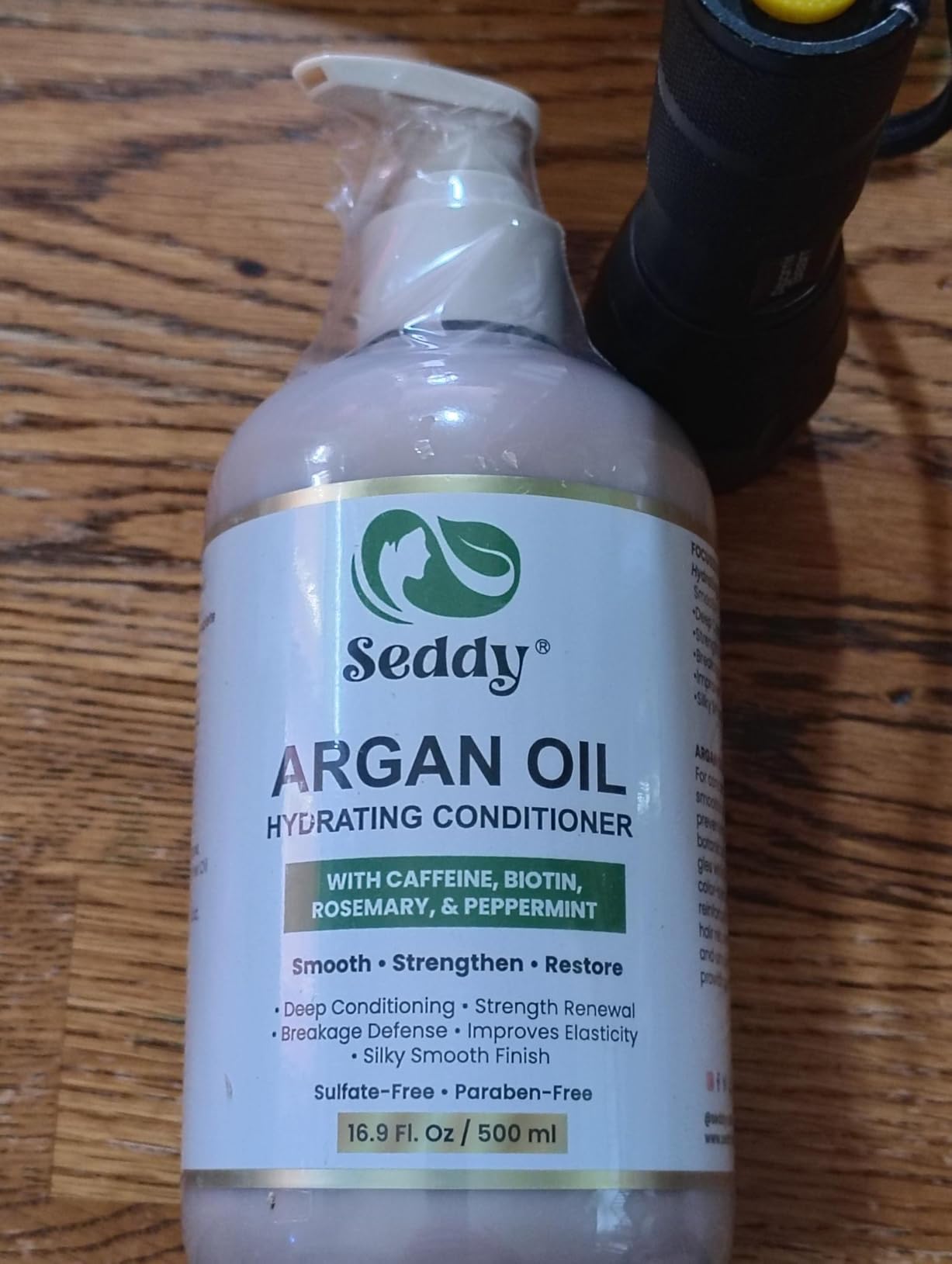
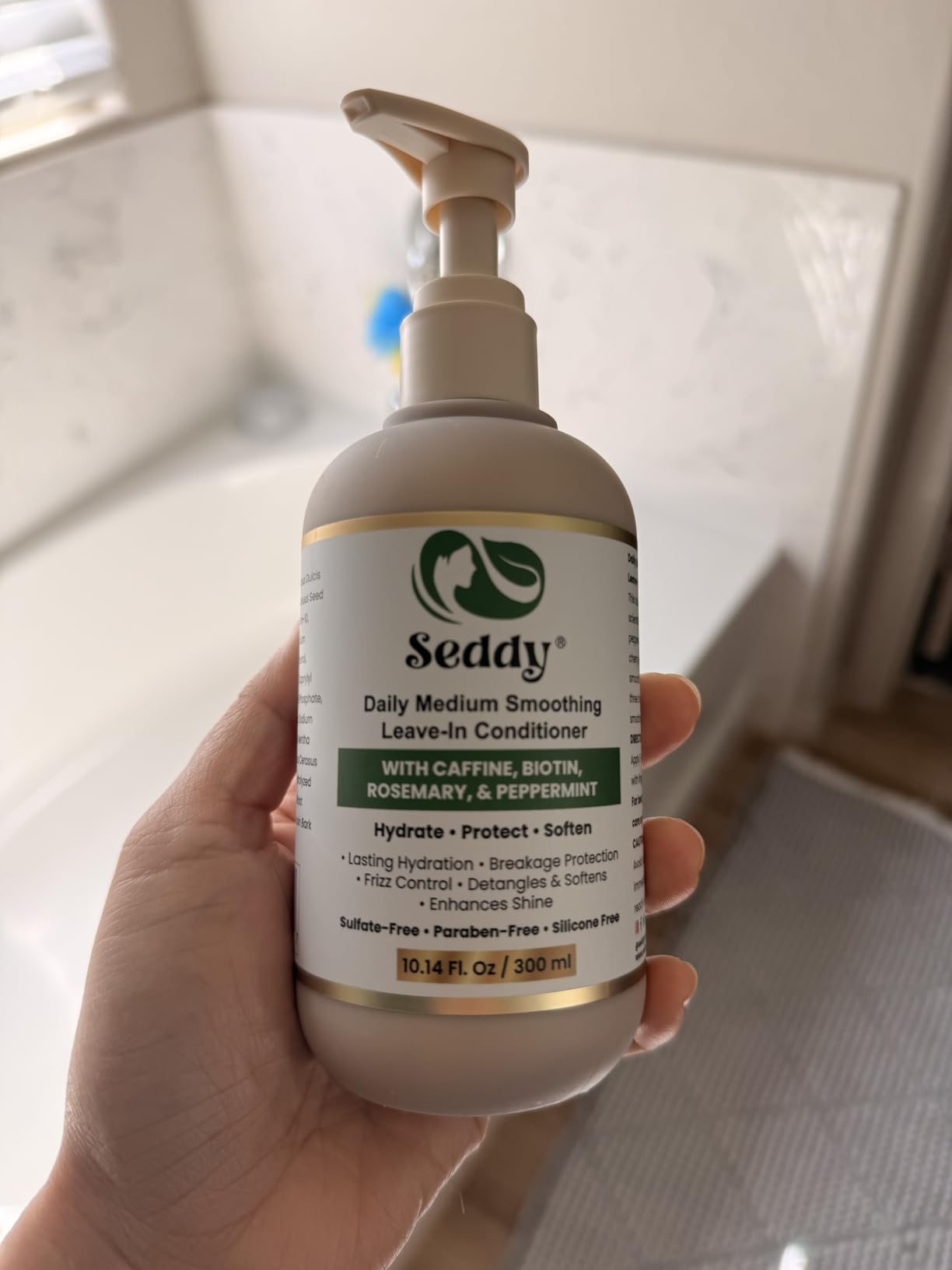
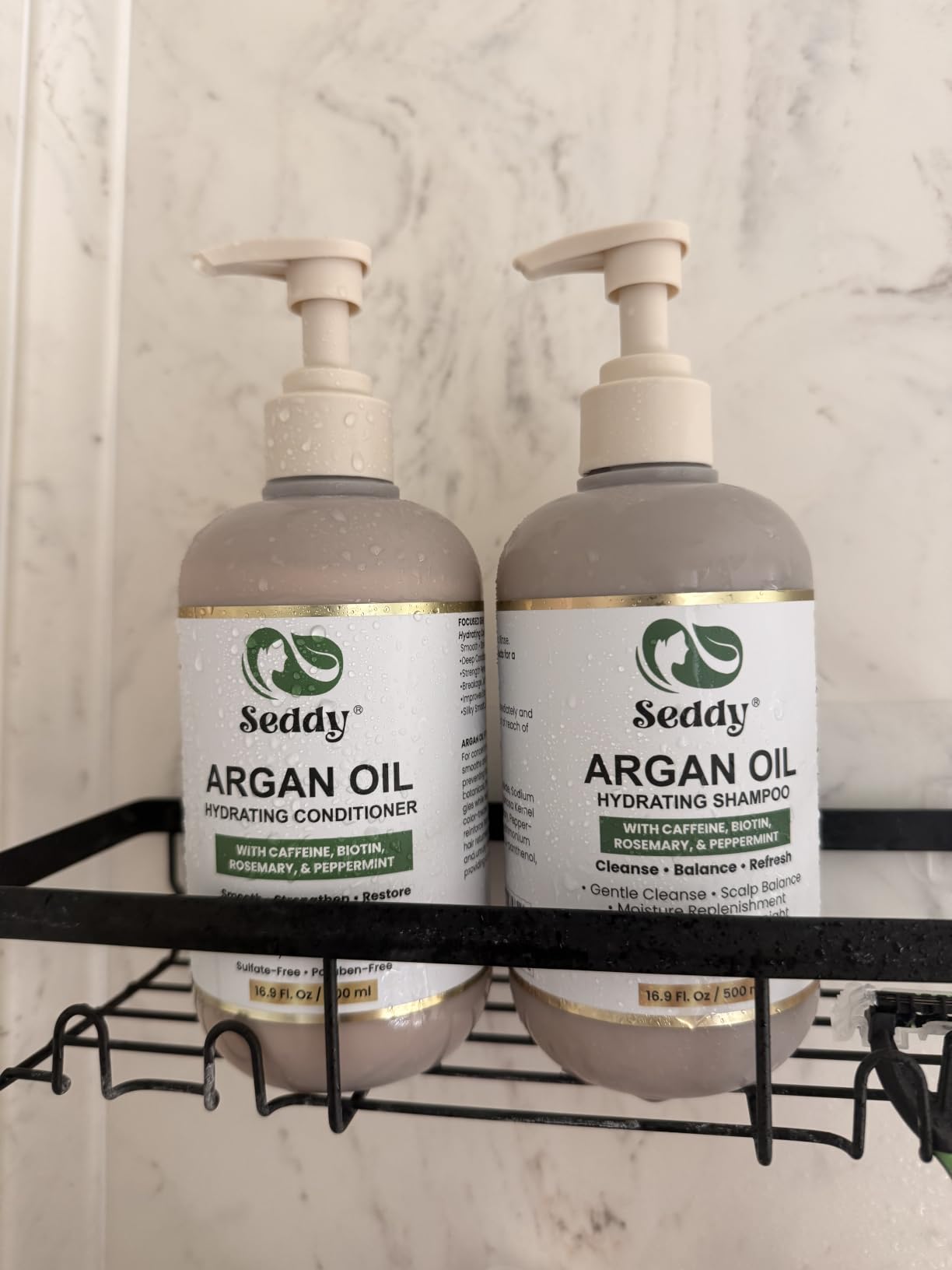
- Step 4: Use a targeted hair-thinning-support product. Once you’ve stabilized hormones and improved scalp health, introducing a hair-care oil from Seddy (for example) that includes castor, rosemary, peppermint and other supportive botanicals can help lock in gains and nurture follicles over time.
- Step 5: Monitor progress. Take photos of your part-line and crown every 3-4 months. Hair-thinning reversal is typically gradual—improvements in hair density or thickness often show after 4–6 months with consistent care.
Why this matters for your confidence & long-term hair health
Hair thinning in PCOS isn’t simply cosmetic—it affects self-esteem, styling options and how you feel about your appearance each day. By combining hormone-aware care (via your doctor) with scalp-support habits and targeted hair-care rituals, you set the stage for not just slowing thinning, but improving hair resilience and fullness over time.
At Seddy, our focus is on giving you tools and routines you can commit to—because consistency is the cornerstone of hair-growth success.
PCOS-related hair thinning occurs because of elevated androgen levels, follicle sensitivity, insulin/metabolic stress and an unhealthy scalp environment. Reversing or improving this condition requires a dual-track approach: addressing hormonal imbalance through medical guidance AND adopting a targeted hair & scalp care regimen. With time, patience and the right routine, you can support thicker, healthier-feeling hair.

Frequently Asked Questions (FAQ)
1. Does PCOS really cause hair loss?
Yes. PCOS can increase androgen levels, especially DHT, which shortens the hair-growth cycle and shrinks hair follicles over time.
2. What does PCOS hair loss look like?
Most people notice a wider part line, thinning at the crown, reduced volume, and slower regrowth.
3. Can PCOS hair loss be reversed?
Improvement is possible. Combining hormonal management, insulin support, and consistent scalp care can lead to significant regrowth.
4. How long does it take to see results?
Most women begin seeing changes in 3–6 months, with fuller improvements around 9–12 months.
5. Why does DHT affect hair growth in PCOS?
DHT binds to receptors on sensitive follicles, causing them to shrink, leading to thinner strands and slower growth.
6. Can weight loss help PCOS hair loss?
For many women with PCOS, losing even 5–10% of body weight can help lower insulin and reduce androgen levels.
7. What treatments help PCOS hair thinning?
Common treatments include minoxidil, spironolactone, birth control pills, laser therapy, microneedling, PRP, and growth-supporting oils.
8. Is PCOS hair loss permanent?
Not usually. If addressed early and consistently, many women regain density and thickness.
9. What foods help with PCOS hair loss?
High-protein foods, leafy greens, berries, nuts, seeds, and omega-3-rich foods help support hormone balance and follicle health.
10. Which hair oils are best for PCOS-related thinning?
Oils with rosemary, castor, peppermint, caffeine, argan, and jojoba help improve circulation, reduce breakage, and nourish the scalp.