

Castor Oil for Hair Growth: Can It Thicken Eyebrows and Eyelashes?

Organic Castor Oil for Hair Growth: Does It Work on Eyebrows and Eyelashes?
Yes—organic castor oil can support healthier brows, lashes, and scalp hair by strengthening follicles, reducing breakage, and locking in moisture. It doesn’t create new follicles, but it helps existing hairs appear fuller over 6–12 weeks with consistent use.
Introduction: Why Castor Oil Is Back and Trending
Castor oil has been treasured for centuries across Africa, India, and the Caribbean for its powerful ability to strengthen and protect hair. Now, it’s resurfacing as a top natural remedy—especially for people trying to grow thicker eyebrows, fuller eyelashes, and stronger edges. But does it really work? And can organic castor oil truly improve hair growth on small, delicate areas like the brows and lashes?
The truth is simple: castor oil doesn’t magically create new follicles, but it significantly improves the environment around existing hairs. It strengthens, nourishes, and conditions in a way that helps the hairs you do have grow longer without breaking, stay in the growth phase longer, and appear fuller. For many people, that alone produces visible results within a few weeks.
This guide breaks down what the science says, how castor oil works on brows and lashes, how to apply it correctly, how it compares to rosemary, minoxidil, and peptide serums, and why packaging—especially dark amber glass bottles—makes a major difference.

What Makes Organic Castor Oil So Effective?
Organic castor oil comes from the seeds of the Ricinus communis plant and is naturally rich in ricinoleic acid, omega fatty acids, vitamin E, and humectants. This composition allows the oil to deeply moisturize the hair shaft, nourish follicles, and strengthen fragile strands. Because it contains such a high concentration of ricinoleic acid, castor oil is especially known for reducing inflammation—a key factor in thinning brows and slow-growing lashes.
It also forms a protective barrier around each hair strand, locking in moisture and preventing breakage. For fine, sparse, or fragile hairs like those on the brows and eyelashes, this effect is powerful. The longer each hair stays intact, the fuller your brows and lashes will look.
Read more: Castor Oil for Hair Growth: The Secret to Stronger, Healthier Hair
Does Organic Castor Oil Really Grow Eyebrows?
While scientific studies do not show castor oil creating brand-new follicles, there is strong support for its ability to improve the condition of existing eyebrow hairs. Ricinoleic acid helps calm inflammation around the brow area, which is important because chronic irritation is one of the most common reasons brows thin over time.
Once inflammation decreases, the follicles are better able to produce stronger strands. Castor oil also coats each brow hair, making them appear immediately thicker and darker. Over several weeks, many people notice that their brows look more defined and feel denser because the hairs break less easily.
Most users begin seeing subtle changes in about four weeks and fuller brows by the eight to twelve-week mark. These improvements come from better hair retention—not new follicle growth.
Does Organic Castor Oil Work on Eyelashes?
For eyelashes, the mechanism is similar. Castor oil strengthens the lash fibers and helps keep them moisturized, making them less likely to snap or shed prematurely. Because lashes naturally grow in cycles, anything that helps them stay longer in the growth phase contributes to a thicker, fuller lash line.
People often notice their lashes appear shinier and darker within two to three weeks. With nightly application, the lash line looks more defined and dense over six to ten weeks. The key is careful application: the oil should be applied only to the upper lash line using a very small amount to avoid eye irritation.
Castor oil cannot make lashes grow dramatically longer, but it can absolutely make them appear fuller, healthier, and more voluminous.
How to Use Castor Oil on Eyebrows and Eyelashes
Applying castor oil correctly is one of the most important parts of achieving results. For eyebrows, simply wash your face thoroughly at night, then use a clean spoolie or a cotton swab to lightly coat the brow hairs. Always brush in the direction of natural growth. Leaving the oil on overnight gives the ingredients time to penetrate both the hair shaft and the surrounding skin. Most people see best results when applying it five to seven nights a week.
For eyelashes, the process requires more precision. After removing eye makeup and cleansing the skin, dip a fine eyeliner brush—or the tip of a disposable mascara wand—into a very small amount of oil. Wipe off any excess, then apply the oil the same way you would apply eyeliner, only along the upper lash line. This method nourishes the follicles without letting the oil clump onto the lashes themselves or enter the eye. Using the oil four to five times a week is typically sufficient.

When Will You See Results?
Results depend on consistency. Castor oil works gradually because it improves the quality of the hairs that already exist. People often notice changes in stages: shinier brows and lashes within two weeks, less shedding by week four, and fuller-looking growth around weeks six to twelve. Brows tend to respond faster than lashes simply because brow hairs are thicker and easier to hydrate.
Castor Oil for Scalp Hair Growth
Castor oil is just as effective on the scalp—especially for those experiencing thinning edges, dry scalp, or breakage-prone curls. Its thick, nutrient-rich texture helps coat and protect fragile strands, while the ricinoleic acid supports a calmer, less irritated scalp environment. Improved moisture retention alone can drastically reduce breakage, which is often the primary reason many people feel their hair “isn’t growing.”
On the scalp, castor oil performs best when massaged into thinning areas two to three times a week. This helps stimulate circulation, nourish the follicles, and improve hair retention. For edges and tension-related thinning, results often appear within eight to twelve weeks.
Castor Oil vs. Rosemary, Peptide Serums & Minoxidil: Which Is Best?
When comparing castor oil to other popular growth treatments, it’s important to understand that each option works differently. Castor oil excels in moisturizing and strengthening delicate hairs, making it ideal for brows, lashes, and breaking strands. Rosemary oil, on the other hand, is backed by studies showing that it performs similarly to 2% minoxidil for scalp growth—though it’s not meant for the eye area. Peptide serums focus on enhancing lash and brow density through cosmetic peptides and are often fast-acting, but results may reverse when you stop using them. Minoxidil remains the strongest clinically proven option for the scalp but is not recommended for eyelashes or eyebrows due to potential side effects.
The right choice depends on your needs: castor oil for safe, natural brow and lash support; rosemary and castor oil for scalp strengthening; peptides for quick lash density; and minoxidil for more advanced scalp thinning.
Read more: The Science Behind Rosemary Oil for Hair Growth
The Best Types of Castor Oil for Hair, Brows & Lashes
The most effective versions of castor oil are organic, cold-pressed, and hexane-free. Cold-pressed extraction keeps the nutrients intact, while hexane-free processing avoids any chemical solvent contamination. Jamaican Black Castor Oil (JBCO) is also excellent for those with thicker curls or thinning edges because its alkaline pH helps open the hair cuticle, allowing deeper penetration.
Each type can support brow, lash, and scalp growth, but the right choice depends on your texture, sensitivity, and goals. For delicate eye-area use, cold-pressed organic castor oil is ideal. For edges and protective styles, Jamaican Black Castor Oil offers deeper nourishment.
Why Dark Amber Glass Bottles Matter
One factor that significantly affects the results you get from castor oil is the packaging. Castor oil is sensitive to light, heat, and chemical exposure, and the wrong bottle can weaken the oil before you even apply it.
Dark amber glass bottles are the best choice because they protect the oil from UV light, which can break down ricinoleic acid and reduce potency. Castor oil’s fatty acids oxidize faster in clear or plastic packaging, leading to decreased effectiveness and a shortened shelf life.
Glass bottles are also non-reactive, meaning the oil will not pull chemicals or microplastics from the container—a common issue with plastic bottles, especially because castor oil is thick and highly absorptive. Amber glass preserves the nutritional integrity of the oil, maintains its antioxidant levels, and ensures the oil stays pure and safe for use near the eyes.
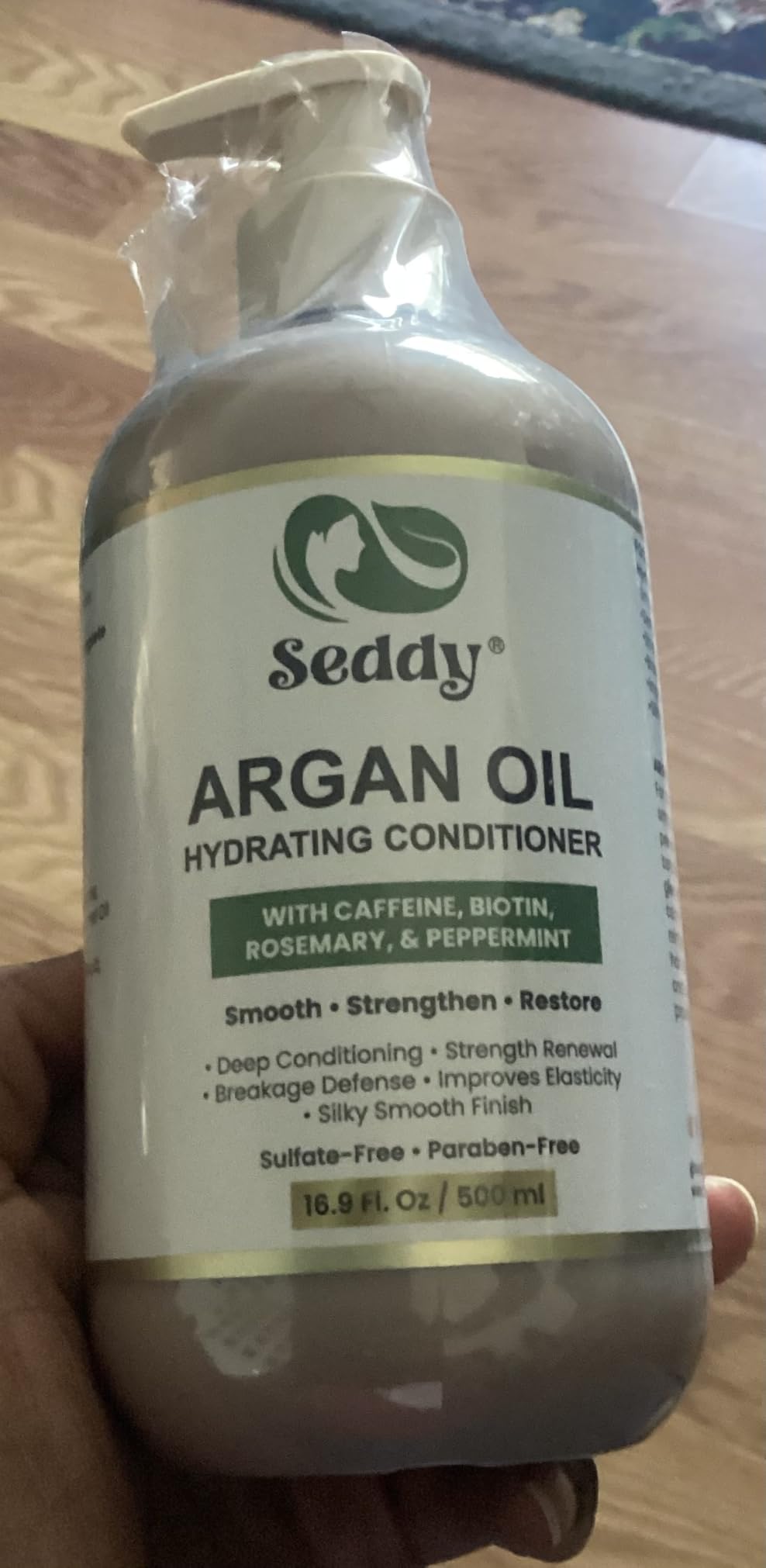
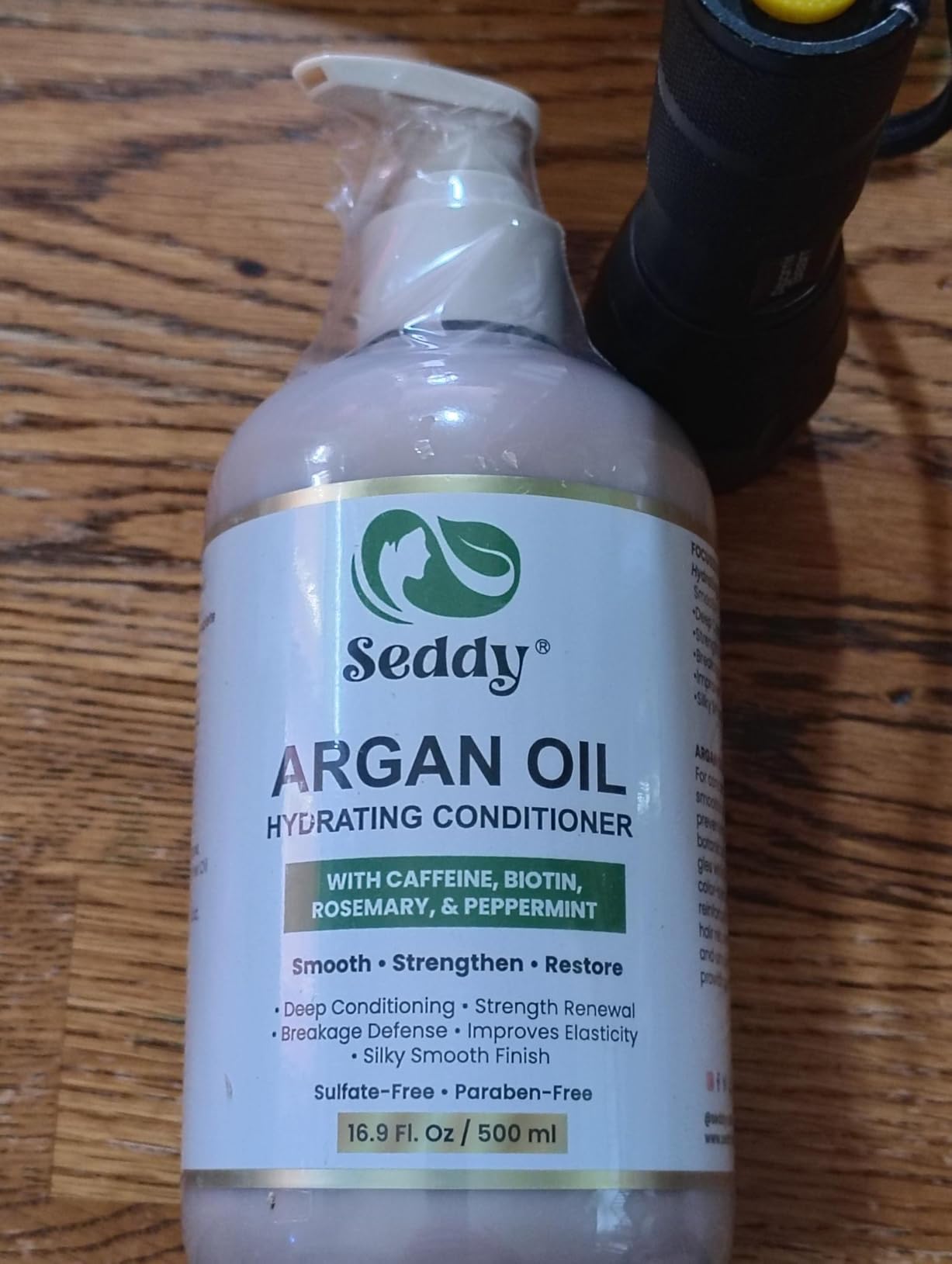
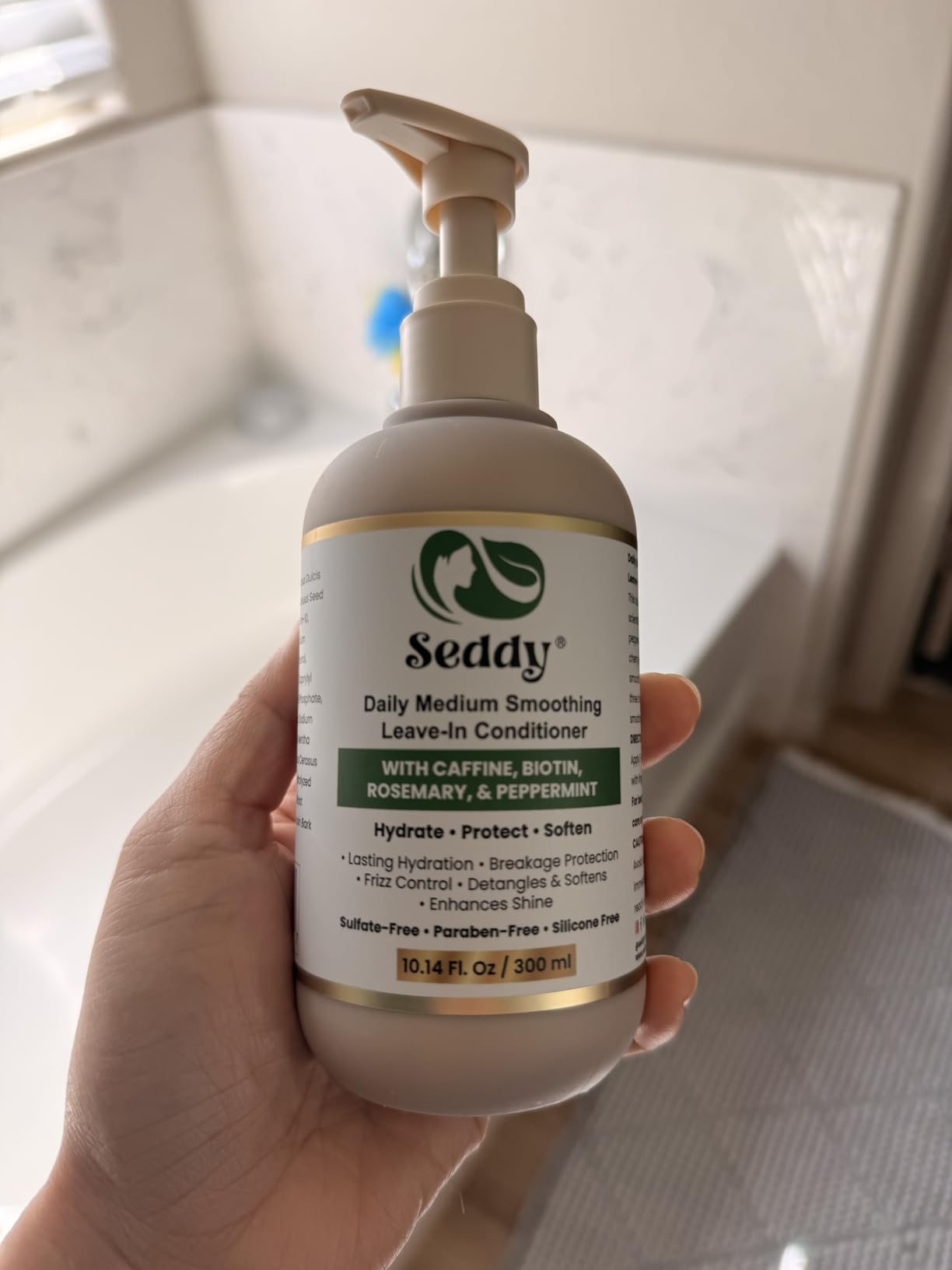
Beyond protection, dark amber glass is also environmentally friendly and reusable, aligning perfectly with clean beauty standards. High-quality brands like Seddy Naturals use only dark amber glass to ensure customers get the most potent, safe, and stable form of castor oil possible.
Why Seddy Naturals’ Castor Oil Stands Out
Seddy Naturals packages its castor oils—including Jamaican Black Castor Oil, Organic Castor Oil—in premium amber glass bottles to protect product purity and potency. Because the oils are cold-pressed, hexane-free, and stored in non-reactive packaging, you get maximum ricinoleic acid strength and safer application for brows and lashes. It’s an ideal choice for anyone wanting stronger edges, fuller brows, or thicker lashes without compromising on clean beauty standards.
How Often Should You Use Castor Oil?
While you can safely use castor oil on eyebrows almost every night, eyelashes do best with four to five applications weekly. For the scalp, two to three uses per week is enough to support retention and thickness without creating buildup. A small amount goes a long way—consistency matters more than quantity.
Potential Side Effects & Safety Notes
Castor oil is generally very gentle but should still be used carefully. Using too much on the eye area can lead to irritation or a heavy feeling. Always avoid getting oil inside the eye, and patch test the product first if you have sensitive skin. The thick texture means a little is all you need.
Frequently Asked Questions
1. Does castor oil make eyebrows grow?
It strengthens and conditions existing hairs, helping brows appear fuller over time.
2. Can castor oil thicken eyelashes?
Yes—when applied to the lash line, it reduces shedding and improves fullness.
3. How long until I see results?
Most people notice changes between six and twelve weeks.
4. Is castor oil safe near the eyes?
Yes, when organic and used correctly, but avoid getting it inside the eye.
5. What type of castor oil is best?
Cold-pressed organic castor oil or Jamaican Black Castor Oil.
6. Can castor oil regrow bald spots?
It helps only if follicles are still active.
7. Why does packaging matter?
Dark amber glass protects the oil from UV light and contamination.
8. Can castor oil make brows and lashes look darker?
Yes—its moisturizing properties can give hairs a naturally deeper appearance.
9. Can I mix it with other oils?
Yes—jojoba, argan, and rosemary blend well.
10. Does castor oil improve scalp growth?
It supports healthier follicles and reduces breakage.
Final Summary
Organic castor oil remains one of the most trusted natural remedies for fuller brows, stronger lashes, and healthier hair. While it doesn’t create new follicles, its unique composition—especially its high ricinoleic acid content—supports healthier growth, immediate fullness, and reduced breakage on delicate hairs. When stored in dark amber glass, the oil stays potent and safe for daily use.
Whether you want to thicken your brows, enhance your lashes, or strengthen thinning edges, choosing a high-quality, organic, cold-pressed castor oil makes all the difference.
Ready to grow fuller brows, stronger lashes, and healthier hair naturally? Shop Seddy Naturals Jamaican Black Castor Oil—stored in nutrient-protecting amber glass for maximum results.