

Hydrating Shampoo and Conditioner for Dry Hair

Hydrating Shampoo and Conditioner for Dry Hair
The best hydrating shampoo and conditioner for dry hair should cleanse the scalp without leaving the lengths stripped, then restore softness, slip, and manageability. However, hydration alone cannot permanently repair severely damaged strands. Choosing the right formulas—and using them correctly—determines whether your hair feels moisturized or becomes dry again shortly after washing.
Who Is This Guide For?
This guide is for anyone whose hair regularly feels:
- Rough, stiff, or straw-like
- Difficult to detangle
- Dull instead of naturally reflective
- Frizzy shortly after washing
- Dry at the ends but oily near the scalp
- More vulnerable to knots and breakage
- Soft while wet but brittle once dry
- Difficult to style without using several products
It is especially relevant for curly, coily, color-treated, heat-styled, chemically processed, high-porosity, or naturally dry hair.
However, persistent scalp scaling, painful irritation, sores, sudden shedding, or unexplained breakage may require evaluation by a dermatologist or qualified healthcare professional. Shampoo and conditioner can improve cosmetic dryness, but they are not treatments for underlying medical conditions.
Why Does Hair Become Dry?
Hair becomes dry when it does not retain enough water and conditioning lipids to remain flexible and manageable. The scalp produces natural oils, but those oils do not always travel efficiently from the roots to the ends.
This is particularly common in curly and coily hair because the bends and coils make it more difficult for natural scalp oils to coat the entire strand. Longer hair can also become progressively drier because the ends are older and have experienced more washing, brushing, friction, heat, and environmental exposure.
Common causes of dry hair include:
- Shampooing too frequently
- Using harsh or highly clarifying cleansers too often
- Repeated flat-ironing, blow-drying, or curling
- Bleaching, coloring, relaxing, or perming
- Sun, wind, dry air, and chlorinated water
- Insufficient conditioning
- Rough detangling
- Sleeping without protecting the hair from friction
- Applying heavy oils without adding water-based moisture
- Allowing split or severely weathered ends to remain untrimmed
Dryness can also be confused with product buildup. Hair coated with excess butter, oil, silicone, or styling residue may feel dull, stiff, and resistant to moisture. In that situation, adding more moisturizing products may not solve the problem until the buildup is properly removed.
How Hydrating Shampoo Works
A hydrating shampoo is designed to remove sweat, oil, environmental debris, and product residue while minimizing the excessively stripped feeling associated with stronger cleansers.
All effective shampoos require cleansing agents. The goal is not necessarily to avoid cleansing ingredients—it is to select a balanced formula and use it at an appropriate frequency.
A moisturizing or hydrating shampoo may also contain ingredients that support a softer after-wash feel, including:
- Glycerin
- Panthenol
- Argan oil
- Jojoba oil
- Aloe-derived ingredients
- Hydrolyzed proteins
- Conditioning polymers
- Fatty alcohols
- Botanical oils and extracts
These ingredients do not prevent shampoo from cleansing. Instead, they can help reduce roughness, improve lubrication, or support moisture retention during the wash process.

Should Hydrating Shampoo Be Sulfate-Free?
Not every sulfate-containing shampoo is automatically harsh, and not every sulfate-free formula is automatically moisturizing. Performance depends on the complete formulation, ingredient concentrations, pH, and combination of cleansing and conditioning agents.
A sulfate-free hydrating shampoo may be useful for:
- Naturally dry curls and coils
- Frequent washers
- Color-treated hair
- Hair that becomes tangled during cleansing
- People sensitive to strongly degreasing formulas
However, someone who uses heavy stylers, scalp oils, dry shampoo, or water-resistant products may occasionally need a stronger cleanser. A gentle shampoo that never removes buildup can eventually leave hair dull, coated, or difficult to style.
The better approach is balance: use a hydrating shampoo for regular wash days and clarify only when the hair shows signs of persistent buildup.
How Hydrating Conditioner Works
Conditioner is responsible for much of the softness, slip, and manageability people associate with hydrated hair.
When hair becomes wet and shampooed, the strands can develop more friction. A well-formulated conditioner deposits lubricating and smoothing ingredients onto the hair, making individual strands easier to separate.
Hydrating conditioners commonly contain:
- Fatty alcohols such as cetyl or cetearyl alcohol
- Cationic conditioning agents
- Humectants such as glycerin
- Botanical oils and butters
- Hydrolyzed proteins
- Amino acids
- Silicones or silicone alternatives
- Film-forming ingredients
Despite the name, fatty alcohols are not the same as drying alcohols. Cetyl alcohol and cetearyl alcohol are frequently used to add softness, thickness, and slip to conditioners.
Why Conditioner Matters for Dry Hair
A suitable conditioner may help:
- Reduce friction between strands
- Make detangling easier
- Improve softness
- Smooth the hair’s surface
- Reduce the appearance of frizz
- Improve shine
- Make dry ends feel more flexible
- Limit mechanical breakage during combing
Conditioner cannot permanently fuse split ends or reverse structural damage. It can temporarily smooth and protect weathered areas, but severely split ends usually need to be trimmed.

Hydrating vs. Repairing Shampoo and Conditioner
“Hydrating” and “repairing” are often used interchangeably, but they address different needs.
|
Feature |
Hydrating Formula |
Repairing Formula |
|
Primary purpose |
Improve softness and moisture retention |
Reinforce weakened or damaged hair |
|
Often contains |
Humectants, oils and conditioning agents |
Proteins, amino acids and bond-supporting ingredients |
|
Best for |
Rough, dry, frizzy or thirsty hair |
Bleached, heat-damaged or chemically processed hair |
|
Immediate result |
Softer, more manageable hair |
Stronger-feeling, less fragile hair |
|
Possible limitation |
May not strengthen severe damage |
Too much protein may make some hair feel stiff |
Dry hair may need hydration, repair, or a combination of both. If your hair feels soft but stretches excessively and breaks, it may benefit from strengthening support. If it feels hard, tangled, and brittle after protein treatments, it may need more conditioning and less frequent protein use.
Hydrating Shampoo vs. Clarifying Shampoo
A hydrating shampoo is generally intended for routine cleansing. A clarifying shampoo provides deeper removal of stubborn residue, mineral deposits, excess oil, or heavy styling products.
Choose a hydrating shampoo when:
- Your scalp needs regular cleansing
- Your lengths become rough easily
- You wash once or several times per week
- Your hair is curly, coily, color-treated, or naturally dry
Consider occasional clarifying when:
- Water no longer seems to absorb easily
- Conditioner sits on the surface
- Hair remains dull after washing
- Styles do not hold as expected
- The scalp feels coated
- You frequently use oils, butters, edge control, or dry shampoo
Clarifying too often can increase dryness. Never assume that “squeaky clean” hair is healthier hair; that sensation may indicate that too much surface lubrication has been removed.
How to Choose the Best Shampoo and Conditioner for Dry Hair
1. Start With Your Scalp
Shampoo should be selected partly according to scalp condition. A dry-feeling length does not always mean the scalp needs a rich cleanser.
For example, a person may have an oily scalp and dry ends. In that case, the shampoo must adequately cleanse the roots, while conditioner and leave-in products provide more moisture to the lengths.
2. Consider Your Hair Texture
Fine hair often benefits from lightweight hydration that does not collapse volume. Thick, coarse, curly, and coily hair may tolerate richer conditioners and more concentrated application on the ends.
The amount used matters as much as the product. Even an excellent conditioner may feel heavy if it is applied excessively or placed directly on fine roots.
3. Evaluate Chemical and Heat Damage
Bleached, relaxed, permanently colored, or frequently heat-styled hair may need both moisture and strengthening ingredients. Hydrolyzed proteins can temporarily reinforce vulnerable areas, but they should be balanced with conditioning ingredients to prevent a rigid feel.
4. Look Beyond One “Hero” Ingredient
Argan oil, rosemary, caffeine, biotin, aloe, honey, and other recognizable ingredients may contribute useful properties, but no single ingredient determines the performance of a formula.
The full formulation matters more than a marketing headline. Cleansing strength, conditioner slip, pH, ingredient balance, usage frequency, and your hair’s current condition all influence results.
The Correct Wash-Day Method for Dry Hair
Step 1: Detangle Before Shampooing When Necessary
If your hair knots easily, separate it into sections before washing. Gently remove major tangles with your fingers or a suitable detangling tool. A pre-wash treatment may be helpful for very dry or tightly coiled hair.
Avoid forcing a brush through dry, resistant knots.
Step 2: Thoroughly Saturate the Hair
Allow water to fully wet the scalp and lengths before applying shampoo. Proper saturation helps shampoo spread more evenly and may reduce the temptation to use too much.
Step 3: Apply Shampoo Mainly to the Scalp
Place shampoo on the scalp rather than coating every inch of the hair. Massage gently with your fingertips or a soft silicone scalp massager.
Do not scratch with your fingernails. As you rinse, the cleanser will move through the lengths and help remove residue.
A second shampoo may be needed after heavy product use, but it should not be automatic on every wash day.
Step 4: Condition the Lengths and Ends
Remove excess water and apply conditioner primarily from the mid-lengths to the ends. Use more on the oldest, driest areas and less near the roots unless your hair texture needs conditioning throughout.
Give the conditioner time to spread before detangling.
Step 5: Detangle in Sections
Begin at the ends and gradually work upward. Detangling from the roots downward can tighten knots and increase breakage.
Use fingers, a wide-tooth comb, or a flexible detangling brush depending on your hair type and preference.
Step 6: Rinse Thoroughly
Rinse according to the product directions. Leaving a rinse-out conditioner in the hair is not always beneficial because it was not necessarily formulated to remain on the scalp or strands.
If you need continued moisture, apply a properly formulated leave-in conditioner after washing.
Step 7: Apply Leave-In Moisture Before Oil
Apply a water-based leave-in conditioner to damp hair. If needed, follow with a curl cream, styling product, serum, or a small amount of oil.
Oil can reduce moisture loss and add shine, but oil itself does not replace water. Applying oil repeatedly to dehydrated hair may create coating without resolving the underlying lack of moisture.
How Long Does It Take to See Results?
Some improvements should be noticeable after the first wash, particularly:
- Easier detangling
- Increased softness
- Less roughness
- Better manageability
- Improved shine
- Reduced surface frizz
More meaningful improvements in breakage and moisture retention usually require a consistent routine. Many people can evaluate whether a shampoo-and-conditioner combination is suitable after approximately three to six wash days.
If you wash weekly, that may mean three to six weeks. If you wash more frequently, you may reach a conclusion sooner.
Previously damaged hair will not become biologically “healed.” Because the visible hair shaft is not living tissue, products mainly cleanse, condition, coat, reinforce, and protect it while healthier-looking length is retained.
Common Mistakes That Keep Dry Hair Feeling Dry
Shampooing the Entire Length Aggressively
Rubbing shampoo through the lengths can create tangles and unnecessary friction. Focus regular cleansing on the scalp unless the lengths have substantial buildup.
Skipping Conditioner Because Hair Is Fine
Fine hair can still be dry. Choose a lightweight conditioner and apply it mainly to the ends instead of skipping conditioning completely.
Using Too Much Oil
Heavy oiling may temporarily create shine while leaving the hair coated, limp, or difficult to hydrate. Use a small amount and adjust according to how the hair responds.
Confusing Protein Overload With Dryness
If hair becomes unusually rigid, rough, or difficult to manipulate after repeated strengthening treatments, reduce protein frequency and increase balanced conditioning.
Using Very Hot Water
Extremely hot water can make an already dry wash routine feel harsher. Use comfortably warm water instead.
Changing Products After One Use
One wash can reveal obvious incompatibility, but subtler results require consistency. Test the routine for several wash days unless you experience irritation or severe dryness.
Ignoring Damaged Ends
No shampoo or conditioner can permanently repair severely split, thin, or weathered ends. Regular trims may make the entire head look and feel healthier.
When a Hydrating Routine May Not Be Enough
A moisturizing shampoo-and-conditioner system may not fully solve the problem when dryness is caused or complicated by:
- Severe bleach or chemical damage
- Hard-water mineral accumulation
- Heavy product buildup
- Excessive heat styling
- Untrimmed split ends
- Scalp disorders
- Medication-related changes
- Nutritional or hormonal concerns
- Improper protective styling
- Ongoing friction from rough handling
If your scalp is painful, inflamed, persistently itchy, or visibly scaling—or if you notice sudden thinning or shedding—seek professional medical advice.
How Seddy Naturals Can Support a Dry-Hair Routine
After understanding what causes dryness and how to wash dry hair correctly, a coordinated routine can make moisture management easier.
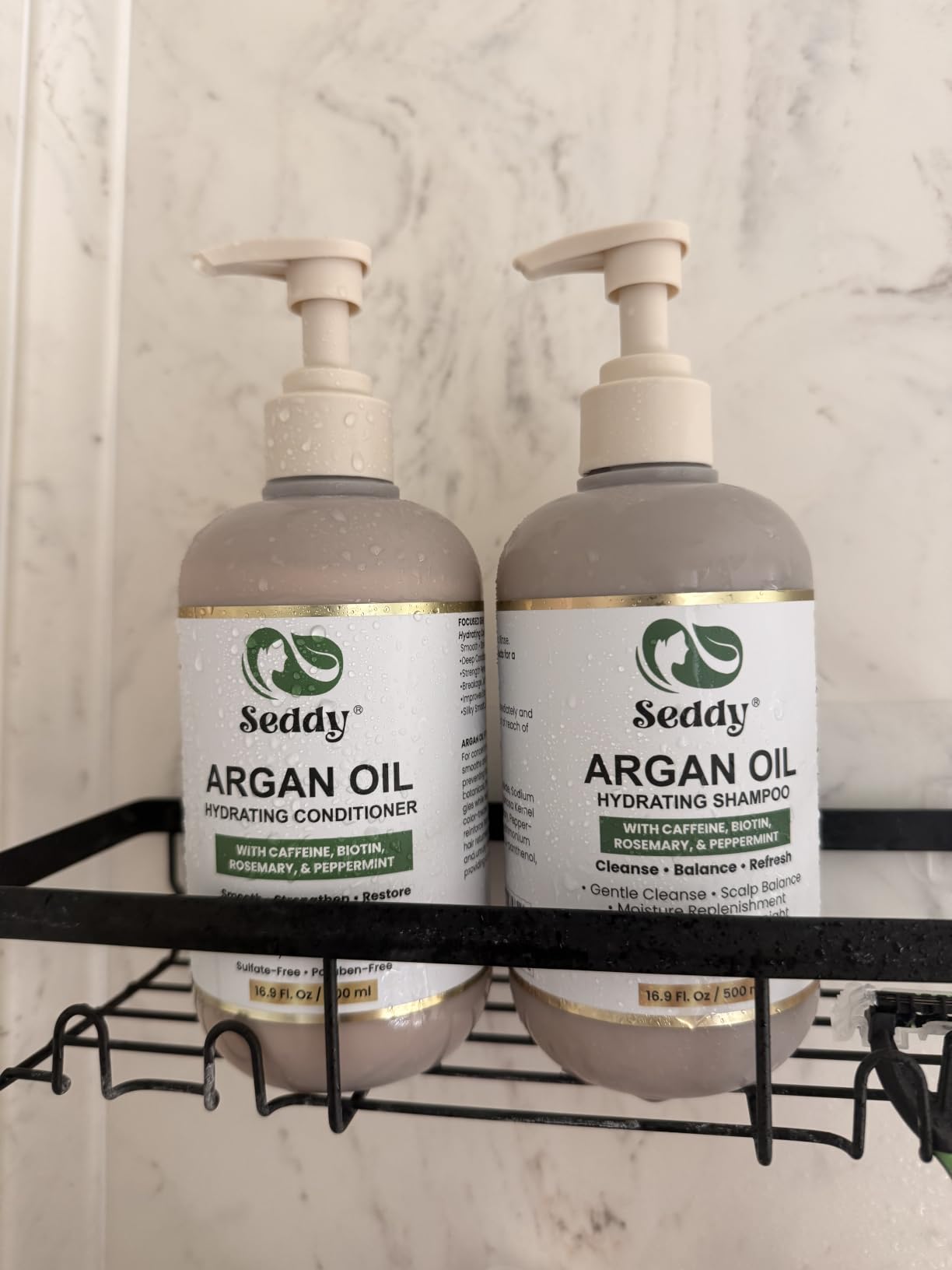
Begin with the Seddy Argan Oil Hydrating Shampoo. It cleanses the hair and scalp while supporting a softer wash-day experience with argan oil, caffeine, biotin, peppermint, and a blend of botanical oils.
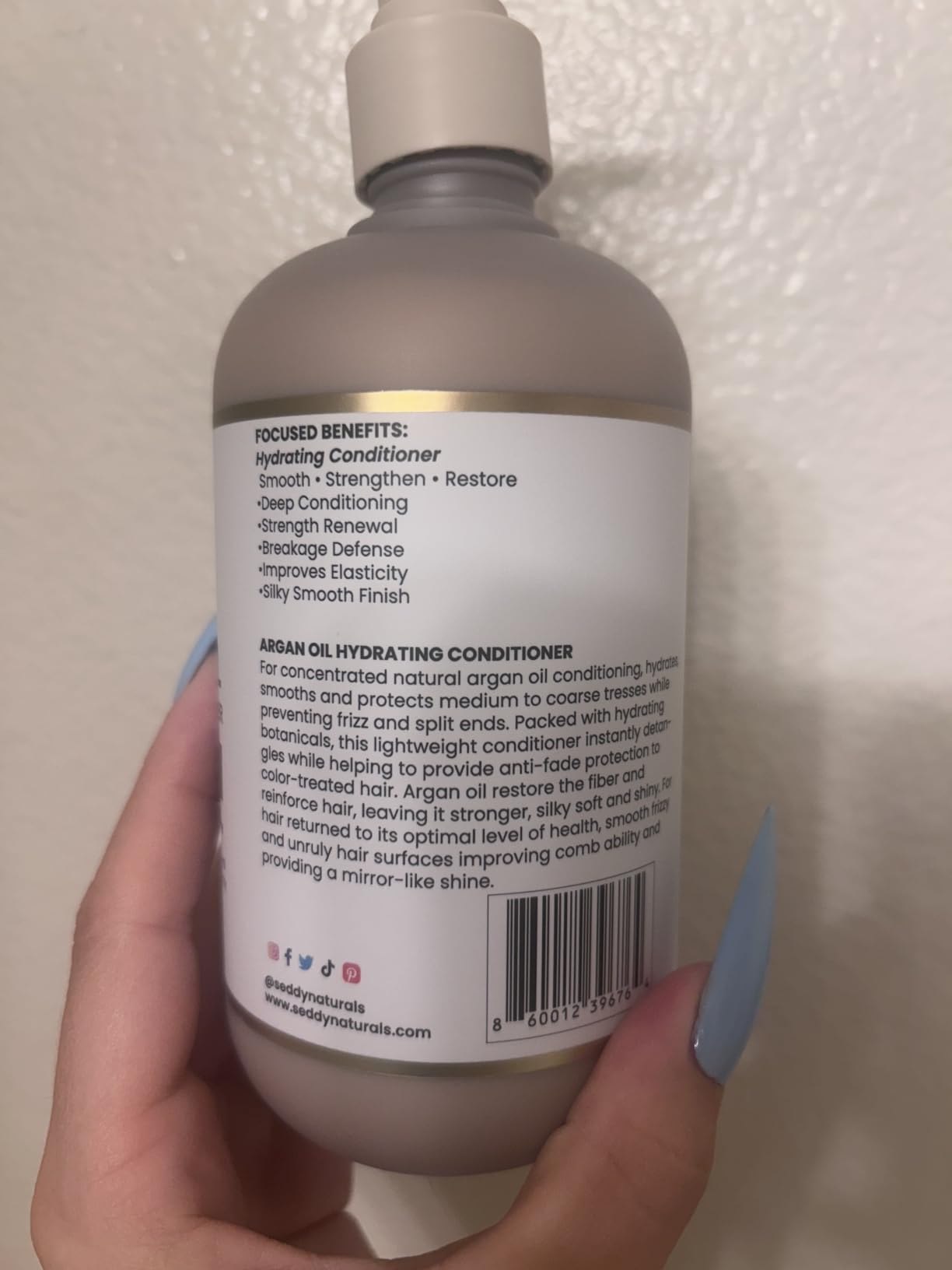
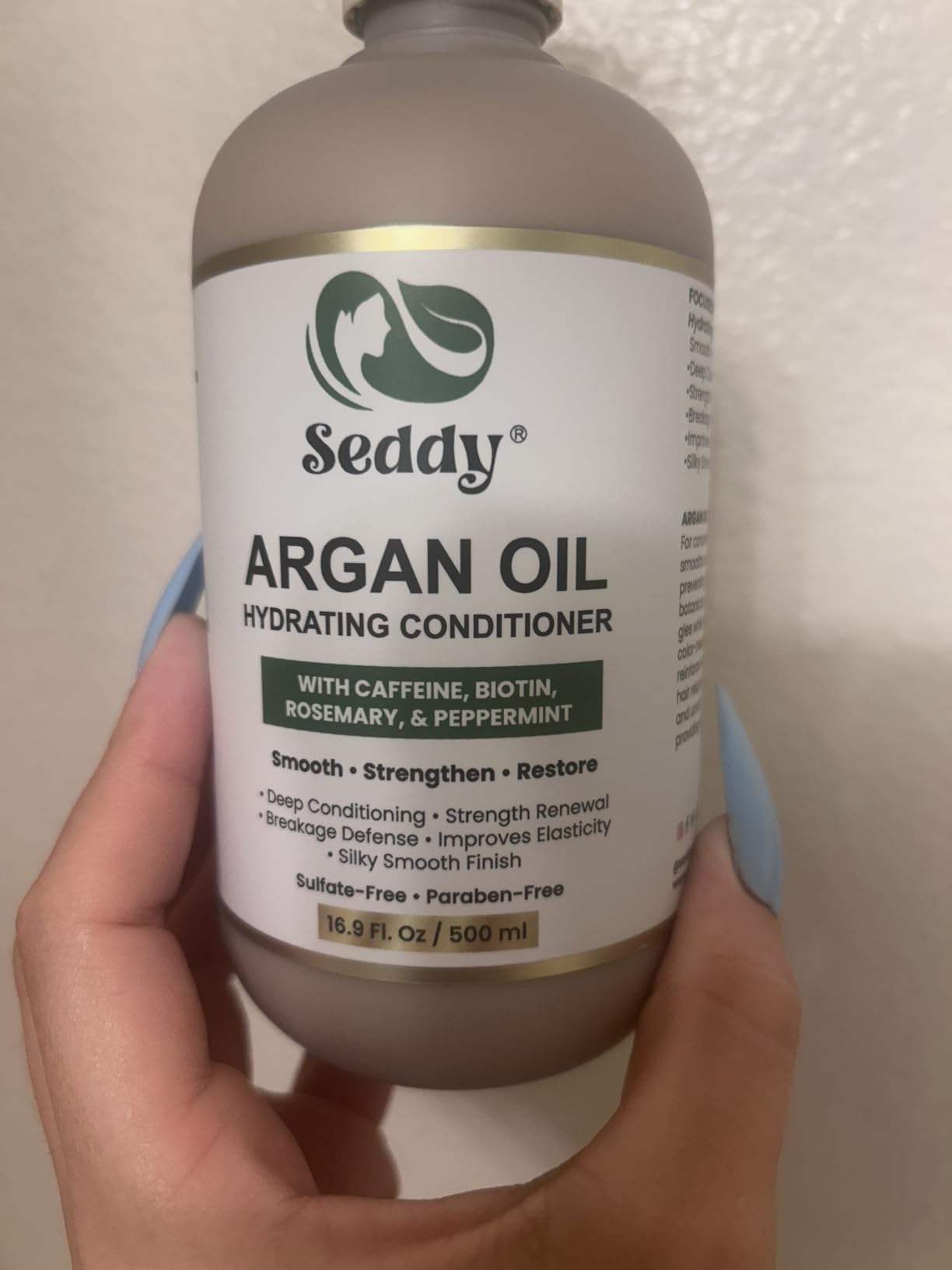
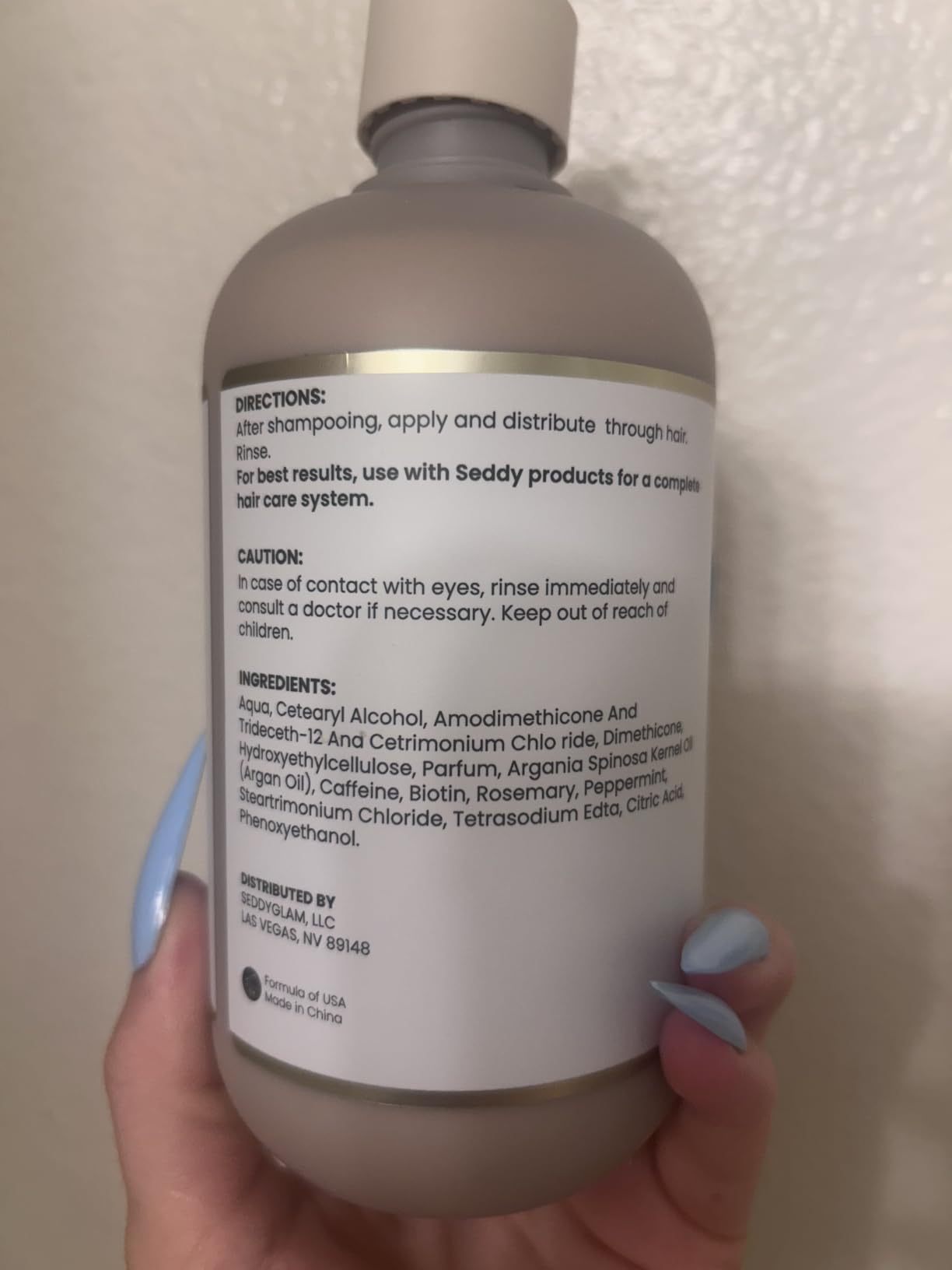
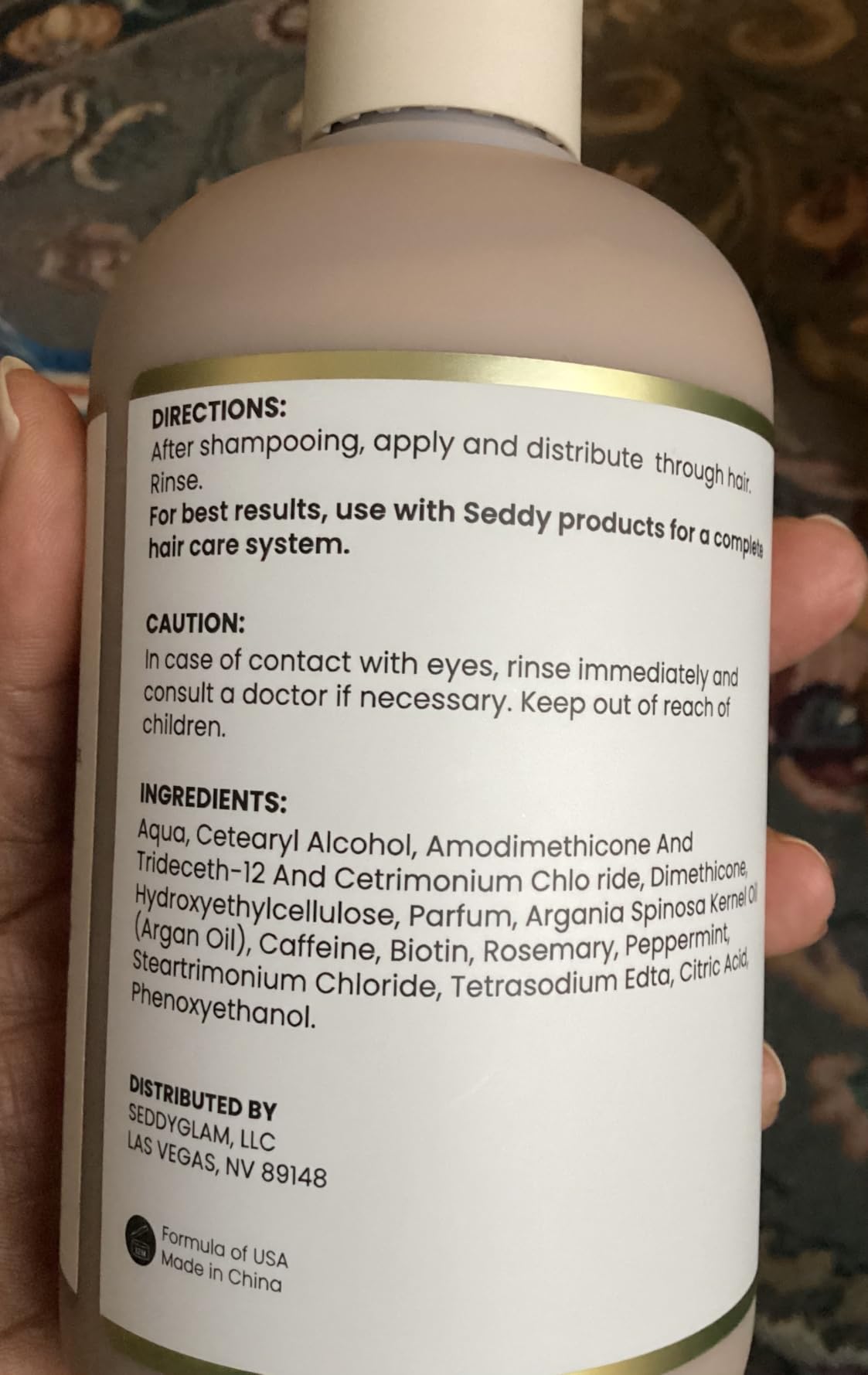
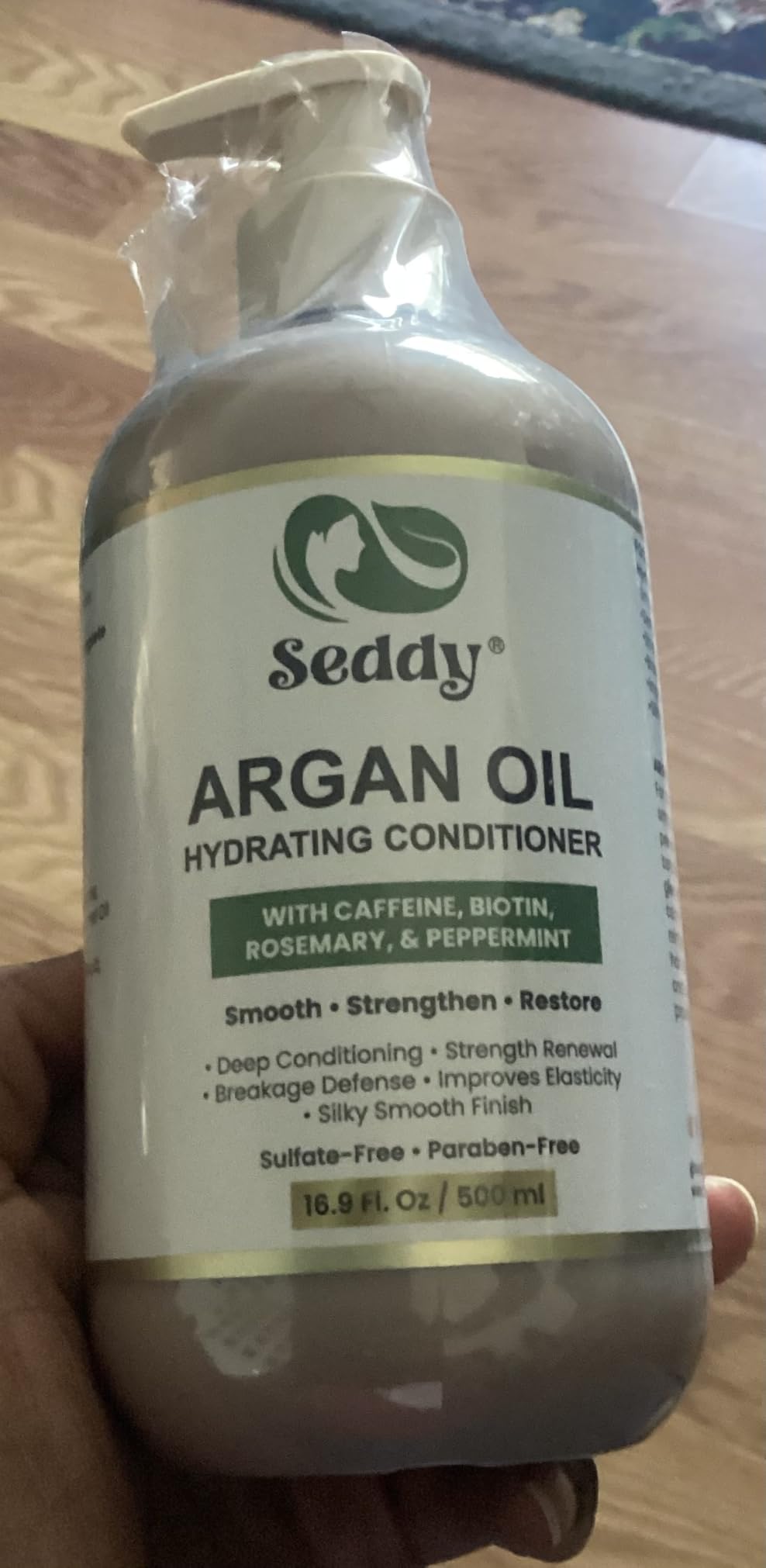
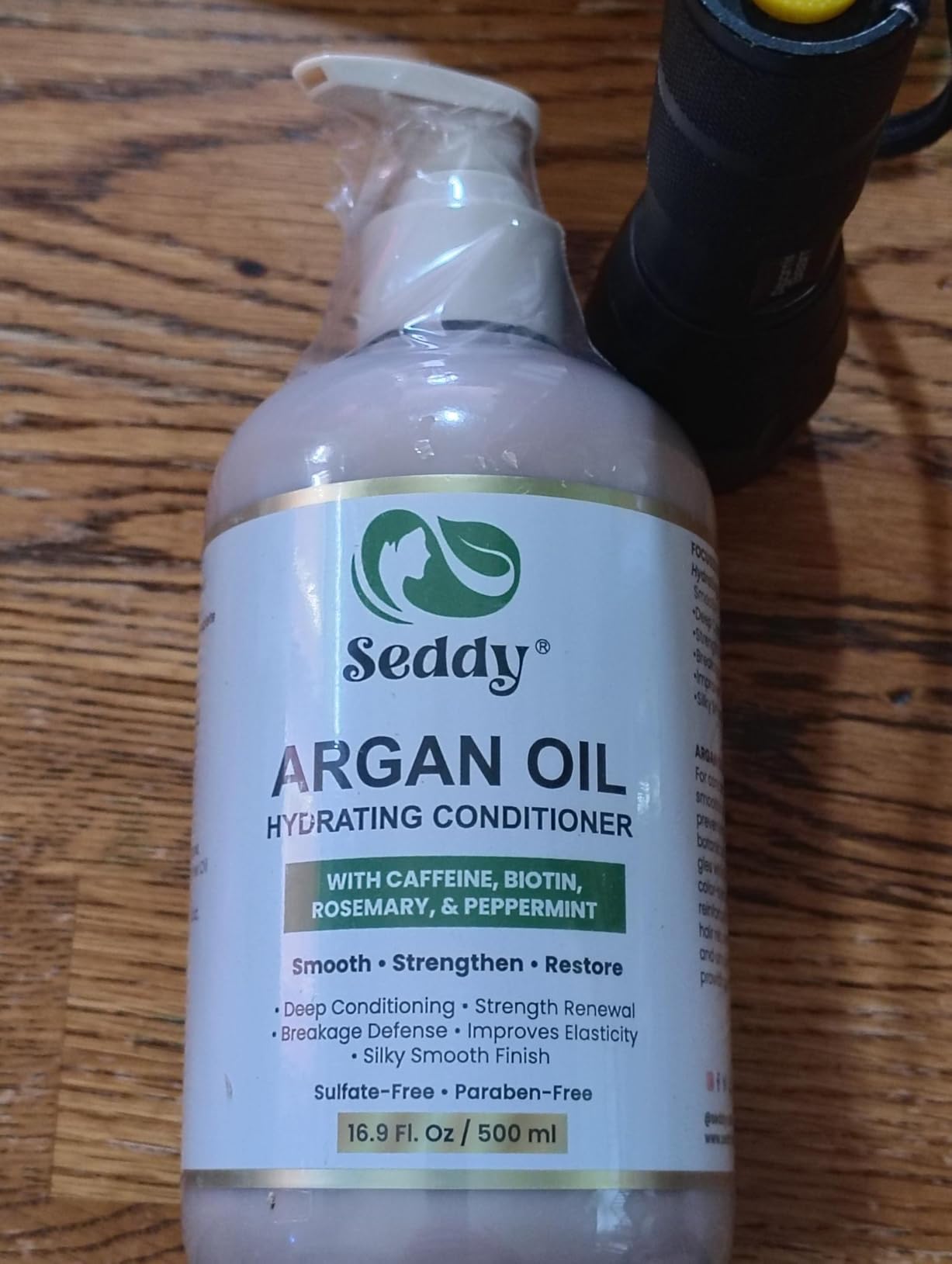
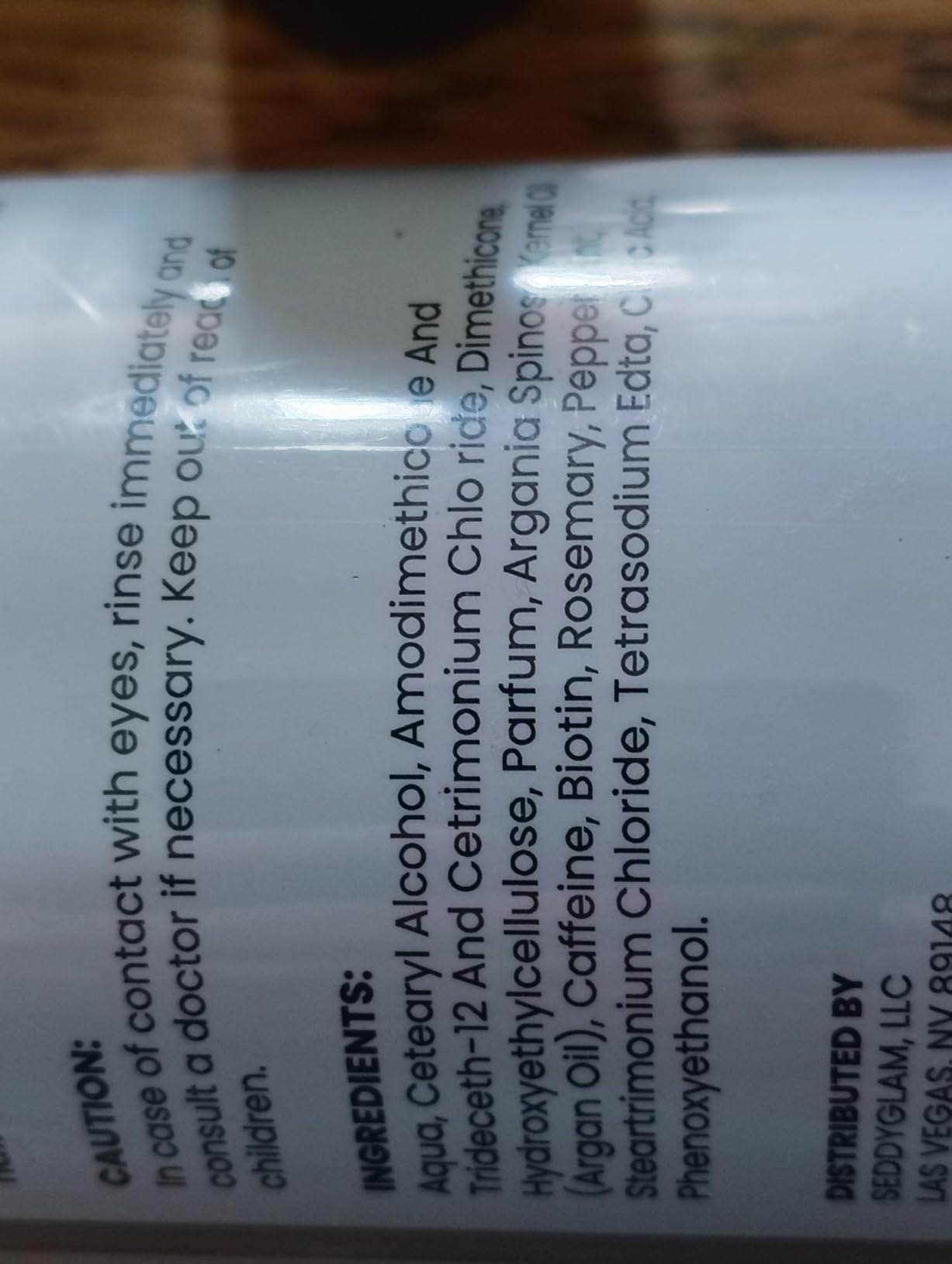
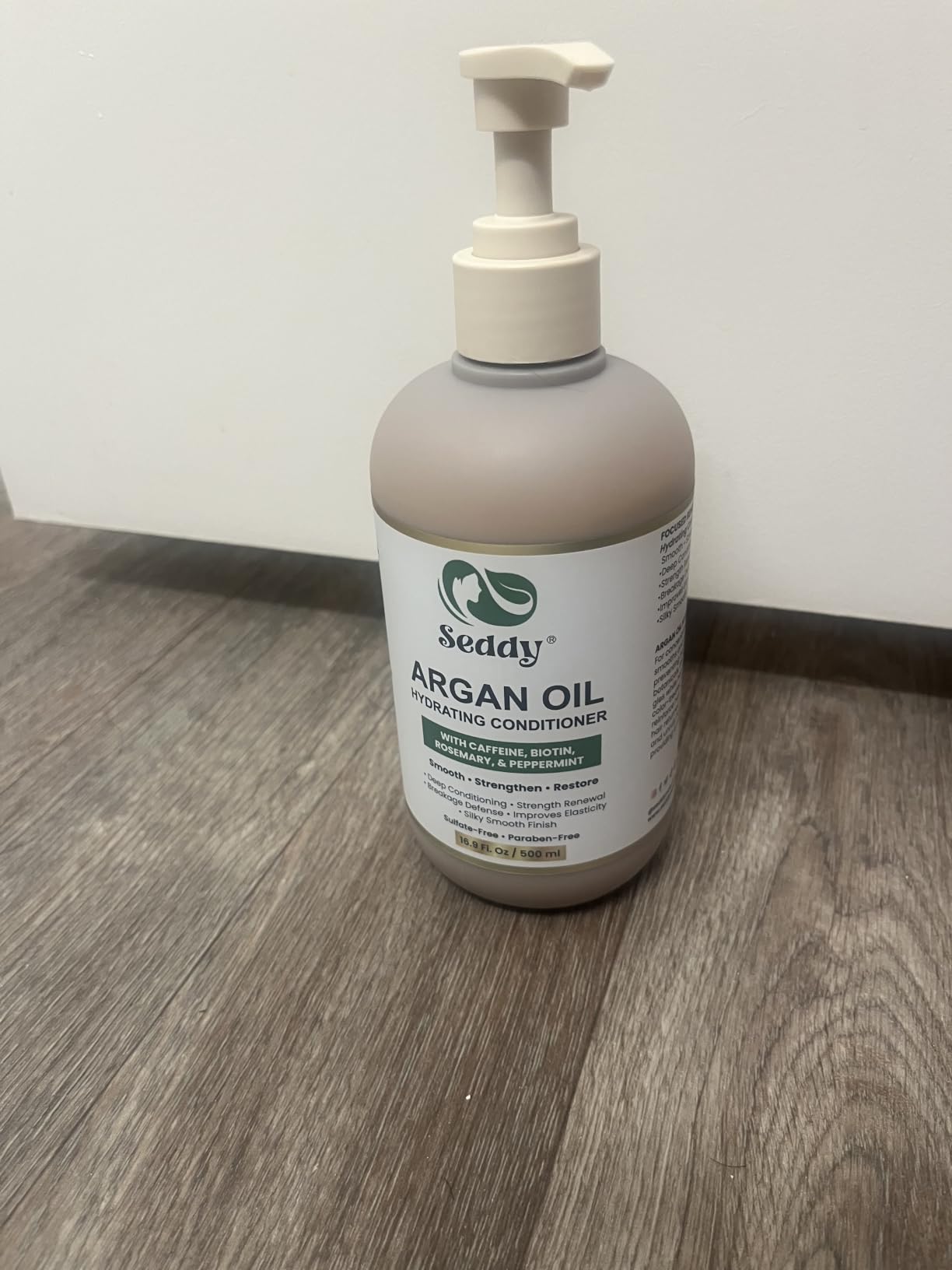
Follow with the Seddy Argan Oil Hydrating Conditioner. This conditioner is formulated with caffeine, biotin, rosemary, peppermint, and hydrolyzed wheat protein to improve slip, softness, and manageability.
For hair that needs additional support:
- Use the Argan Oil Hydrating Hair Mask periodically when your hair needs more intensive conditioning, softness, and moisture support.
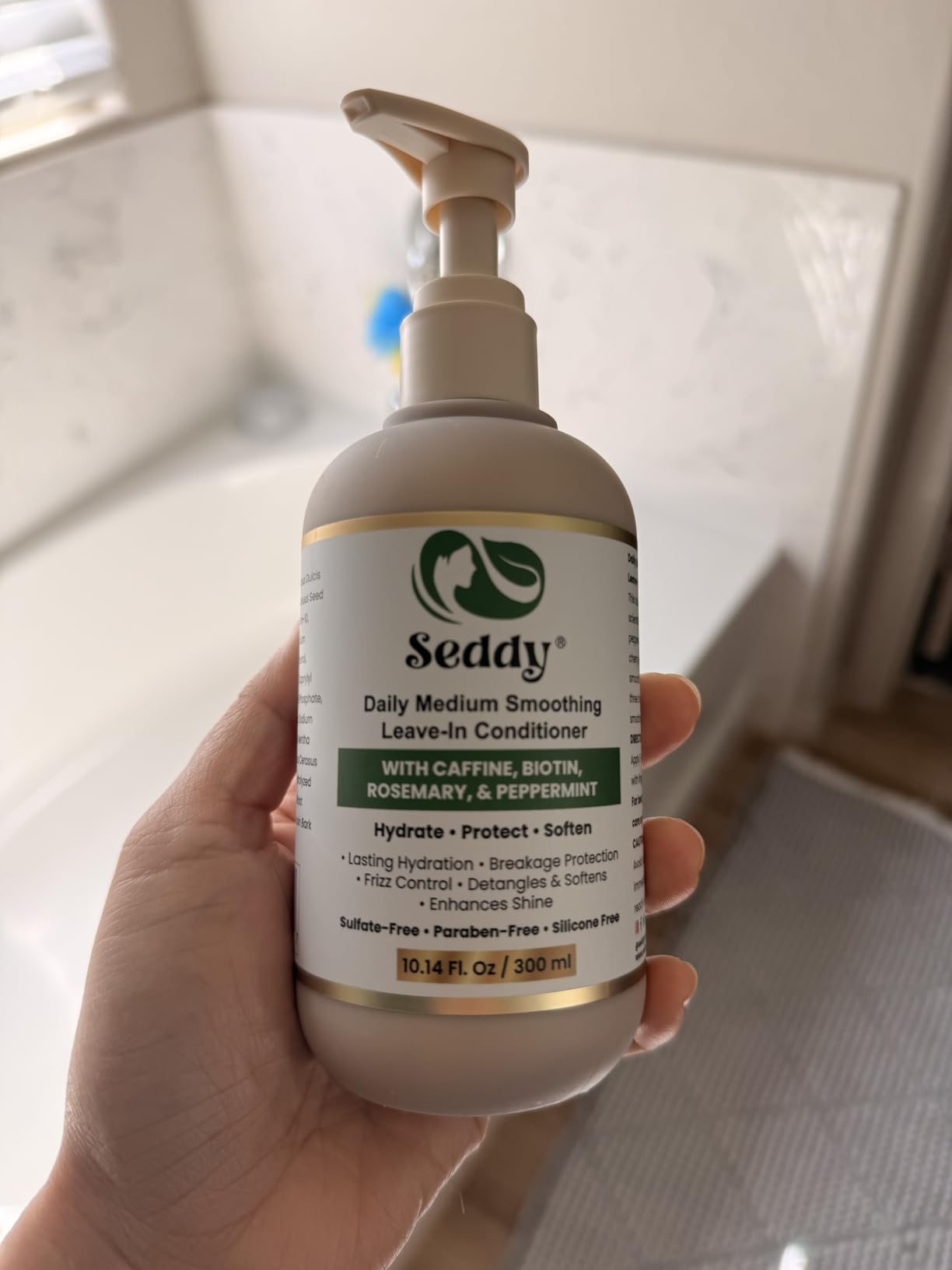
- Apply the Daily Smoothing Leave-In Conditioner after washing to help detangle, smooth frizz, and maintain softness between wash days.
Start with shampoo and conditioner before adding more products. Introduce a hair mask or leave-in conditioner only when it addresses a specific need. A smaller, consistent routine is usually easier to evaluate than layering several new products at once.
Continue Building Your Dry-Hair Routine
For more guidance, explore these related Seddy Naturals articles:
- Learn how to layer hair products in the correct order without making dry hair feel greasy, coated, or weighed down.
- Discover the benefits of argan oil shampoo and conditioner, including how argan oil can support softness, shine, and manageability.
- Read how to reduce hair breakage and protect fragile strands during washing, detangling, styling, and nighttime care.
A hydrating shampoo and conditioner for dry hair should do more than create temporary softness. The shampoo must cleanse appropriately without unnecessarily stripping the lengths, while the conditioner should provide enough slip and surface protection to reduce tangles, roughness, and friction.
For a moisture-focused wash day, pair the Argan Oil Hydrating Shampoo with the Argan Oil Hydrating Conditioner. Add the Hydrating Hair Mask when deeper conditioning is needed, or use the Daily Smoothing Leave-In Conditioner to extend softness and manageability after washing.
Match each product to your scalp, texture, damage level, and styling habits. Use shampoo mainly at the roots, condition the lengths thoroughly, detangle gently, and add leave-in moisture only as needed. Consistency—not excessive layering—is what turns a basic wash day into a sustainable dry-hair routine.