

Struggling With a Dry, Itchy Winter Scalp? These Oils Actually Work

Struggling With a Dry, Itchy Winter Scalp? These Oils Actually Work
Winter scalp dryness happens because cold outdoor air and indoor heating strip moisture from the scalp, weakening the skin barrier and slowing circulation to hair follicles. Oils like rosemary, peppermint, tea tree, and Jamaican black castor oil help restore moisture, soothe irritation, and support healthier hair growth during colder months.
Why Winter Is So Hard on Your Scalp
Winter is the toughest season for scalp health. Cold air outside combined with dry indoor heating causes the scalp to lose moisture faster than any other time of year.
What begins as mild dryness often turns into:
- Tightness
- Flaking
- Itchiness
- Scalp irritation
- Increased shedding
For many people, January and February are the months when scalp discomfort peaks, regardless of hair type.
This happens because winter conditions disrupt the scalp’s natural oil production and microbiome balance, which are essential for keeping hair follicles healthy.
When the scalp becomes dehydrated, the skin barrier weakens, making it harder for the scalp to retain moisture and protect hair follicles.

What Actually Causes Winter Scalp Dryness
Winter dryness isn’t just about cold weather. Several biological changes occur in the scalp during colder months.
1. Loss of Moisture
Low humidity causes water to evaporate from the scalp faster than normal.
Indoor heating worsens the problem by pulling moisture out of the air, leaving the scalp exposed to extremely dry conditions.
2. Disrupted Scalp Barrier
When the scalp becomes dehydrated, the protective skin barrier weakens.
This can lead to:
- Small white flakes
- Irritation around hair follicles
- Increased sensitivity
Many people mistake this dryness for dandruff, but winter flakes are usually small and white, unlike the larger yellow flakes associated with dandruff.
3. Reduced Blood Circulation
Cold temperatures cause blood vessels to constrict.
This means less oxygen and fewer nutrients reach the hair follicles, which can slow hair growth and increase shedding.
Oils that stimulate circulation—especially rosemary and peppermint oil—become especially helpful during winter.
4. Friction From Winter Clothing
Hats, scarves, and protective styles can rub against the scalp.
This friction can worsen dryness and lead to breakage around the hairline.
The Best Oils for a Dry Winter Scalp
Not all oils work the same way. Some provide deep hydration, while others stimulate circulation or soothe irritation.
The four most effective winter scalp oils include:
- Rosemary oil
- Peppermint oil
- Tea tree oil
- Jamaican black castor oil
Each oil solves a different winter scalp problem.

Rosemary Oil: Best for Circulation and Hair Growth
Rosemary oil is one of the most researched natural ingredients for scalp health and hair growth.
During winter, its biggest benefit is improving scalp circulation.
Cold weather slows blood flow to the follicles, which can weaken hair growth cycles. Rosemary oil helps restore circulation so follicles receive more oxygen and nutrients.
Benefits of Rosemary Oil
- Stimulates hair follicles
- Improves blood circulation
- Helps reduce shedding
- Soothes inflammation
- Strengthens the scalp barrier
Rosemary oil is lightweight and fast absorbing, making it ideal for people with fine hair or sensitive scalps.
Learn more: Rosemary and Peppermint Oil for Hair Growth | Natural Remedies That Work

Peppermint Oil: Best for Itchy Scalp Relief
Peppermint oil is known for its cooling, soothing sensation, which provides quick relief from winter itchiness.
The active compound menthol improves blood flow and helps calm irritated skin.
Benefits of Peppermint Oil
- Reduces itching and irritation
- Stimulates scalp circulation
- Supports a balanced scalp microbiome
- Helps regulate oil production
Peppermint oil works especially well for people who experience itchy, flaky scalps during cold months.
Tea Tree Oil: Best for Flakes and Scalp Imbalance
Tea tree oil is one of the most powerful antimicrobial oils for scalp health.
Winter dryness can disrupt the scalp’s microbiome, allowing irritation or yeast imbalances to develop.
Tea tree oil helps restore balance by cleansing the scalp and calming inflammation.
Benefits of Tea Tree Oil
- Reduces flakes
- Fights scalp bacteria and fungi
- Soothes irritation
- Clears buildup from protective styles and winter hats
Tea tree oil is particularly helpful for persistent flakes or recurring scalp irritation.
Learn more: Tea Tree Oil Benefits

Jamaican Black Castor Oil: Best for Deep Moisture
Jamaican Black Castor Oil (JBCO) is one of the richest oils for repairing extremely dry scalps.
Unlike lighter oils, JBCO forms a protective barrier that locks moisture into the scalp and hair strands.
Benefits of Jamaican Black Castor Oil
- Deeply hydrates dry scalp
- Reduces breakage
- Strengthens hair roots
- Supports thicker hair over time
This oil works best for people with curly, coily, or thick hair textures that need intense moisture.
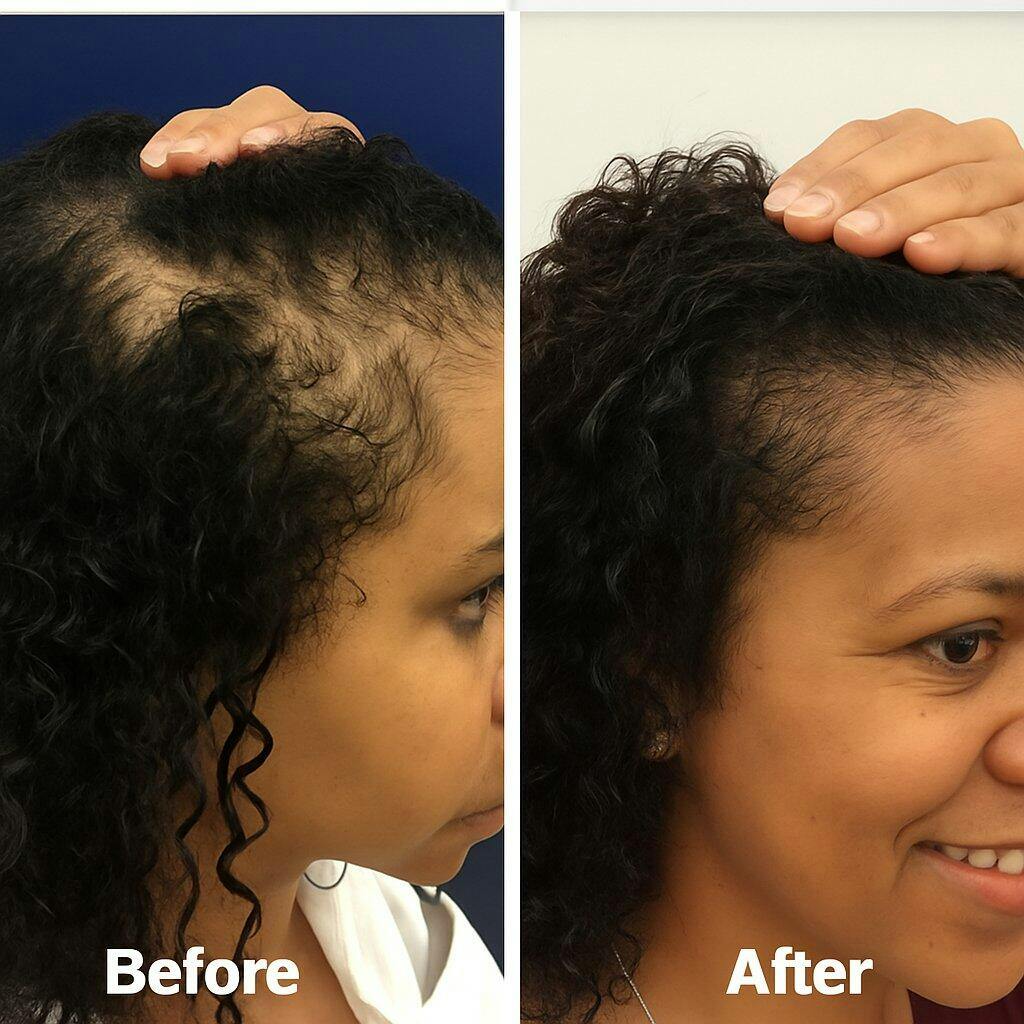
Learn more: Jamaican Black Castor Oil for Alopecia Spots
Which Oil Is Best for Your Winter Scalp?
Each oil serves a different purpose.
|
Oil |
Best For |
|
Rosemary Oil |
Boosting circulation and reducing shedding |
|
Peppermint Oil |
Relieving itchiness and irritation |
|
Tea Tree Oil |
Clearing flakes and balancing scalp bacteria |
|
Jamaican Black Castor Oil |
Deep moisture and barrier repair |
Many people see the best results when combining these oils, since each supports scalp health in a different way.
How to Use Oils for a Winter Scalp Routine
Consistency matters more than quantity.
A simple winter scalp routine can help prevent dryness and irritation.
Recommended Routine
- Apply oil to the scalp 2–3 times per week
- Massage gently for 3–5 minutes
- Use pre-wash oiling before shampoo to prevent moisture loss
- Apply oil to a slightly damp scalp after washing to lock in hydration
For severe dryness, Jamaican Black Castor Oil can be used overnight once per week.
A Ready-to-Use Winter Scalp Solution
Blending oils can create a more balanced treatment.
Formulas that combine rosemary, peppermint, and nourishing carrier oils support circulation, soothe irritation, and protect the scalp barrier.
Seddy Hair Growth Oil combines rosemary, peppermint, caffeine, and botanical oils to support scalp circulation and hydration during colder months.
For deeper moisture, Seddy Jamaican Black Castor Oil helps restore hydration and strengthen hair through the winter season.
Frequently Asked Questions
1. Why does my scalp become dry and flaky in winter?
Winter scalp dryness happens because cold outdoor air and dry indoor heating reduce humidity, causing moisture to evaporate from the scalp faster than normal. When the scalp loses hydration, its protective barrier weakens, leading to tightness, irritation, and small white flakes.
2. Is winter scalp dryness the same as dandruff?
No. Winter dryness and dandruff are different conditions. Winter scalp dryness usually produces small white flakes caused by dehydration, while dandruff is linked to yeast overgrowth and often produces larger yellowish flakes with redness or irritation.
3. Which oils work best for a dry winter scalp?
The most effective oils for winter scalp care include rosemary oil, peppermint oil, tea tree oil, and Jamaican black castor oil. Rosemary stimulates circulation, peppermint soothes itchiness, tea tree reduces flakes and microbes, and Jamaican black castor oil provides deep hydration.
4. How often should I oil my scalp during winter?
Most people benefit from applying scalp oil two to three times per week during winter. Regular oiling helps restore moisture, support circulation to hair follicles, and prevent the dryness that often leads to flakes and breakage.
5. Can rosemary oil help reduce winter hair shedding?
Yes. Rosemary oil helps stimulate blood circulation to the scalp, which supports healthier hair follicles and encourages stronger growth. Improved circulation may also help reduce shedding that sometimes increases during colder months.
6. Does peppermint oil help with itchy scalp?
Peppermint oil can provide fast relief for itchy scalp because it contains menthol, which produces a cooling sensation and reduces inflammation. It also improves blood flow to the scalp, which can support healthier hair growth.
7. Is Jamaican black castor oil good for severe scalp dryness?
Yes. Jamaican black castor oil is rich in fatty acids that deeply hydrate the scalp and help repair the skin barrier. Its thick consistency seals moisture into the scalp, making it especially helpful for extremely dry or flaky winter scalp conditions.
8. What does tea tree oil do for the scalp?
Tea tree oil helps cleanse and rebalance the scalp because it has antifungal, antibacterial, and anti-inflammatory properties. It is especially helpful for reducing flakes, soothing irritation, and maintaining a healthier scalp environment.
9. Can these oils make my hair greasy?
When used in small amounts and applied directly to the scalp, these oils typically do not make hair greasy. The key is applying a few drops and massaging gently, rather than saturating the hair.
10. Can I combine rosemary, peppermint, tea tree, and castor oil?
Yes. Combining these oils can provide a more complete winter scalp treatment. Rosemary stimulates circulation, peppermint calms irritation, tea tree purifies the scalp, and Jamaican black castor oil delivers deep moisture.
11. How long does it take to see results from scalp oils?
Many people notice reduced itchiness and dryness within a few days to one week. Improvements in hair strength and growth may take four to six weeks of consistent use.
12. Should scalp oil be applied before or after washing hair?
Scalp oil can be used both ways. Applying oil before shampooing protects the scalp from dryness during washing, while applying oil after washing on slightly damp hair helps lock moisture into the scalp.