

Caffeine Oil for Thinning Edges: 90-Day Results

Caffeine Oil for Thinning Edges: 90-Day Results
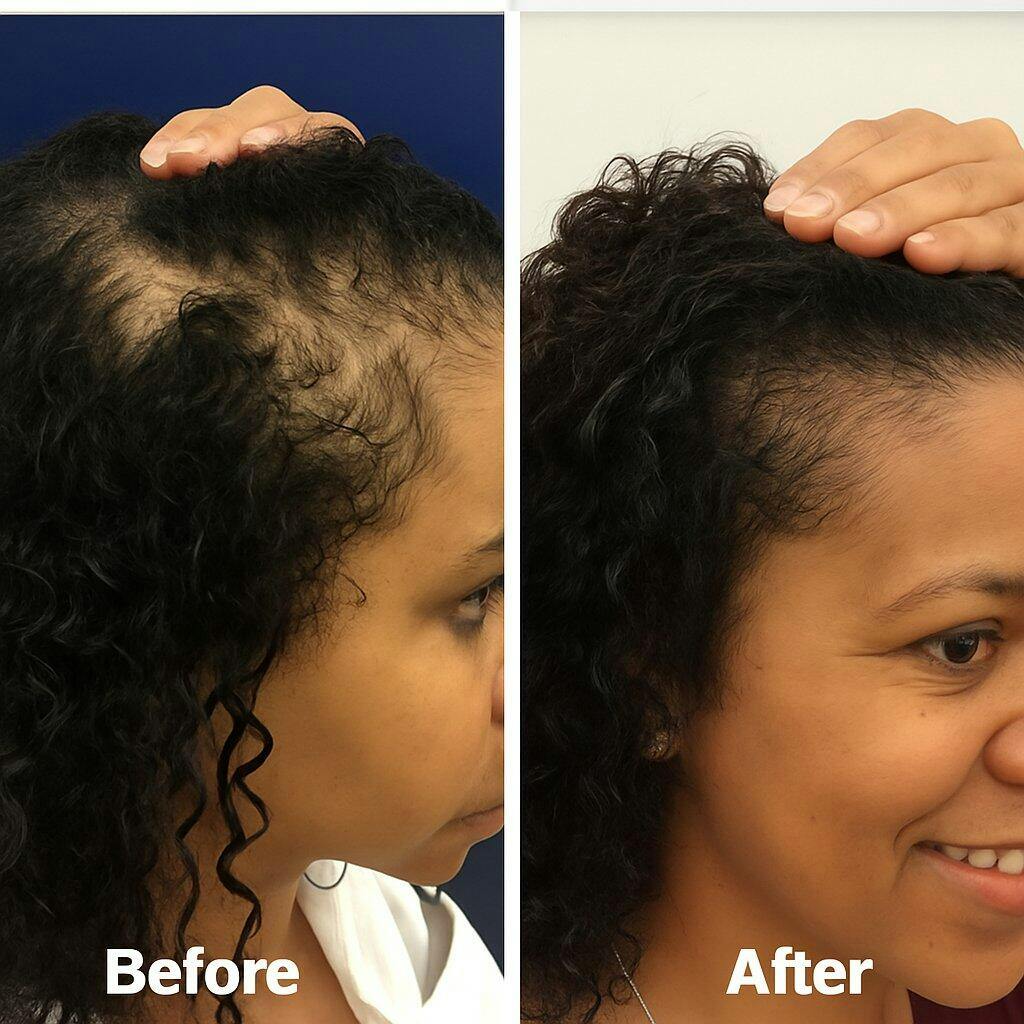
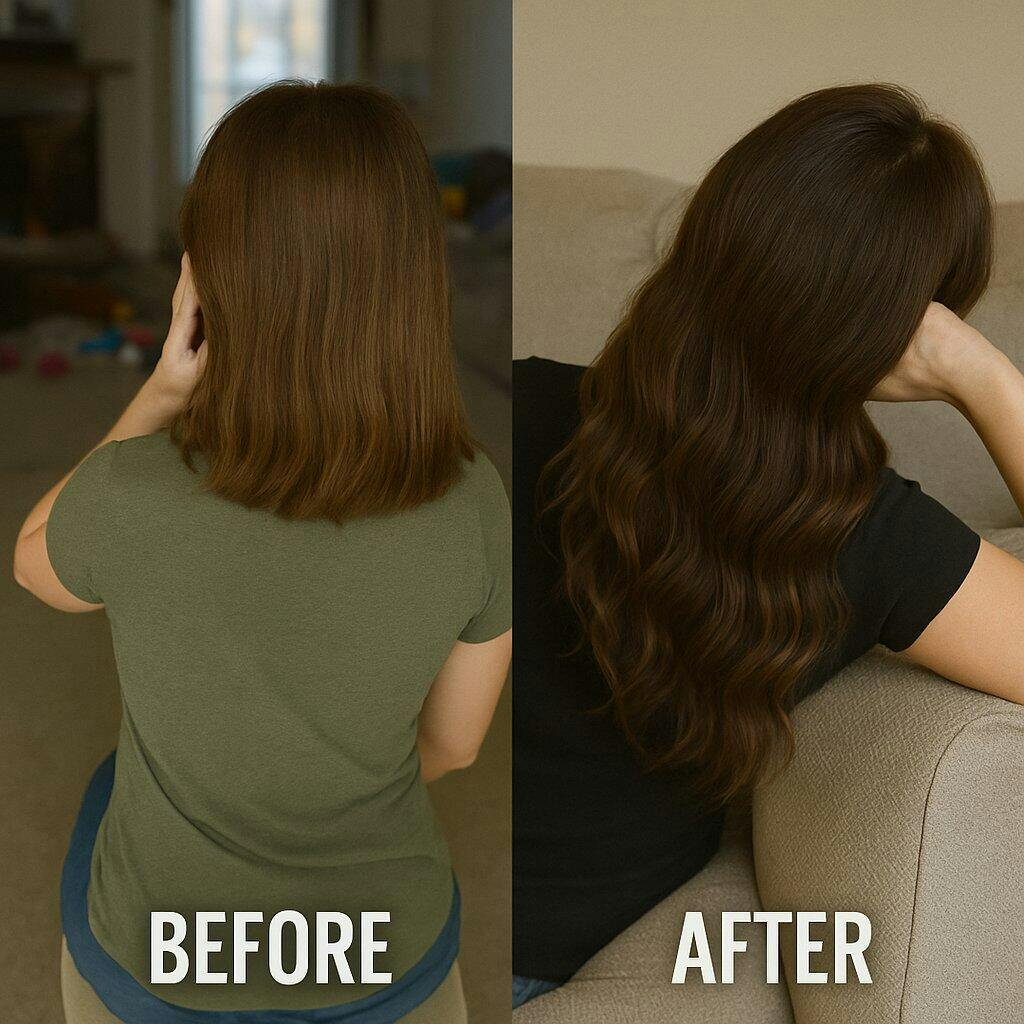
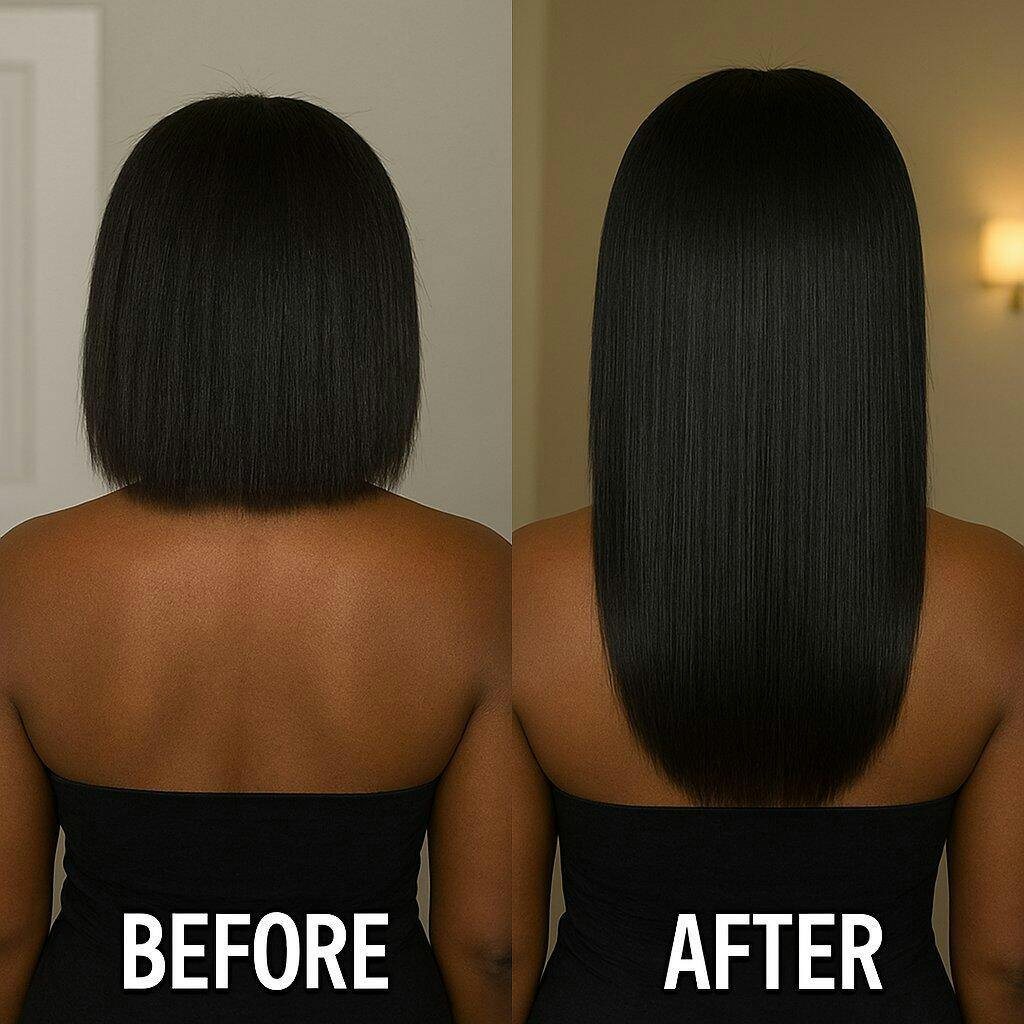
Caffeine hair oil can support regrowth in thinning edges by stimulating follicles, improving circulation, and reducing breakage. Many people notice less shedding within 6–8 weeks and visible regrowth by 12 weeks — but results depend on consistent use, reduced tension, and whether follicles are still active.
Who This Article Is For
This guide is for people who:
- Notice thinning or fragile edges
- Experience breakage around the hairline
- Have traction damage from styling
- Feel their edges “won’t grow back”
- Want realistic regrowth timelines
It’s especially helpful if you’re trying caffeine oil and wondering what progress should actually look like over time.
Why Edges Thin Faster Than Other Areas
Edges are biologically and mechanically different from the rest of the scalp.
1. Finer follicles
Hairline follicles are naturally smaller and produce thinner strands, which makes them more sensitive to stress.
2. Constant tension exposure
Edges absorb the force of:
- Braids
- ponytails
- wigs
- glue
- gels
- edge brushes
Even “protective styles” often stress the hairline most.
3. Friction and dryness
Edges rub against:
- pillows
- scarves
- hats
- hands
- sweat buildup
This creates a cycle of micro-breakage + inflammation.
4. Reduced blood circulation
Because the hairline is at the scalp’s edge, it often receives less circulation than the crown — meaning nutrients arrive more slowly.
This is why edges are usually:
- First to thin
- Last to regrow
- Most dependent on scalp stimulation
How Caffeine Supports Edge Regrowth
Caffeine works on follicles differently than oils that only moisturize.
1. Stimulates follicle energy production
Caffeine can increase activity in follicle cells, helping dormant follicles re-enter the growth phase.
2. Improves micro-circulation
Better blood flow delivers oxygen and nutrients needed for strand formation.
3. Extends the growth phase
Caffeine may help prolong the anagen (growth) stage, which increases length retention.
4. Strengthens emerging strands
When new hair grows, caffeine-supported follicles often produce stronger, thicker strands.
For edges affected by breakage rather than permanent loss, this makes caffeine especially useful.

What Progress Looks Like Over 90 Days
Hair rarely regrows suddenly.
Instead, it improves in predictable phases.
Days 1–30: Resetting the Scalp Environment
What’s happening internally
- Reduced inflammation
- Improved circulation
- Follicles receiving nutrients again
- Less breakage at root level
What you may notice
- Less itching or tightness
- Softer hairline texture
- Reduced snapping during styling
- Baby hairs feel smoother
What you won’t see yet
- Visible regrowth
- Thickness changes
- New density
This phase builds the foundation for future growth.
Days 31–60: Follicles Reactivate
This is where progress begins to show.
Internally
- Dormant follicles start producing hair
- Growth phase lengthens
- Root strength improves
Visible changes
- Noticeably less shedding
- Hairline feels fuller when brushed back
- Fine, short regrowth appears
- Edges hold styles better
This is the stage where many people feel encouraged to continue.
Days 61–90: Visible Edge Recovery
By this point, consistent users often see measurable improvement.
What you may notice
- Clear regrowth along the hairline
- Improved density
- Better length retention
- Stronger baby hairs
- Reduced fragility
Edges may not be fully restored yet — but they usually look healthier and more stable.
Why Some People Don’t See Edge Results
Caffeine oils fail most often because of routine mistakes, not product failure.
1. Inconsistent application
Follicles respond to stimulation over time, not occasionally.
2. Applying oil to hair instead of scalp
Growth happens in follicles, not strands.
3. Continuing tight hairstyles
No treatment can overcome constant traction damage.
4. Stopping too early
Many users quit just before regrowth begins.
5. Product buildup blocking follicles
Heavy oils, gels, or sweat can interfere with absorption.
Best Edge Application Technique
Step-by-step method
- Apply a small amount directly to the hairline
- Massage gently with fingertip (not nails)
- Avoid aggressive brushing afterward
- Use 4–5 times per week
- Pair with tension-free styling
Edges respond best to consistent, gentle stimulation.
Learn more: How Consistency with Hair Growth Oils Can Transform Your Hair
When Caffeine May Not Work for Edges
Caffeine helps many people, but not all hair loss is reversible.
It may not work if:
- Follicles are permanently damaged
- Scarring alopecia is present
- Traction continues daily
- The hairline has been inactive for years
In these cases, treatment must focus on stopping damage first.
Caffeine vs Other Edge Treatments
Caffeine vs Castor Oil
- Caffeine stimulates follicles
- Castor oil reduces breakage and inflammation
- Together they support both growth and retention
Caffeine vs Rosemary Oil
- Caffeine increases follicle energy
- Rosemary improves circulation and scalp balance
- Combined formulas often perform better than either alone
Caffeine vs Peptides or Serums
- Caffeine is natural and well-tolerated
- Serums may work faster but can irritate sensitive edges
- Oils often suit long-term routines better
This is why many effective regrowth routines combine multiple supportive ingredients.
Learn more: How to Use Caffeine Hair Oils for Maximum Growth
Supporting Habits That Speed Edge Recovery
Hair regrowth improves dramatically when routine changes support follicles.
Helpful habits
- Reduce tension styles
- Sleep on satin or silk
- Keep scalp clean but not dry
- Avoid heavy buildup
- Maintain a consistent schedule
Growth is rarely caused by one product alone — it’s the routine around it.
How a Targeted Edge Routine Helps
A consistent routine combining stimulation, nourishment, and protection often produces the best results.
For example, oils that combine:
- caffeine for follicle activity
- rosemary for circulation
- peppermint for stimulation
- castor oil for strength
- jojoba or argan for scalp balance
can support both regrowth and retention.
This is why many people prefer multi-ingredient growth oils designed specifically for scalp health rather than single-ingredient solutions.

Frequently Asked Questions
1. Can caffeine regrow thinning edges?
Yes, if follicles are still active and damage is not permanent.
2. How long before edges grow back?
Most people see visible regrowth within 8–12 weeks.
3. Should caffeine oil be used daily?
4–5 times weekly is usually ideal.
4. Can caffeine thicken baby hairs?
Yes, over time follicles may produce stronger strands.
5. Does shedding reduce before regrowth?
Yes, reduced shedding often happens first.
6. Can I style my hair while regrowing edges?
Yes, but avoid tension or tight pulling.
7. Is tingling from peppermint safe?
Mild tingling is normal in balanced formulas.
8. Can caffeine fix traction alopecia?
Only if traction stops and follicles are still viable.
9. Do edges grow slower than crown hair?
Yes, edges are more delicate and sensitive.
10. What is the biggest mistake people make?
Stopping treatment too early.
Conclusion
Caffeine hair oil can support meaningful improvement in thinning edges, but results follow a predictable timeline rather than appearing instantly. Most people notice reduced shedding first, followed by fine regrowth and improved density by the 90-day mark.
Consistency, scalp care, and reduced tension matter just as much as the product itself. When follicles are still active and routine changes support them, edge recovery is not only possible — it’s common.