

Peppermint vs Rosemary Oil for Hair Growth: Which Works Better?

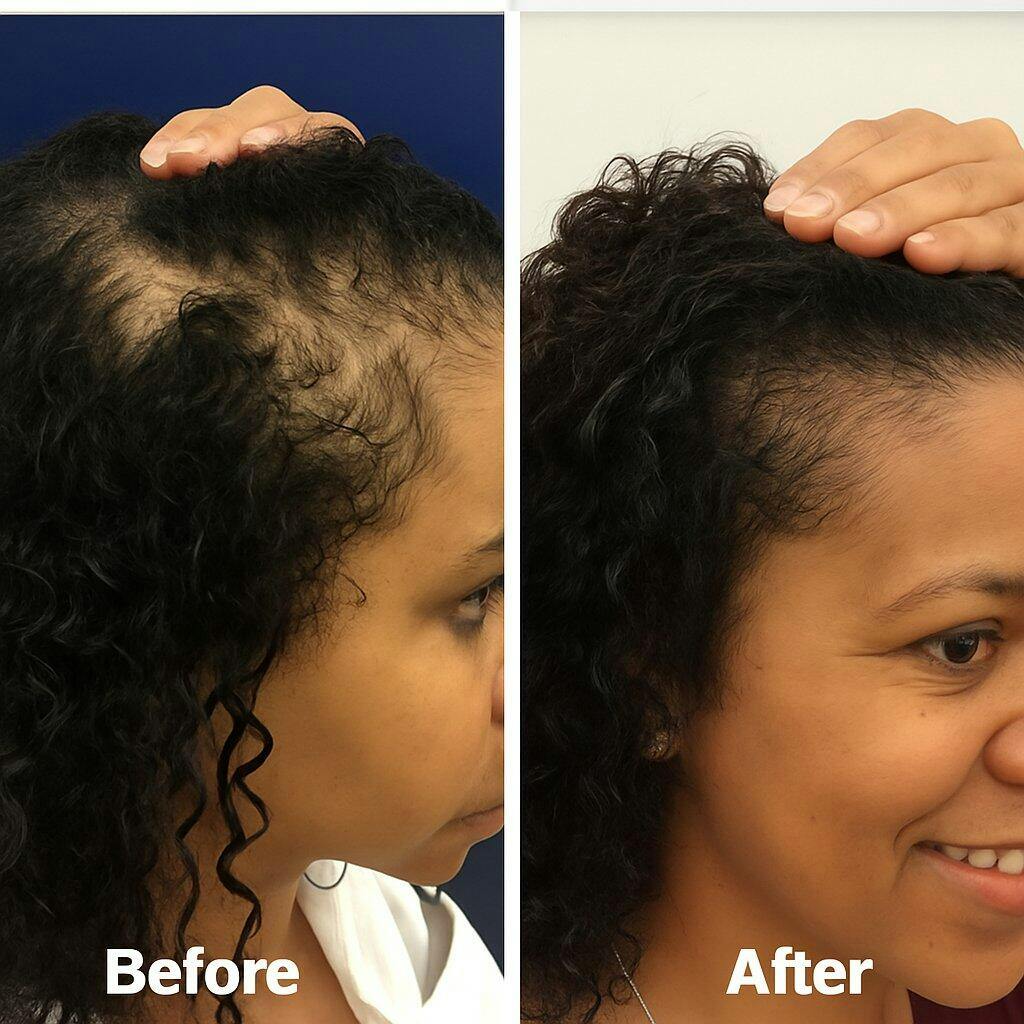
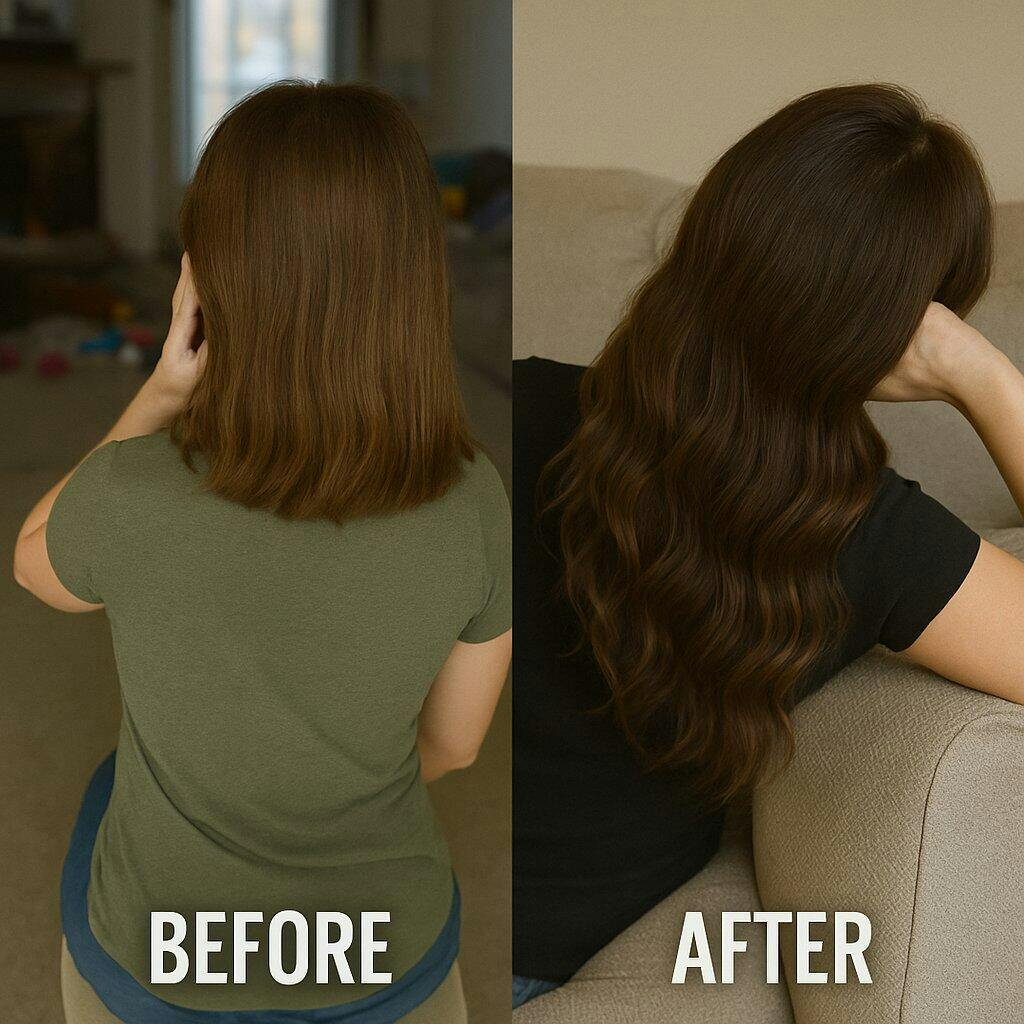
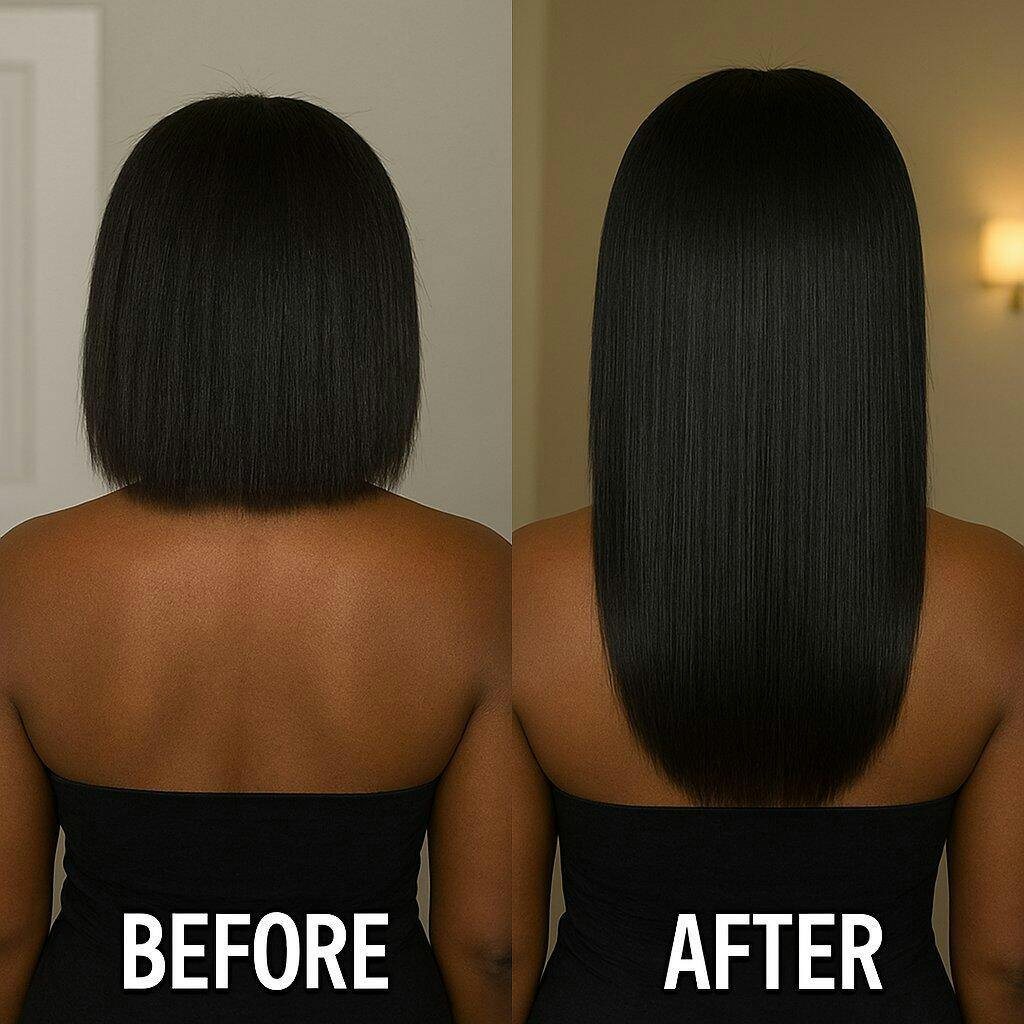
Rosemary oil helps improve hair growth by supporting follicle activity and reducing shedding, while peppermint oil boosts circulation and improves the scalp environment. Rosemary works best for thinning and hair loss patterns, while peppermint helps slow growth caused by inflammation or poor blood flow. The best option depends on what’s blocking growth.
Who This Article Is For
This guide is for people who:
- Feel their hair growth has slowed or stalled
- Notice increased shedding or thinning
- Want a natural oil to support stronger growth
- Are deciding between rosemary oil and peppermint oil
- Want a routine that actually supports follicles long-term
Many people switch oils repeatedly without understanding why their hair isn’t growing — which is why results stay inconsistent.
Why Rosemary and Peppermint Oil Are Often Compared
Both oils are widely known for scalp care and growth support.
Both appear in many hair oils, treatments, and DIY routines.
Both are associated with:
- Reduced shedding
- Stronger scalp health
- Improved growth conditions
But they support growth in different ways.
Understanding this difference is what turns a routine from random experimentation into something that actually works.
How Hair Growth Actually Happens
Hair growth depends on three key conditions:
- Active follicles
- Healthy scalp circulation
- Low inflammation and stress around follicles
If any one of these is disrupted, growth slows — even if you use good products.
Rosemary and peppermint help growth by targeting different parts of this process.
How Rosemary Oil Supports Hair Growth
1. Helps Extend the Growth Phase
Rosemary oil is often linked to improved follicle function.
It supports:
- Stronger growth cycles
- Reduced premature shedding
- Longer retention of existing strands
This is why rosemary oil is frequently used for thinning hair or early hair loss patterns.
2. Helps Reduce Follicle Stress
Hair follicles can weaken when:
- Scalp tension is high
- Inflammation persists
- Nutrient delivery is inconsistent
Rosemary oil helps stabilize this environment, which allows follicles to remain active longer.
3. Supports Hair Density Over Time
Rosemary oil doesn’t produce overnight results.
Instead, it works gradually by supporting the conditions follicles need to stay productive.
People often notice:
- Less shedding first
- Improved fullness later
- More consistent growth cycles over months
Learn more: The Science Behind Rosemary Oil for Hair Growth
How Peppermint Oil Supports Hair Growth
1. Improves Blood Flow to the Scalp
Peppermint oil’s cooling sensation comes from menthol, which stimulates circulation.
Better blood flow means:
- More oxygen reaching follicles
- Better nutrient delivery
- More consistent growth signals
Without circulation, follicles struggle to stay active.
2. Reduces Scalp Inflammation
Inflammation is one of the biggest hidden growth blockers.
Peppermint oil helps:
- Calm irritated scalp tissue
- Reduce follicle stress
- Improve comfort and scalp flexibility
When inflammation drops, follicles can function more consistently.
3. Helps Wake Up Sluggish Follicles
Peppermint oil is often helpful when growth slows because the scalp environment becomes tight, dry, or stressed.
It doesn’t directly change follicle genetics —
but it improves the conditions follicles need to operate well.
Learn more: Peppermint vs Tea Tree Oil for the Scalp
Rosemary vs Peppermint Oil: Direct Comparison
|
Feature |
Rosemary Oil |
Peppermint Oil |
|
Supports follicle activity |
✅ Strong |
⚠️ Indirect |
|
Improves circulation |
⚠️ Mild |
✅ Strong |
|
Helps reduce shedding |
✅ Yes |
⚠️ Sometimes |
|
Helps inflammation |
⚠️ Moderate |
✅ Strong |
|
Helps slow growth due to scalp issues |
⚠️ Somewhat |
✅ Yes |
|
Best for long-term density |
✅ Yes |
⚠️ Supportive |

Which Oil Is Better for Hair Growth?
The answer depends on why growth slowed.
Rosemary oil works best when:
- Hair is thinning gradually
- Shedding has increased
- Growth cycles seem shorter
- Density is declining
Peppermint oil works best when:
- Scalp feels tight or inflamed
- Growth slowed after stress or product buildup
- Itch or discomfort is present
- Circulation seems poor
In many cases, the most effective routines combine both.
When Results Usually Appear
Rosemary oil timelines
- Shedding reduction: 4–8 weeks
- Density improvement: 3–4 months
- Visible growth support: 4–6 months
Peppermint oil timelines
- Scalp comfort: within weeks
- Reduced inflammation: 2–4 weeks
- Growth consistency: 2–3 months
Consistency matters more than frequency.
Learn more: The Best Hair Growth Oil for Thinning Edges, Breakage & Faster Regrowth
Common Mistakes That Slow Results
Using Only One Type of Oil
Hair growth needs both:
- follicle support
- scalp environment support
Relying on just one may leave part of the problem unsolved.
Expecting Oils to Work Instantly
Hair growth happens slowly.
Oils improve conditions — they don’t override biology overnight.
Applying Oils Without a Routine
Even good oils work poorly if:
- buildup accumulates
- scalp isn’t cleansed
- hydration is inconsistent
Routine matters more than ingredients alone.
Why Many Growth Oils Combine Rosemary and Peppermint
Because they complement each other.
Rosemary supports follicle strength.
Peppermint improves circulation and comfort.
Together they address multiple growth factors at once, which is why many long-term scalp routines include both.
Blended oils that also include supportive ingredients like castor or jojoba often provide additional benefits because they help maintain moisture balance and protect the scalp barrier.

Frequently Asked Question
1. Which oil grows hair faster, rosemary or peppermint?
Neither works instantly. Rosemary helps long-term density, while peppermint improves the scalp environment.
2. Can I use both oils together?
Yes. Many routines combine them to support both follicles and circulation.
3. Does rosemary oil regrow hair?
It may help reduce shedding and improve growth cycles, but results vary by cause.
4. Does peppermint oil stimulate follicles?
Indirectly. It improves blood flow and reduces inflammation.
5. Which oil is better for thinning edges?
Rosemary often helps density, while peppermint helps if scalp tension or irritation is present.
6. How often should these oils be used?
Most routines use them several times per week, depending on scalp type.
7. Can rosemary oil cause irritation?
It can if undiluted or overused.
8. Is peppermint oil safe for sensitive scalp?
Yes when diluted properly, but very strong formulas can feel intense.
9. How long before I see results?
Usually 2–4 months of consistent use.
10. Should oils replace other hair treatments?
No. They work best as part of a full scalp routine.
Hair growth depends on more than just one ingredient.
Rosemary oil supports follicle strength, while peppermint oil improves the scalp environment those follicles rely on. When both factors are addressed together, growth tends to become more consistent, shedding often decreases, and the scalp becomes easier to maintain long-term.