

Jojoba Oil for Hair Growth: How It Balances the Scalp for Better Growth

Does Jojoba Oil Help Hair Growth?
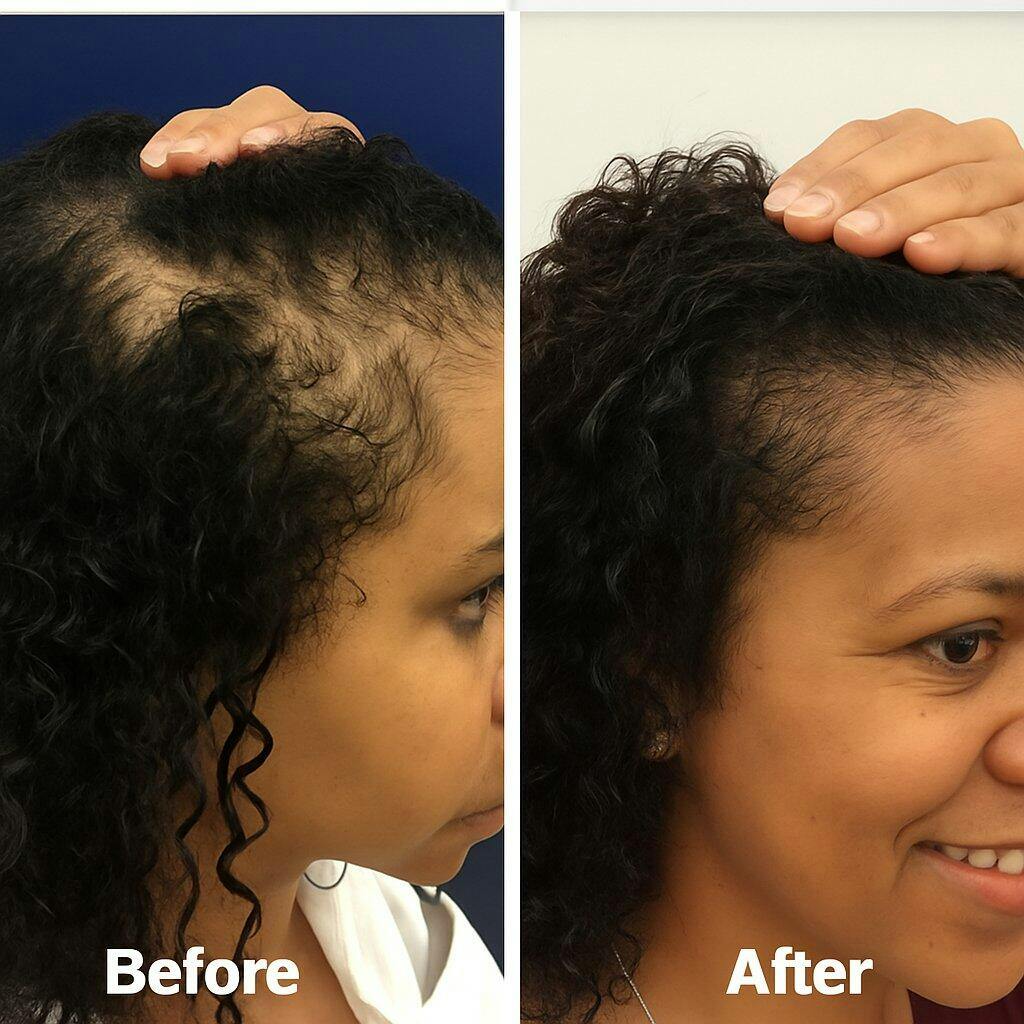
Jojoba oil supports hair growth by balancing the scalp’s natural oil production, dissolving buildup, and keeping follicles clear. While it does not directly stimulate new growth, it creates the conditions follicles need to function properly — leading to more consistent growth, reduced shedding, and healthier-looking hair over time.
Jojoba Oil for Hair Growth: How It Balances the Scalp for Better Growth
Many people search for a single ingredient that magically makes hair grow faster.
But hair growth rarely improves because of one “miracle” oil.
Instead, it improves when the scalp environment becomes stable.
That is exactly where jojoba oil excels.
Rather than forcing follicles into overdrive, jojoba helps normalize the conditions that allow hair to grow naturally — something far more sustainable for long-term hair health.
Who This Article Is For
This guide is especially helpful if you:
- Struggle with an oily scalp that feels greasy hours after washing
- Experience buildup from styling products
- Notice inconsistent shedding
- Have fine hair that gets weighed down easily
- Deal with scalp sensitivity
- Want healthier growth without irritating actives
If your goal is stronger, more reliable growth, understanding scalp balance is essential.
Because growth doesn’t begin with strands.
It begins with the scalp.
Why Scalp Balance Matters More Than Most People Realize
Hair follicles are highly sensitive biological structures. Even small disruptions can interfere with the growth cycle.
When the scalp becomes too oily, sebum can harden inside follicles, debris accumulates, and growth slows.
When it becomes too dry, micro-inflammation increases, the scalp tightens, and breakage rises.
When it swings between both, follicles enter unstable growth phases.
This is why many dermatology experts describe the scalp as an extension of facial skin — requiring balance rather than overload.
Jojoba oil helps restore that equilibrium.

What Makes Jojoba Oil Different From Other Oils
Jojoba oil is technically not an oil — it is a liquid wax ester that closely resembles human sebum.
This similarity allows it to interact with the scalp in ways heavier oils cannot.
Key Advantages
- Intelligent Absorption: Instead of sitting on top of the skin, jojoba integrates into the scalp’s lipid barrier.
- Oil Regulation: When the scalp senses adequate moisture, it often produces less excess oil.
- Buildup Dissolving: Jojoba can soften hardened sebum that blocks follicles.
- Lightweight Protection: It supports the scalp barrier without suffocating it.
Think of jojoba less as a treatment — and more as a scalp regulator.
How Jojoba Oil Supports Follicle Function
Healthy follicles require oxygen, nutrient access, and minimal inflammation.
When follicles clog, they struggle to produce strong strands.
Jojoba helps maintain follicular clarity by:
- Preventing hardened oil plugs
- Supporting natural skin turnover
- Reducing environmental residue
- Maintaining softness in the scalp
Clear follicles are productive follicles — and productive follicles grow hair more reliably.
Learn more: Jojoba Oil Benefits
When Results Typically Appear
Jojoba oil is not a fast-acting stimulant — and that is actually a strength.
Expect gradual improvements.
Weeks 1–2: The scalp often feels calmer and less greasy.
Weeks 3–6: Buildup typically reduces and overall comfort improves.
Weeks 6–12: Shedding may stabilize as follicles function more consistently.
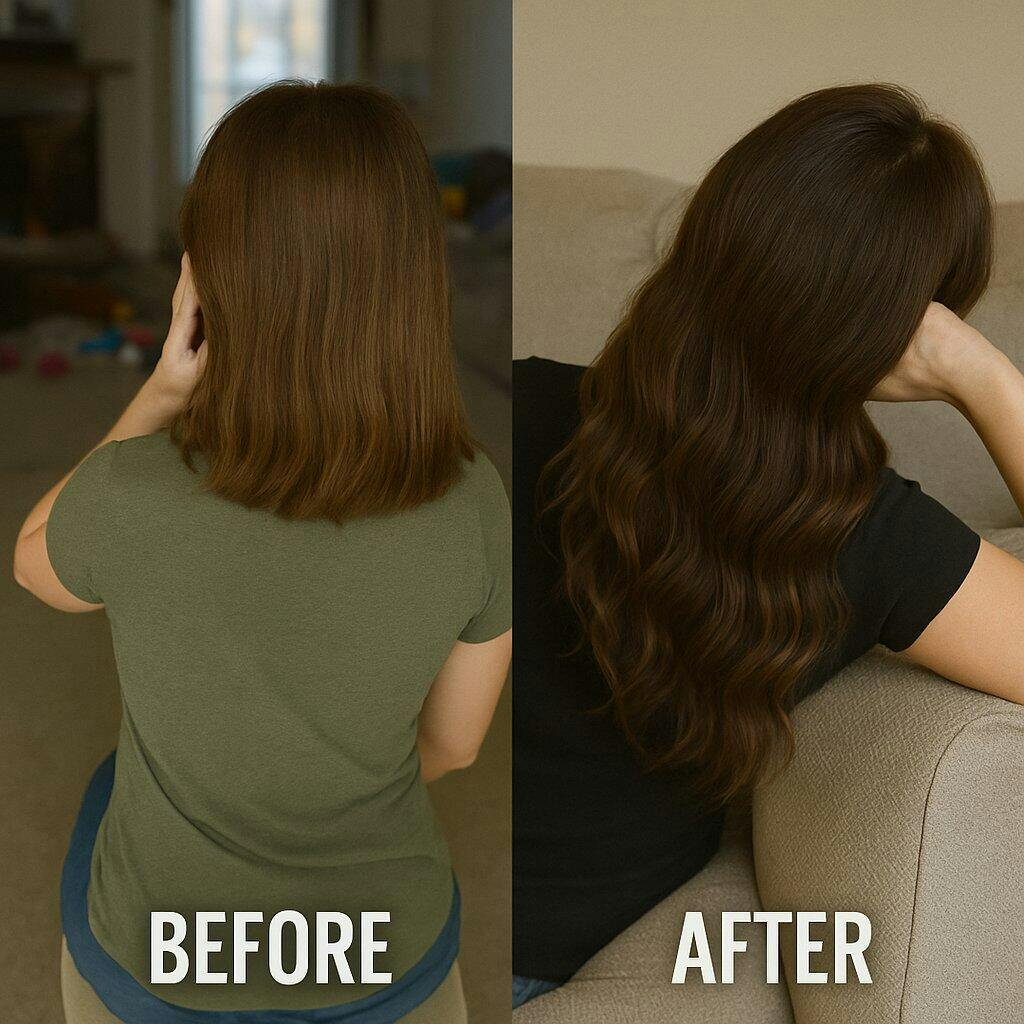
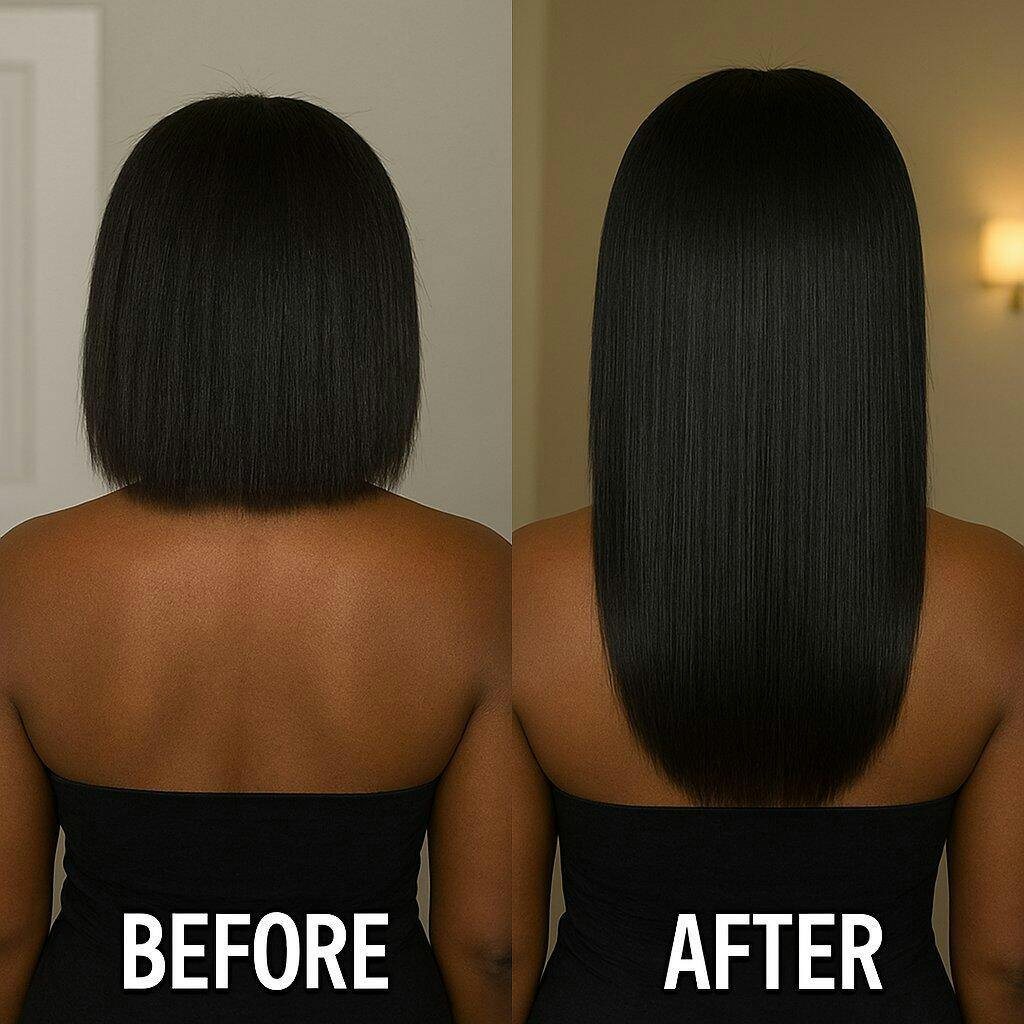
Beyond 3 months: Hair can appear fuller due to improved length retention.
Growth is slow — but stability creates visible change. Quick fixes rarely produce lasting results.
Jojoba Oil and Hair Shedding
Shedding is frequently blamed on slow growth, but many times the real issue is follicular stress.
Common triggers include clogged follicles, chronic irritation, oil imbalance, and product accumulation.
By maintaining equilibrium, jojoba removes several hidden shedding triggers — not dramatically, but meaningfully over time.

Why Jojoba Oil Is Ideal for Oily or Buildup-Prone Scalps
It may sound counterintuitive to apply oil to an oily scalp, yet jojoba often improves oil regulation.
When the scalp is stripped repeatedly, it compensates by producing more sebum.
Jojoba signals that hydration is present, encouraging the scalp to slow oil production.
This can reduce the cycle of overwashing → rebound oiliness → buildup → overwashing again.
Few oils perform this balancing act effectively.
Jojoba Oil vs Growth-Stimulating Oils
Understanding this distinction prevents unrealistic expectations.
|
Feature |
Jojoba Oil |
|
|
Primary Role |
Balances scalp |
Encourages follicle activity |
|
Speed |
Gradual |
Often faster |
|
Irritation Risk |
Very low |
Can be higher |
|
Best For |
Stability |
Activation |
The strongest routines use both.
Balance first. Stimulate second.
Learn more: Caffeine for Hair Growth: The Secret Ingredient You’re Missing
How Jojoba Oil Enhances Active Ingredients
When paired with proven actives:
- Penetration improves
- Irritation decreases
- Distribution becomes more even
- Results become more consistent
Jojoba helps powerful ingredients behave better.
Instead of overwhelming the scalp, the routine becomes sustainable — which is critical for long-term growth.
Because consistency beats intensity every time.
Common Mistakes That Reduce Results
Even excellent ingredients fail when misused.
Over-application: More oil does not equal more growth.
Using it as a miracle solution: It supports, not stimulates.
Expecting overnight density: Hair cycles require patience.
Ignoring scalp hygiene: Balance cannot exist on an unclean scalp.
Think routine — not rescue.
Who Jojoba Oil May Not Work For
Transparency builds trust.
Jojoba alone is unlikely to help if follicles are permanently damaged, hair loss is advanced, hormonal conditions are untreated, or medical causes are present.
It is a supportive ingredient — not a medical intervention.
Pairing it with targeted treatments often produces better outcomes.
Lightweight Oils vs Heavy Oils: Why It Matters for Growth
Heavy oils can create temporary shine but sometimes trap debris near follicles.
Lightweight oils like jojoba allow the scalp to function naturally.
This is particularly beneficial for fine hair, low-porosity hair, and sensitive scalps.
Long-term growth favors breathable environments — not suffocating ones.

How to Use Jojoba Oil for Growth Support
Consistency matters more than complexity.
Best practice:
- Apply a small amount directly to the scalp
- Massage gently to encourage circulation
- Use 2–4 times per week
- Avoid saturating the hair
For enhanced results, combine with growth-supportive actives.
Simple routines outperform elaborate ones.
A Smarter Growth Routine
Scalp balance creates the foundation for growth — but many people benefit from pairing balancing oils with ingredients known for supporting follicle activity.
Formulas that combine jojoba with caffeine, rosemary, and peppermint help address both sides of the growth equation:
- Stability
- Stimulation
This dual approach often leads to more predictable, long-term improvements compared to relying on a single oil.
The goal is not intensity — it is sustainability.
Learn More: The Best Hair Growth Oil for Thinning Edges, Breakage & Faster Regrowth

Frequently Asked Questions
Does jojoba oil make hair grow faster?
No — it supports the environment where growth occurs but does not directly accelerate follicles.
Is jojoba oil good for oily scalps?
Yes. It can help regulate sebum production and reduce greasy cycles.
Can jojoba oil unclog follicles?
It helps dissolve hardened buildup that may interfere with follicle function.
How often should jojoba oil be used?
Typically 2–4 times weekly, depending on scalp needs.
Is jojoba oil safe for sensitive scalps?
It is considered one of the gentlest scalp oils available.
Can I use jojoba oil daily?
Light application may work for some, but overuse should be avoided.
Is jojoba oil too lightweight for coarse hair?
Not necessarily — it pairs well with richer oils when additional moisture is needed.
Does jojoba reduce shedding?
It can reduce shedding linked to buildup or scalp imbalance.
Should jojoba be used alone?
Many people see better results when it is part of a broader growth routine.
How long before I see results?
Expect scalp improvements within weeks and visible hair benefits within a few months.
Jojoba oil may not be the flashiest ingredient in hair care — but it is one of the smartest.
Because real growth doesn’t begin with forcing follicles.
It begins by creating an environment where they can thrive naturally.
Balance the scalp… and growth often follows.