

Is Peppermint Oil Good for Hair Growth?

Is Peppermint Oil Good for Hair Growth?
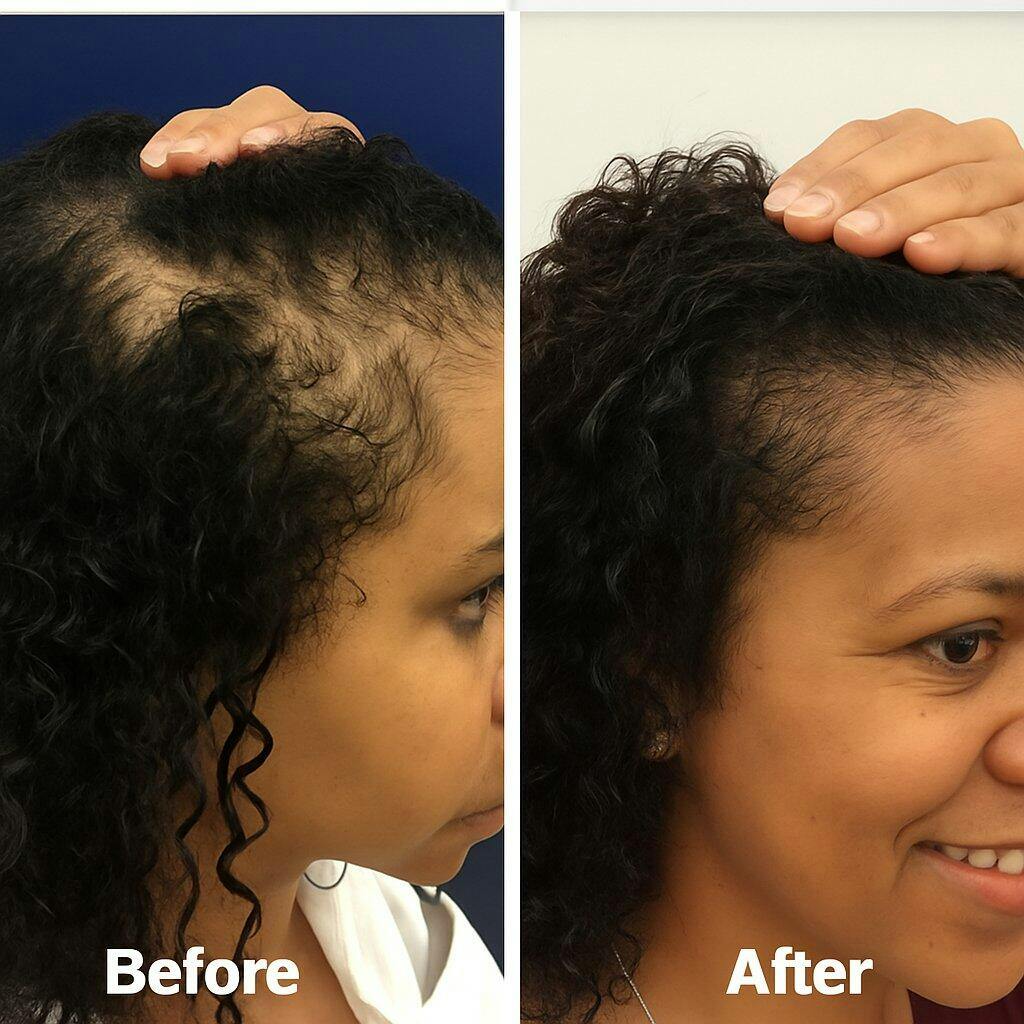
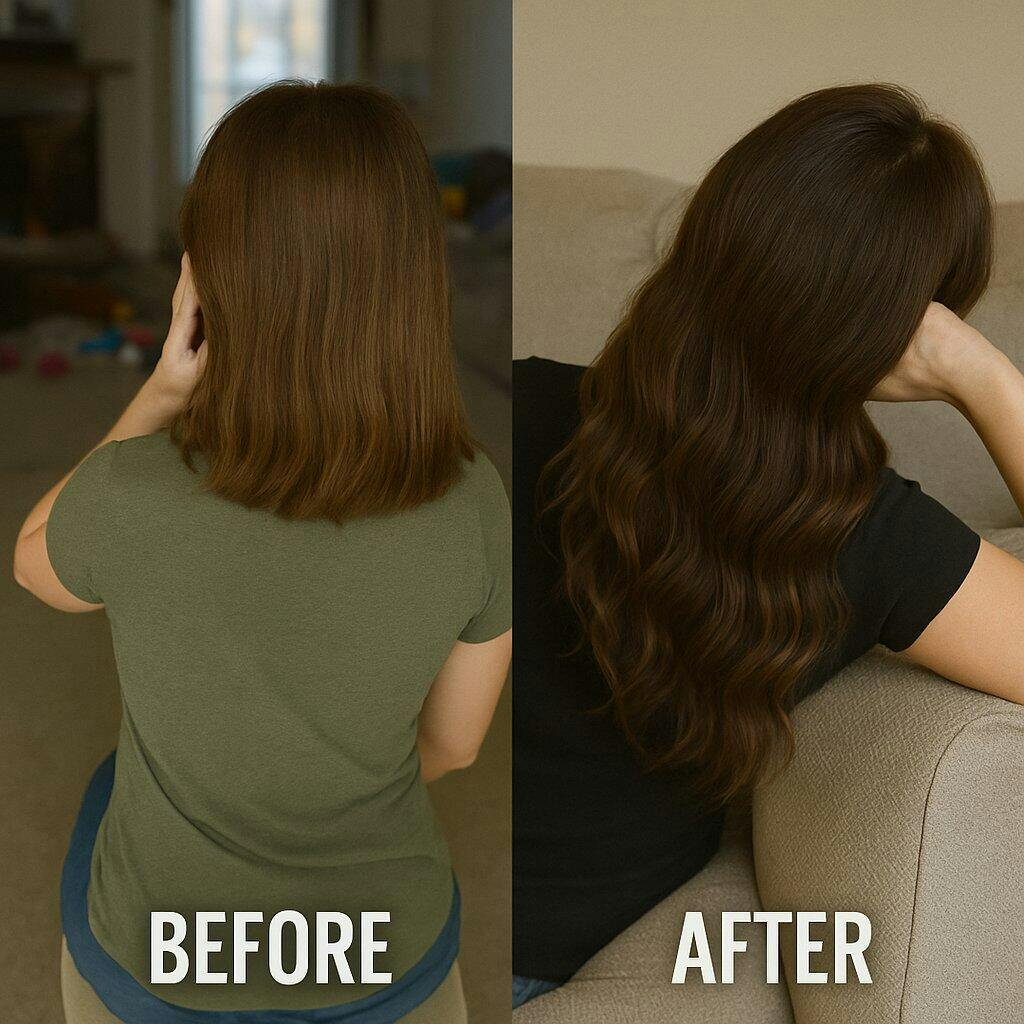
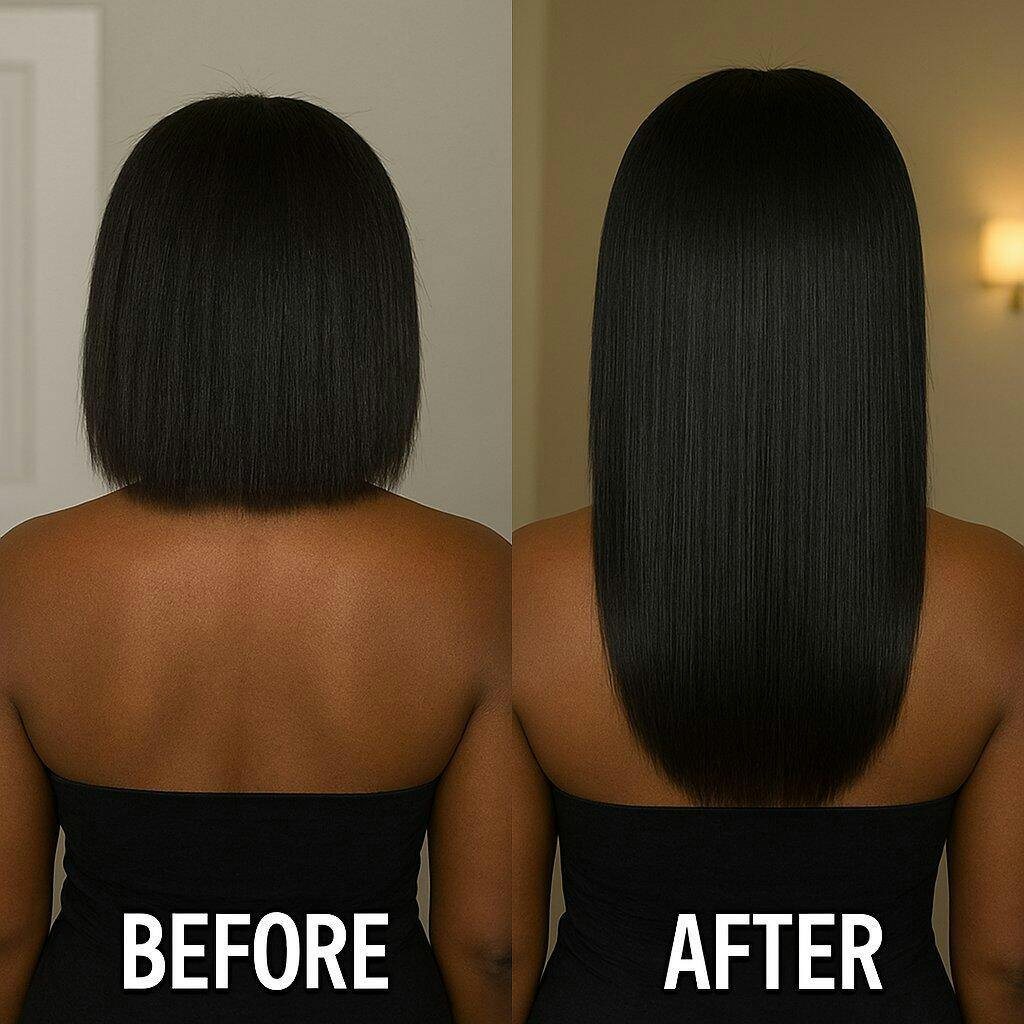
Peppermint oil may support hair growth by improving scalp circulation and creating healthier conditions for hair follicles. However, it does not create new follicles or change your natural growth rate. Results depend on consistent use, scalp health, and whether follicles are still active.
Many people try peppermint oil expecting instant regrowth, but hair growth depends on several biological factors. Understanding how peppermint oil works—and when it actually helps—can make the difference between a routine that produces results and one that doesn’t.
Who This Article Is For
This guide is designed for people who:
- Feel their hair growth has slowed or stalled
- Notice increased shedding or thinning areas
- Want to improve scalp circulation naturally
- Are deciding whether peppermint oil actually works
- Want to understand realistic expectations for hair growth oils
Many people switch between different oils hoping something will “trigger” faster hair growth. In reality, hair growth improves when the scalp environment and follicles are supported consistently over time.
Learn more: The Best Natural Hair Growth Oil Routine for Black Hair
How Hair Growth Actually Works
Hair grows through a repeating biological cycle that includes three main phases.
Anagen Phase (Growth Phase)
This phase can last 2–7 years depending on genetics and scalp health.
During this stage:
- hair follicles actively produce hair fibers
- cells divide rapidly in the follicle bulb
- blood supply nourishes the root
The longer this phase lasts, the longer hair can grow.
Catagen Phase (Transition Phase)
This short phase lasts about 2–3 weeks and signals the follicle to slow production.
Telogen Phase (Resting Phase)
Hair stops growing and eventually sheds before a new hair begins growing.
Normally 85–90% of hairs are in the growth phase, which is why healthy hair continues growing steadily.
When follicles become stressed or inflamed, more hairs shift into the shedding phase.

Why Peppermint Oil Is Popular for Hair Growth
Peppermint oil has become one of the most searched scalp treatments because it creates a cooling sensation and increased blood flow to the scalp.
Many users describe a tingling feeling when peppermint oil is applied. This sensation is caused by menthol, a natural compound in peppermint oil.
Menthol stimulates nerve endings and can temporarily increase blood circulation around hair follicles.
Better circulation helps deliver:
- oxygen
- nutrients
- cellular energy
to the follicle root.
This improved scalp environment may support stronger hair growth over time.
What Research Says About Peppermint Oil and Hair Growth
Scientific interest in peppermint oil increased after a 2014 animal study evaluated its effects on hair growth.
In that study, peppermint oil showed:
- increased follicle depth
- increased dermal thickness
- faster hair growth compared to control groups
The researchers suggested peppermint oil may stimulate follicles by improving circulation and activating growth-related pathways.
However, it is important to understand two limitations:
- The study was conducted on mice.
- Human hair growth cycles are longer and more complex.
Because of this, peppermint oil should be viewed as a supportive scalp treatment rather than a guaranteed hair regrowth solution.
Learn more: Peppermint vs Tea Tree Oil for the Scalp
How Peppermint Oil May Support Hair Growth
Peppermint oil can influence the scalp environment in several ways.
1. Improves Scalp Circulation
Hair follicles require a steady blood supply to remain active.
Peppermint oil can temporarily increase blood flow around the scalp, helping deliver nutrients that support follicle activity.
Better circulation may contribute to:
- healthier follicles
- reduced shedding
- improved growth conditions
2. Helps Reduce Scalp Inflammation
Inflammation around follicles can weaken hair growth and increase shedding.
Peppermint oil contains compounds that may help soothe irritated skin and support a healthier scalp barrier.
When inflammation decreases, follicles can remain active longer.
3. Supports Scalp Balance
Peppermint oil has mild antimicrobial properties that may help maintain a balanced scalp environment.
A healthier scalp environment can reduce:
- buildup
- irritation
- microbial imbalance
which may interfere with follicle health.

When Results From Peppermint Oil May Appear
Hair growth improvements take time because the hair cycle is slow.
Most people who use scalp oils consistently may notice:
4–6 weeks
- improved scalp comfort
- reduced dryness or irritation
6–10 weeks
- reduced shedding
- stronger hair strands
3–4 months
- visible improvements in thickness or density if follicles remain active
Hair typically grows about ½ inch per month, so visible length changes appear gradually.
Consistency matters more than the specific oil used.
How to Use Peppermint Oil for Hair Growth
Peppermint oil should always be diluted with a carrier oil before applying to the scalp.
Pure essential oils are highly concentrated and may irritate the skin.
Simple Scalp Oil Routine
- Mix peppermint oil with a carrier oil such as castor, jojoba, or coconut oil.
- Apply a small amount to the scalp.
- Massage gently for 2–3 minutes to stimulate circulation.
- Leave the oil on for several hours or overnight.
- Repeat 3–4 times per week.
Massage helps distribute oil evenly and encourages blood flow to the follicles.
Peppermint Oil vs Rosemary Oil for Hair Growth
Peppermint oil and rosemary oil are often compared because both are associated with scalp stimulation.
|
Feature |
Peppermint Oil |
Rosemary Oil |
|
Main Benefit |
Stimulates circulation |
Supports follicle activity |
|
Sensation |
Cooling / tingling |
Warm, mild stimulation |
|
Best For |
Slow growth due to poor circulation |
Thinning hair patterns |
|
Research Evidence |
Limited human studies |
Several clinical studies |
Both oils can support scalp health, but they work through slightly different mechanisms.
Many hair routines combine the two oils for complementary effects.
Learn more: Peppermint vs Rosemary Oil for Hair Growth: Which Works Better?
Common Mistakes When Using Peppermint Oil
Using Undiluted Oil
Pure essential oils can irritate the scalp. Always dilute peppermint oil before applying.
Expecting Instant Hair Growth
Hair growth occurs slowly. Oils support scalp health but cannot accelerate the natural hair cycle dramatically.
Inconsistent Use
Hair routines need several weeks of consistent application before meaningful improvements appear.
Ignoring Scalp Health
Oils work best when combined with:
- gentle cleansing
- reduced tension styles
- proper nutrition
When Peppermint Oil May Not Work
Peppermint oil cannot restore hair growth if follicles are permanently damaged.
It may be less effective for:
- long-term follicle scarring
- advanced androgenetic alopecia
- traction alopecia that destroyed follicles
In these cases, medical treatments may be required.
However, peppermint oil can still support overall scalp comfort and hair strength.
Building a Routine That Supports Hair Growth
Hair growth improves when several factors work together.
Key components include:
- consistent scalp care
- reduced inflammation
- improved circulation
- minimizing breakage
Oils can support this process by helping create a healthier environment for follicles.
Supporting Scalp Health With Hair Oils
Many hair oils combine multiple ingredients that support scalp function.
Ingredients commonly used in scalp treatments include:
- peppermint oil for circulation
- rosemary oil for follicle stimulation
- caffeine for follicle energy support
- castor oil for scalp conditioning
When used consistently, these oils help create conditions that support healthier hair growth.
Learn more about natural oils that support scalp health and hair density in related guides on hair growth routines and scalp care.

Frequently Asked Questions
Does peppermint oil actually grow hair?
Peppermint oil does not create new follicles or change the natural hair growth rate. It may support healthier scalp circulation and follicle activity.
How often should peppermint oil be used on the scalp?
Most routines apply peppermint oil three to four times per week as part of a scalp massage routine.
Can peppermint oil reduce hair shedding?
Peppermint oil may help reduce shedding by supporting scalp health and improving circulation around follicles.
How long should peppermint oil stay on the scalp?
It can remain on the scalp for several hours or overnight if diluted properly with a carrier oil.
Is peppermint oil safe for all hair types?
Peppermint oil can be used on most hair types, including curly, coily, straight, relaxed, and color-treated hair.
Can peppermint oil help thinning edges?
If follicles remain active, peppermint oil may support healthier growth conditions around thinning areas.
Can peppermint oil irritate the scalp?
Yes. Undiluted peppermint oil may cause irritation. Always mix it with a carrier oil before applying.
Does peppermint oil work better with other oils?
Many routines combine peppermint oil with rosemary or castor oil to support multiple aspects of scalp health.
Can peppermint oil help dandruff?
Peppermint oil may help soothe itching and support a balanced scalp environment.
Does peppermint oil make hair grow faster?
Peppermint oil does not accelerate the natural growth rate of hair, but it may support healthier follicles that grow hair more consistently.
The Bottom Line
Peppermint oil can support hair growth by improving scalp circulation and helping maintain a healthy follicle environment. While it cannot change the natural hair growth cycle or restore damaged follicles, consistent use may reduce shedding and improve overall hair health.
The most effective routines combine scalp stimulation, gentle care, and consistent application over time. When the scalp environment improves, hair follicles are more likely to remain active and produce stronger strands.